
Blog Posts
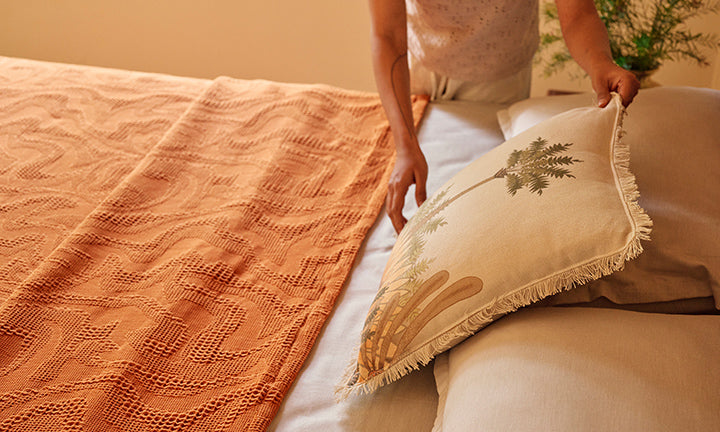
What Air Pollution Leaves Behind on Fabric
How urban air settles into the textiles around us Air pollution is usually discussed in terms of what we breathe. But the same air also moves through our homes, across balconies, into bedrooms and ...
Read more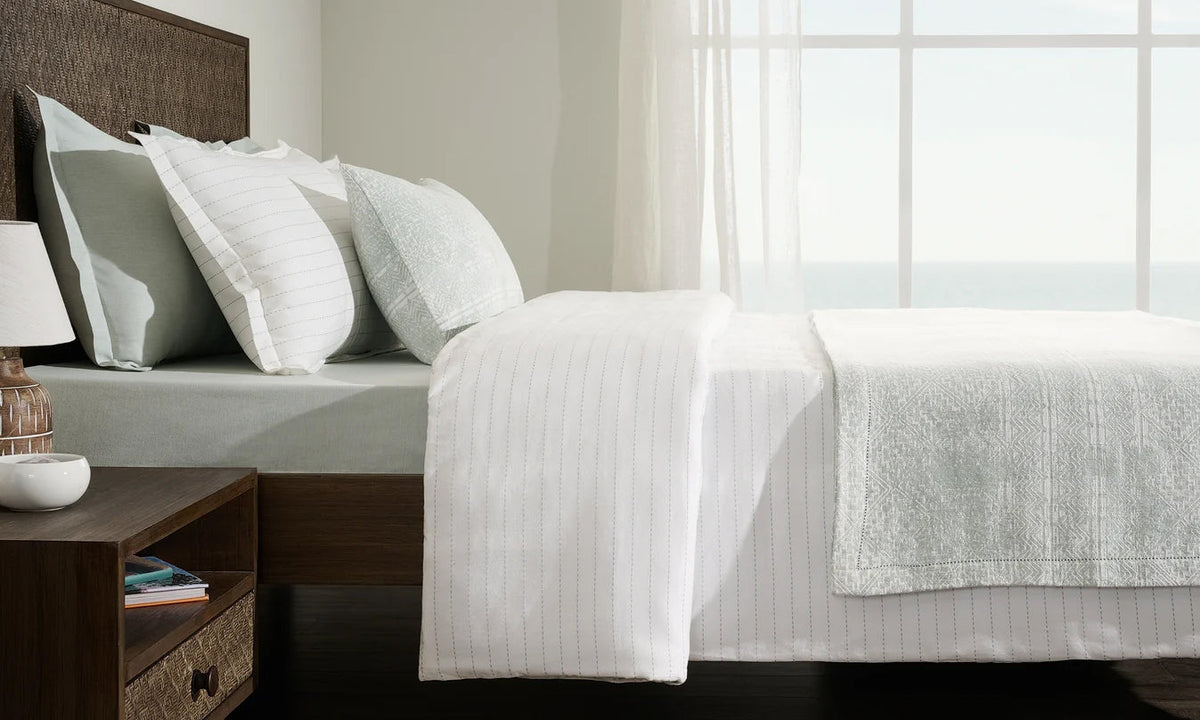
Why Bed Sizes Aren’t Universal
What ‘king’, ‘queen’ and ‘double’ actually tell us A king-size bed sounds like it should mean the same thing everywhere. It doesn’t. Single, double, queen and king are familiar names across countr...
Read more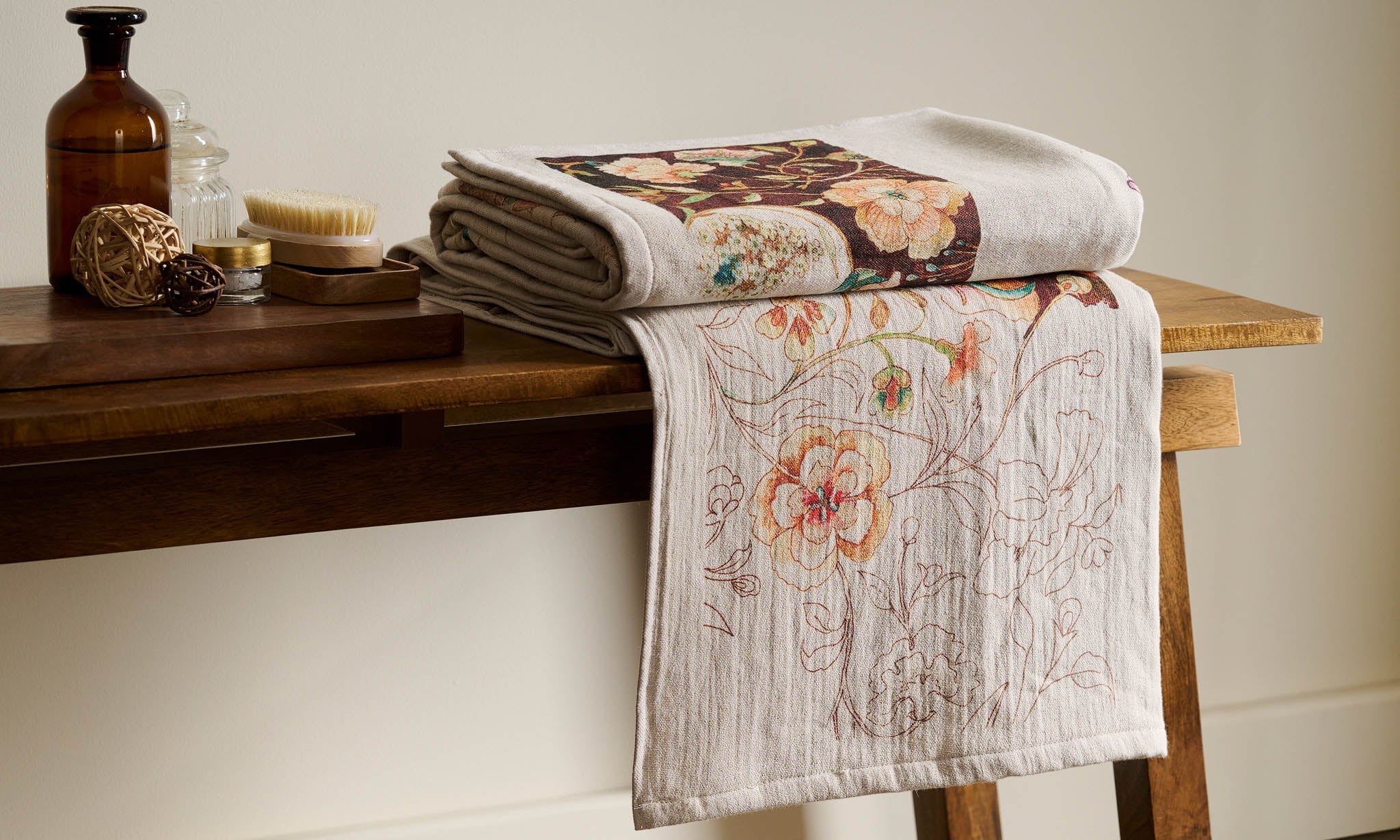
The Challenge of Photographing Fabric
How do you show something that is meant to be touched? Photographing fabric sounds simple. Lay it out, light it well, take the picture. But textiles are unusually difficult to translate onto a scre...
Read more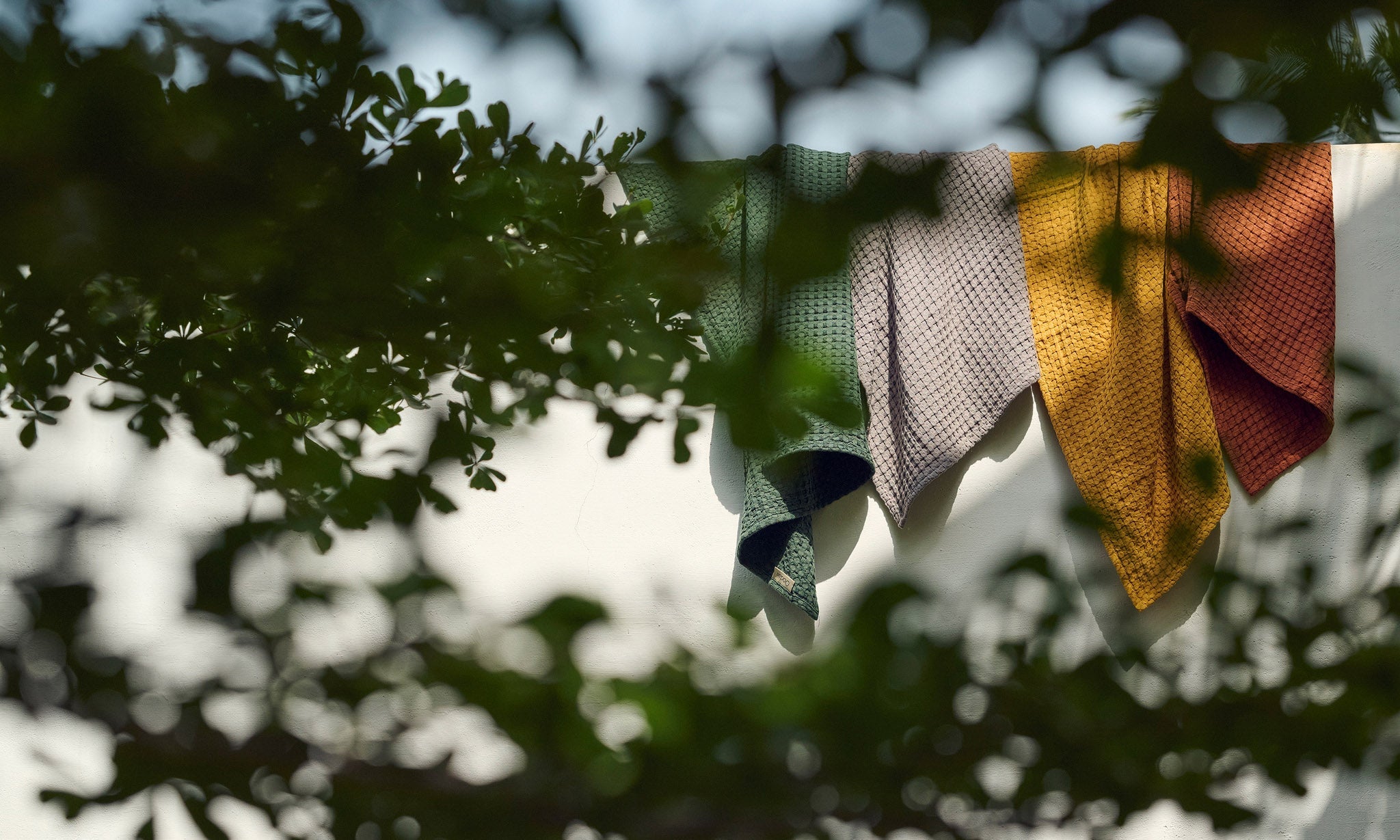
What the Washing Machine Did to Textiles
How one household machine changed what we expect from fabric The washing machine is so ordinary now that it is easy to think of it simply as a labour-saving device. Its effect on textiles went much...
Read more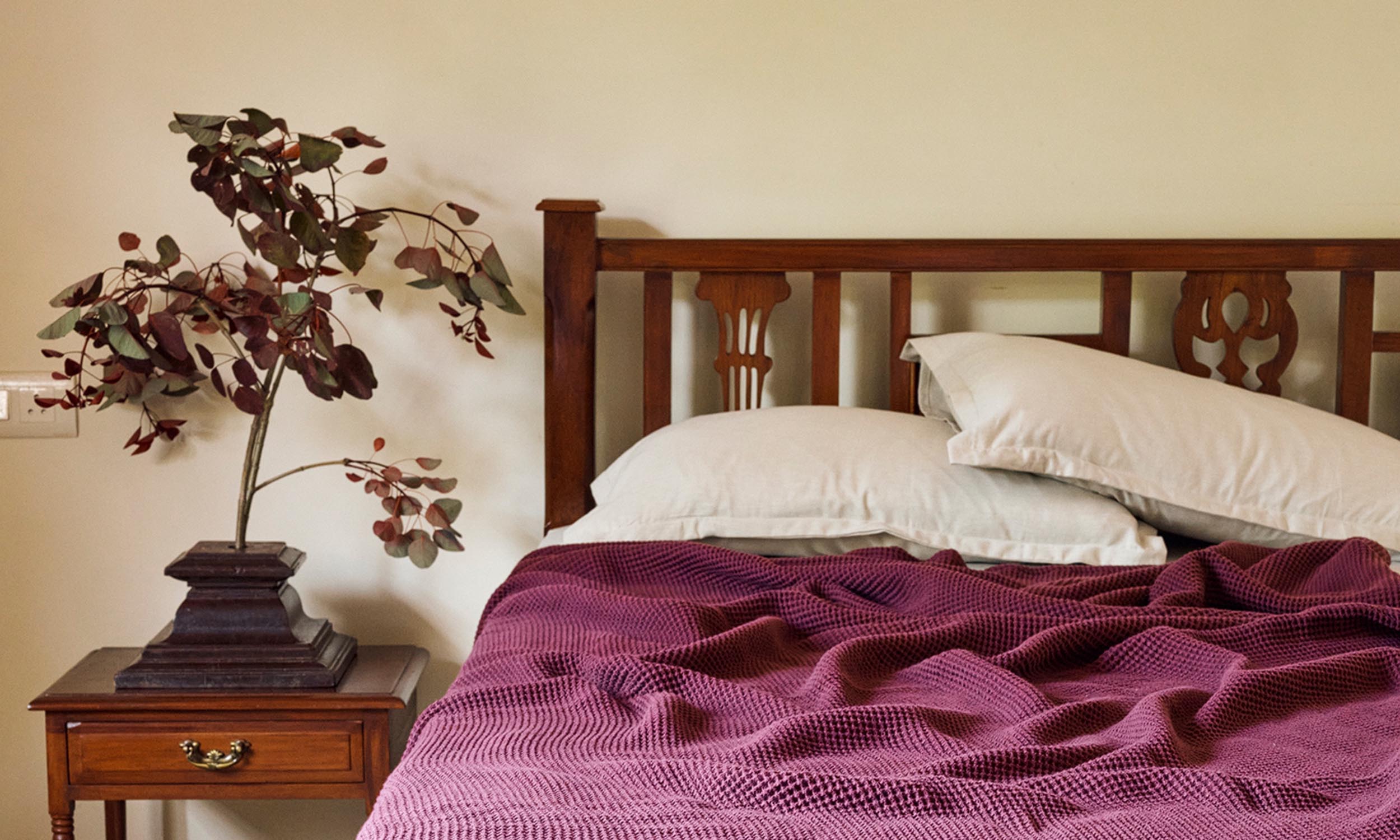
Why Everything Doesn't Have to Match
There was a time when homes were rarely bought all at once. A towel was replaced because it had worn out. A new set of cushions arrived after a trip. A bedspread was a wedding gift. Curtains stayed...
Read more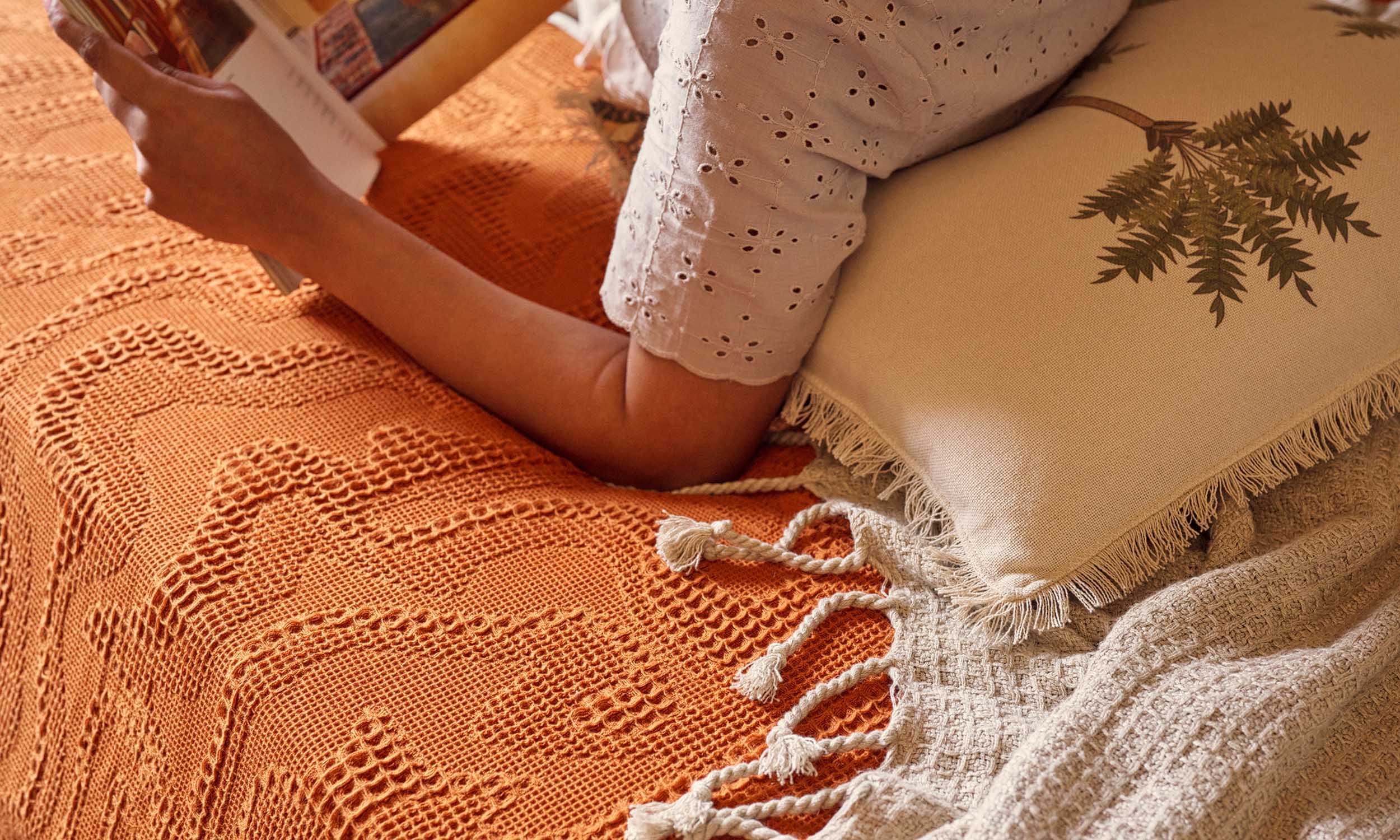
Every home has its own weather. A bathroom holds steam long after a shower. A bedroom changes with the direction of morning light. A balcony may be too hot at noon and perfect by evening. One corne...
Read more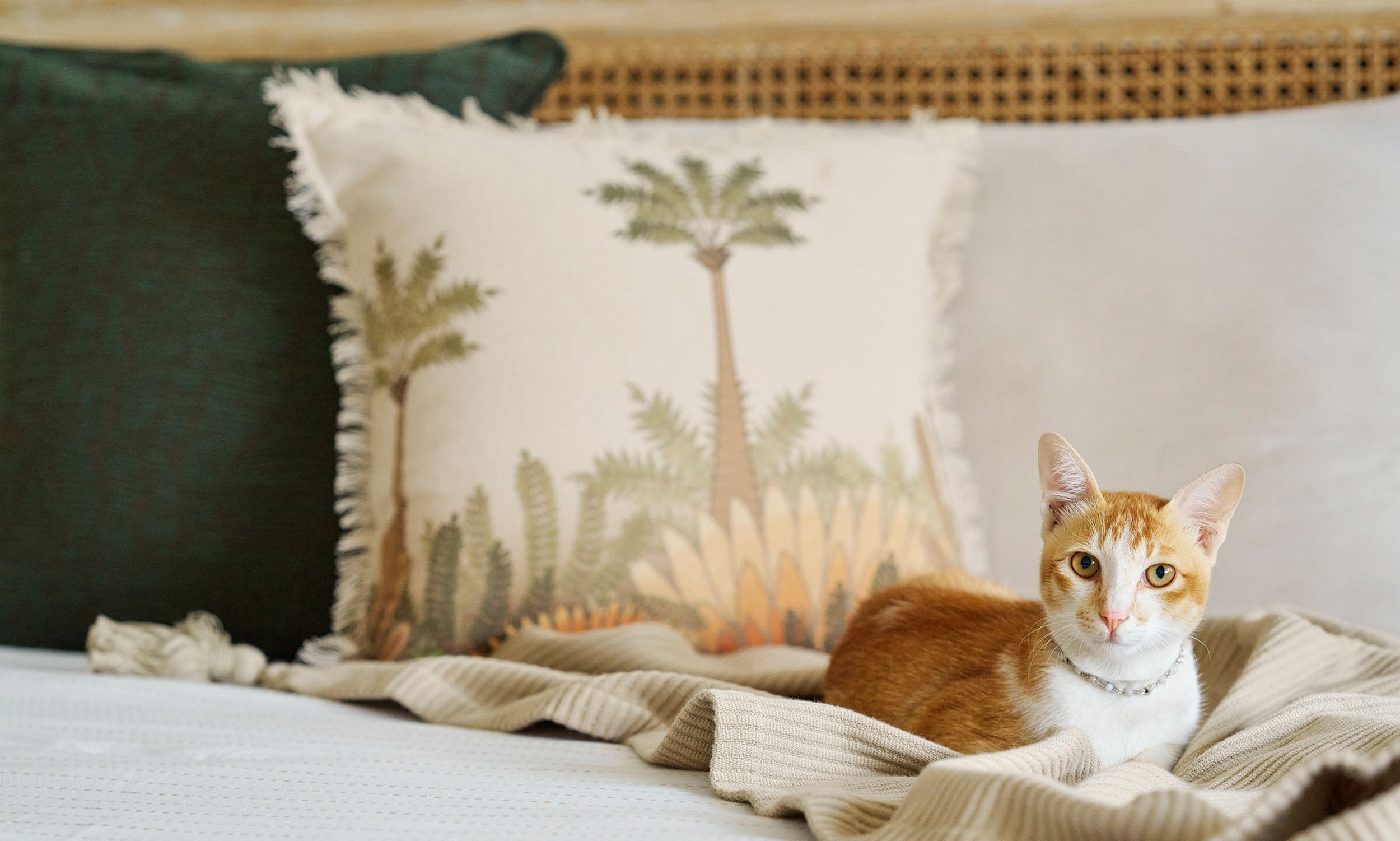
The Comfort of Familiar Disorder
Every home has a few arrangements that make sense only to the people who live there. A chair where clothes gather through the week. A tote that stays near the door. A bedside table crowded with wat...
Read more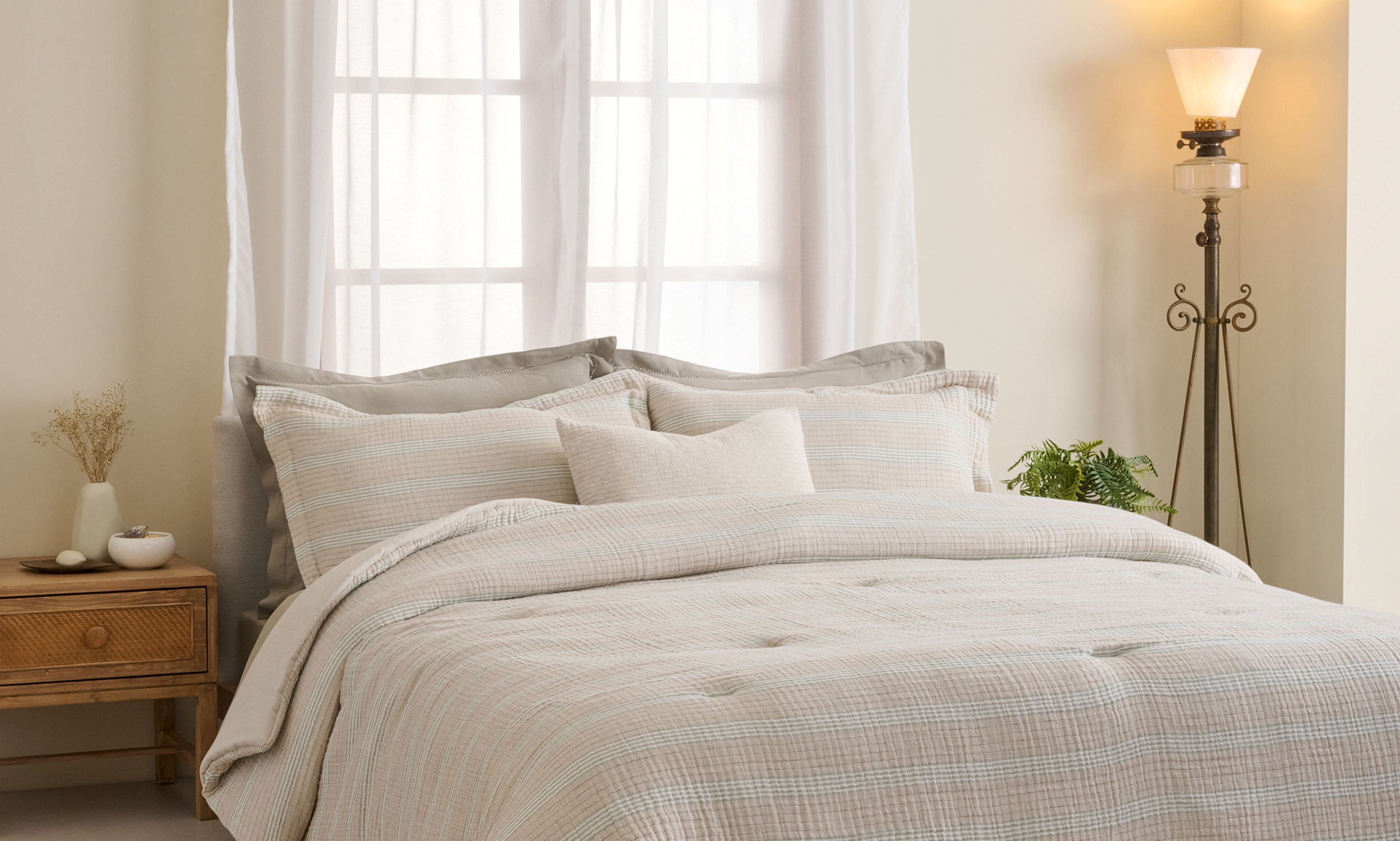
Colour can enter a fabric in more than one way. Sometimes, it sits on the surface as a print or finish. At other times, it begins much earlier, in the yarn itself, before the fabric is woven. This ...
Read more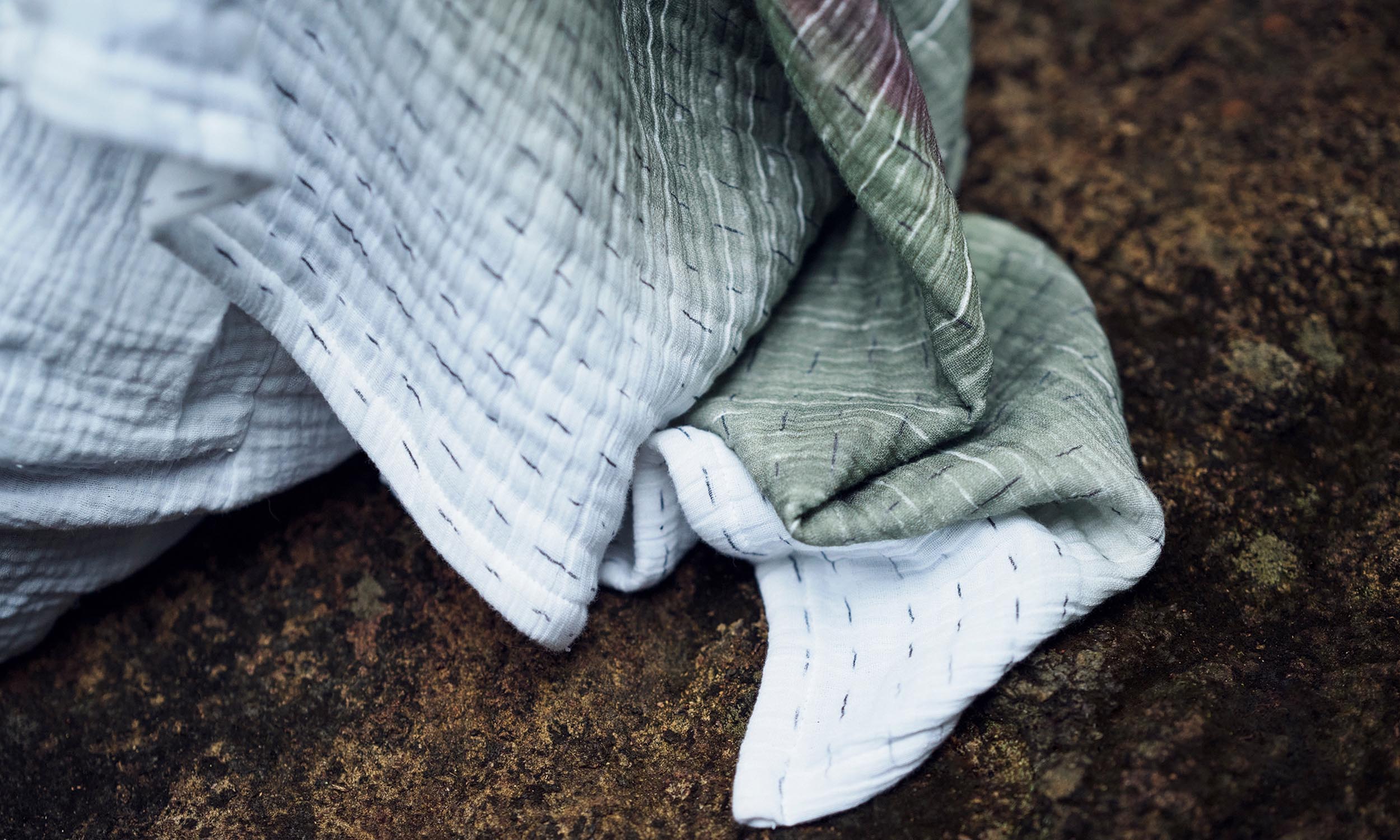
The Parts of Fabric We Never Pay Attention To When we look at a piece of fabric, we focus on what is most visible, such as the colour, surface, pattern, and first impression. What we rarely notice...
Read more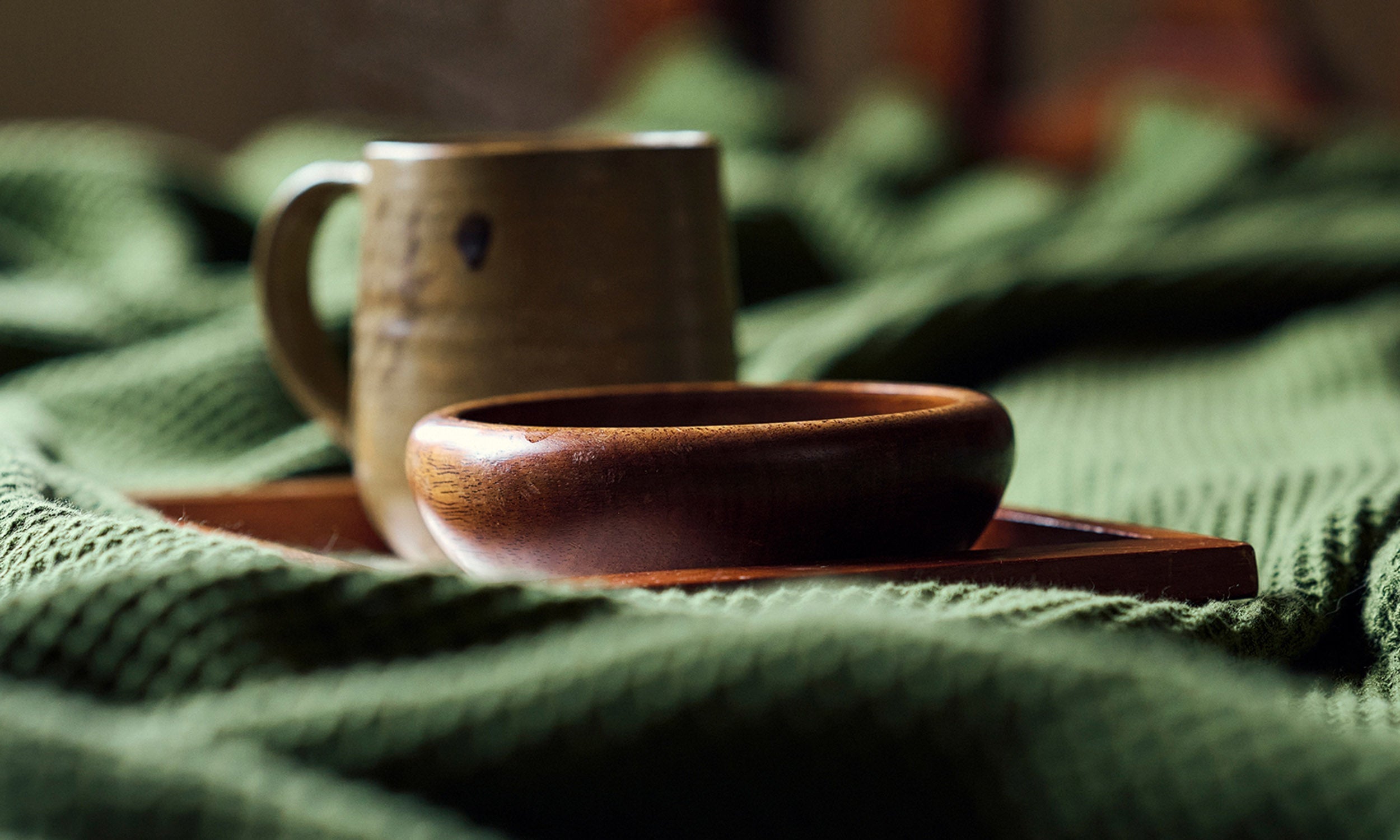
The Return of Personal Corners and Why they Matter.
Why Small, Defined Spaces Matter More Than Ever Homes today are doing more than they were designed for. Work happens where we once only relaxed. Meals move between the table, couch, and bed. Even ...
Read more