
The First Teachers of Touch: What Babies Learn Through Fabric
The earliest months of a child’s life are full of small discoveries. Most of them happen long before words arrive. Parents notice these changes more than anyone else. A newborn’s world is shaped almost entirely through touch, and cloth becomes one of the first materials they learn from. Swaddles, towels, blankets, and bibs appear in every routine, every room, and every transition.
These fabrics do more than keep a child warm or dry. They become the earliest way a baby understands comfort, familiarity, and the shape of the world around them.
Softness and Security

A baby settles more easily when wrapped in something soft. Their body relaxes when a gentle fabric brushes against their skin. At that age, they are still learning how to meet the world. Soft textiles help them feel held in small but significant ways. Over time, babies begin to recognise the difference. They sleep better in certain wraps. They calm down faster after a bath when placed in a towel they know. These early sensations create a quiet sense of trust.
Grip and Movement

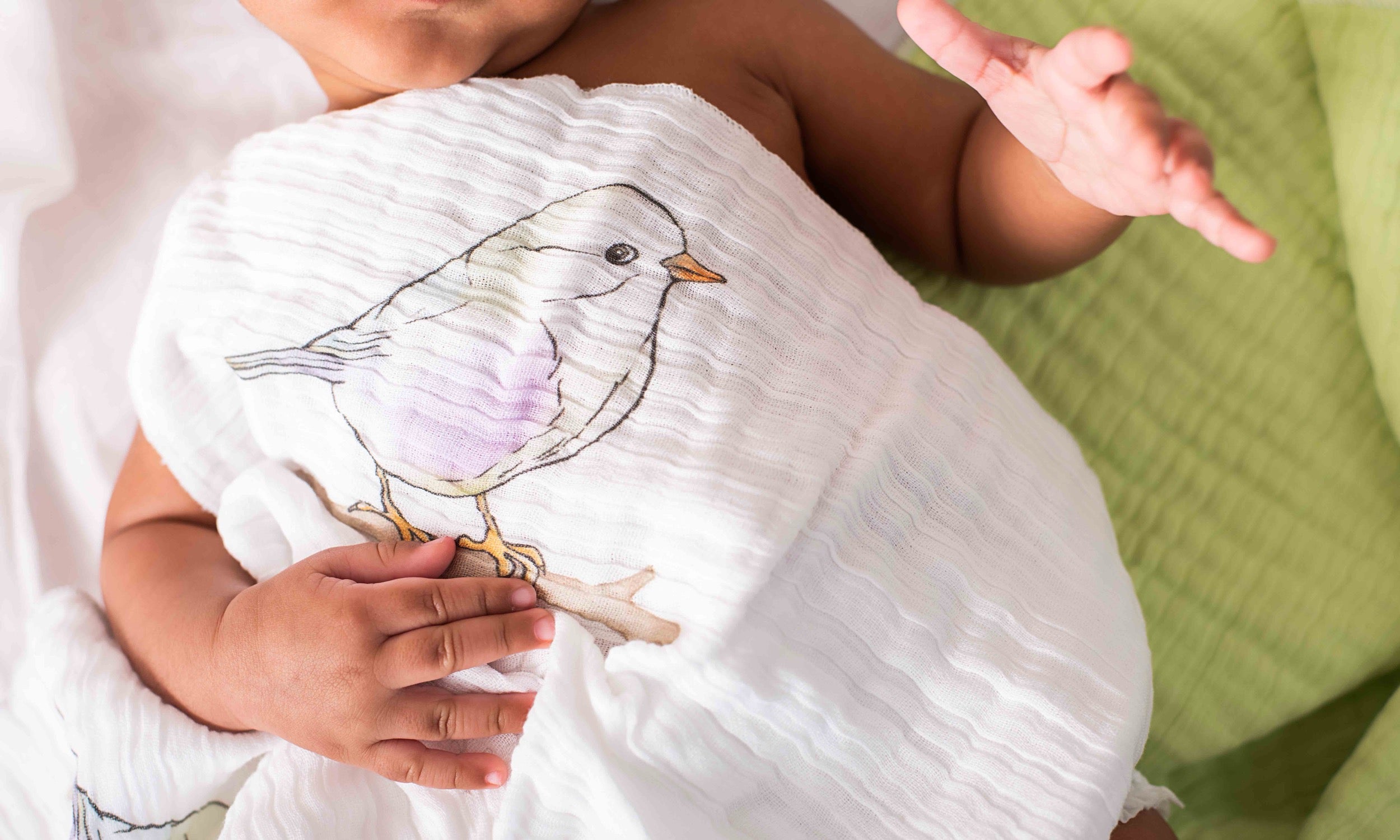
There is a moment every parent remembers. Tiny fingers close around a corner of cloth for the first time. It looks small, but it marks the beginning of intention. Babies learn grip, strength, and coordination by clutching blankets, tugging towels, and pressing fabric into their palms.
The way a fabric resists, or yields, teaches them more than we often realise. It helps them understand control, how their hands work, and how objects respond to touch.
Texture and Curiosity

A baby runs a hand across a woven surface or keeps returning to the same textured corner of a blanket. Texture sparks curiosity. A raised weave offers a different sensation from a smooth layer. A structured surface feels different from a softer one. These contrasts help babies make sense of the world without instruction.
It is their first form of exploration—a way of finding what feels familiar and what feels new.
Temperature and Comfort

Parents often learn to read their baby’s cues with impressive accuracy. Too warm, too cold, too much air, not enough. Fabrics help with that balancing act. A soft towel after a bath, a light blanket for a nap, or a breathable layer on a warm day teaches children about temperature through experience rather than explanation.
Cloth becomes a steady presence, something that adapts with them as they grow.
Daily Routines as Sensory Lessons

The rhythm of caring for a child includes cloth in many forms. Bath time, nap time, feeding, and the quiet pauses in between all involve some kind of fabric. These repeated interactions shape a child’s early sense of security. Over time, certain textiles become part of their emotional landscape. They do not need to be extraordinary. They simply need to be dependable.
Parents often see this with great clarity. A familiar fabric against the cheek helps a baby relax. A known towel after a bath eases them into a calmer state. These moments may seem small, but they often become the memories families hold on to.
Where Oodaii Fits Into This
At Oodaii, we carefully consider these early experiences. Parents are not only choosing products for their homes but also selecting the materials their children will learn from in the first years of life. The cotton gauze we use is light, breathable, and easy for small hands to grasp. You see this clearly in our baby bath towels. Its layers settle comfortably against the skin and give babies a soft surface to explore. Our aim is simple. Create textiles that feel good in the hands of both parents and children, and that settle naturally into the routines that shape family life.
When a baby learns through touch, the fabric in their hands matters. We keep that in mind when creating our products.

Leave a comment
This site is protected by hCaptcha and the hCaptcha Privacy Policy and Terms of Service apply.