The Mathematics of Weaving: How Patterns Follow Rules Older Than Writing
Long before numbers were recorded, people were already counting without realising it. Sequences, repetitions, and precise movements shaped some of the earliest textiles. Weaving became one of humanity’s first systems of structured logic — practised not on clay or stone, but on thread. Most of us see colour or texture when we look at cloth. A weaver sees order.
Rules Older Than Writing

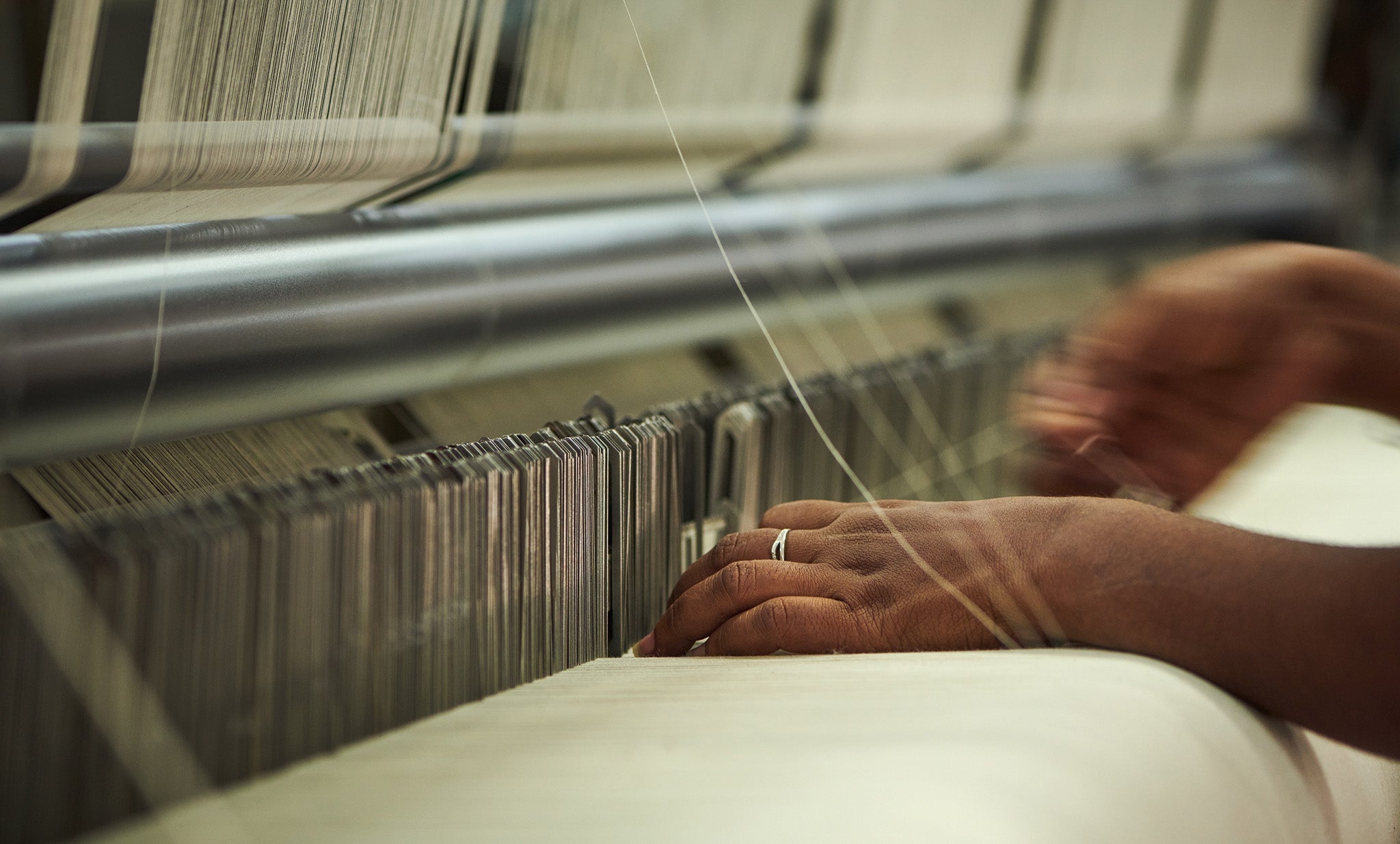
The earliest looms existed thousands of years before alphabets or numerals. Yet every woven fabric followed a set of rules. Not written, but memorised. A weaver kept track of which threads lifted, which stayed down, how many times a sequence repeated, when to shift it, and how to mirror it back. This was counting done by hand.
The plain weave, over one thread, under the next, spread across continents and centuries unchanged.
A twill added a slight shift.
A basket weave doubled the count.
A herringbone mirrored the movement.
These patterns existed entirely through repetition. These sequences follow ancient patterns that still form the basis of modern cloth.
The Hidden Structure Beneath Every Fabric

At the centre of weaving is the relationship between warp and weft. The warp holds steady. The weft moves through it. The moment a weaver chooses which threads rise and which fall, they create a sequence that becomes a pattern.
Even the slightest variation can shift the entire character of the cloth in the way it drapes, the way it breathes, or the texture you feel under your fingertips. Because weaving relies on predictable rules, these patterns can be carried across generations. Children learn not through diagrams but by watching the rise and fall of threads, absorbing the rhythm long before they can explain it.
Creativity Within Structure

In weaving, creativity grows from the rules, not outside them. A weaver chooses where colour enters a pattern, how long a sequence lasts, when to pause it, or how to reflect it across the width of the loom. A fabric that looks simple is often the result of many deliberate decisions — each one following a stable internal logic.
How This Lives Inside Oodaii

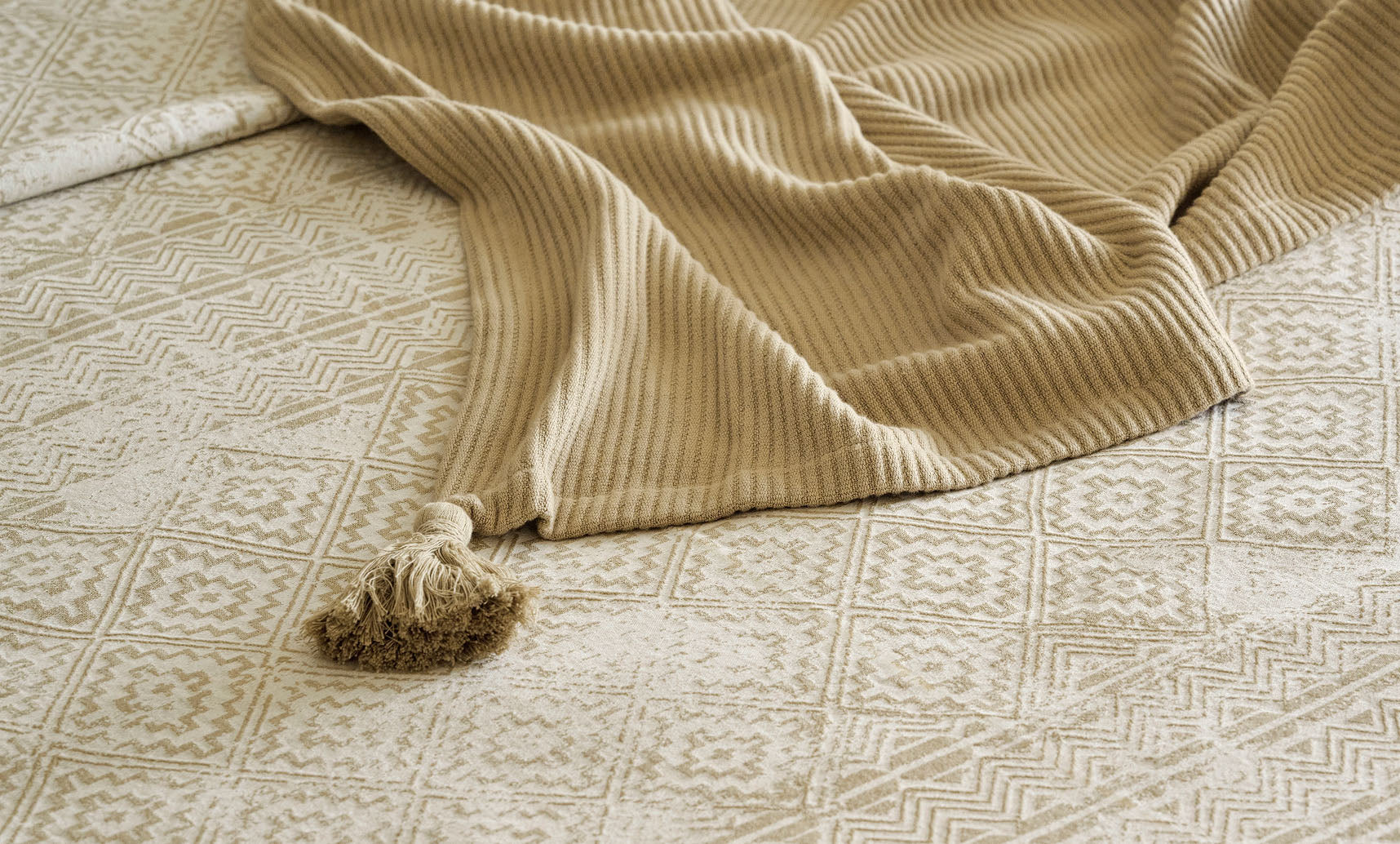
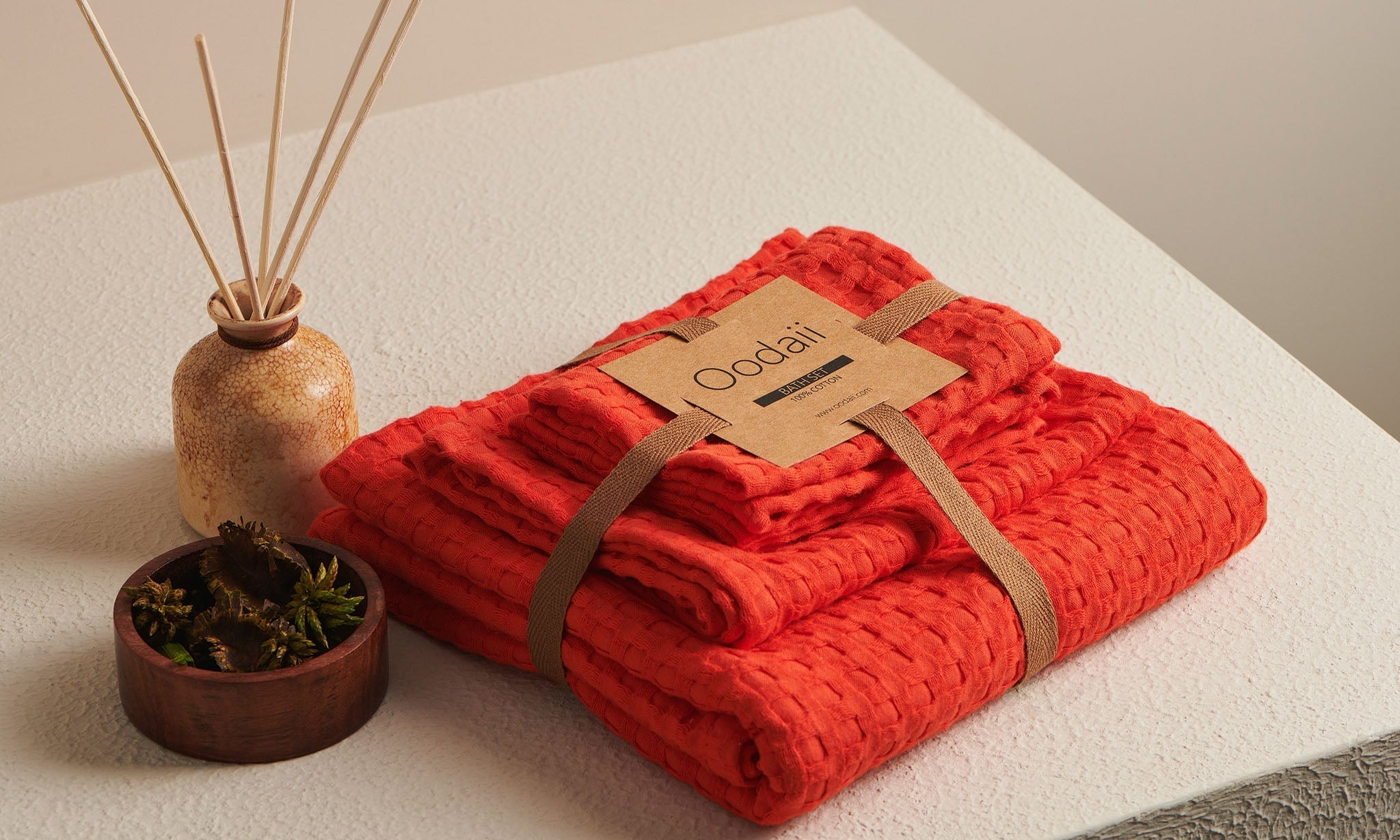
The textiles we live with each day depend on this quiet mathematics. A towel that dries quickly, a bed cover that falls evenly, a throw that feels warm without weight — all of these qualities come from the structure of the weave.
This is the logic that guides many of our decisions at Oodaii. When we choose a weave, we choose a rhythm that will behave a certain way after years of use. When we adjust thread count, we adjust breathability and weight. When a design requires precise alignment, we closely follow its sequence.
The cloth you hold is structured and patterned according to rules that predate written language.
Why These Ancient Rules Still Matter

In a world that moves quickly, weaving reminds us that some of the oldest systems remain the most dependable. A fabric stays strong because the count is stable. A pattern holds because its logic is consistent.
Mathematics often feels abstract, but it lives in the objects closest to us; in the towels we reach for each morning, the blankets that soften with use, and the linens that accompany our everyday routines.
The patterns inside Oodaii products continue a lineage much older than modern design, shaped by the same certainty that guided hands thousands of years ago.
Leave a comment
This site is protected by hCaptcha and the hCaptcha Privacy Policy and Terms of Service apply.