
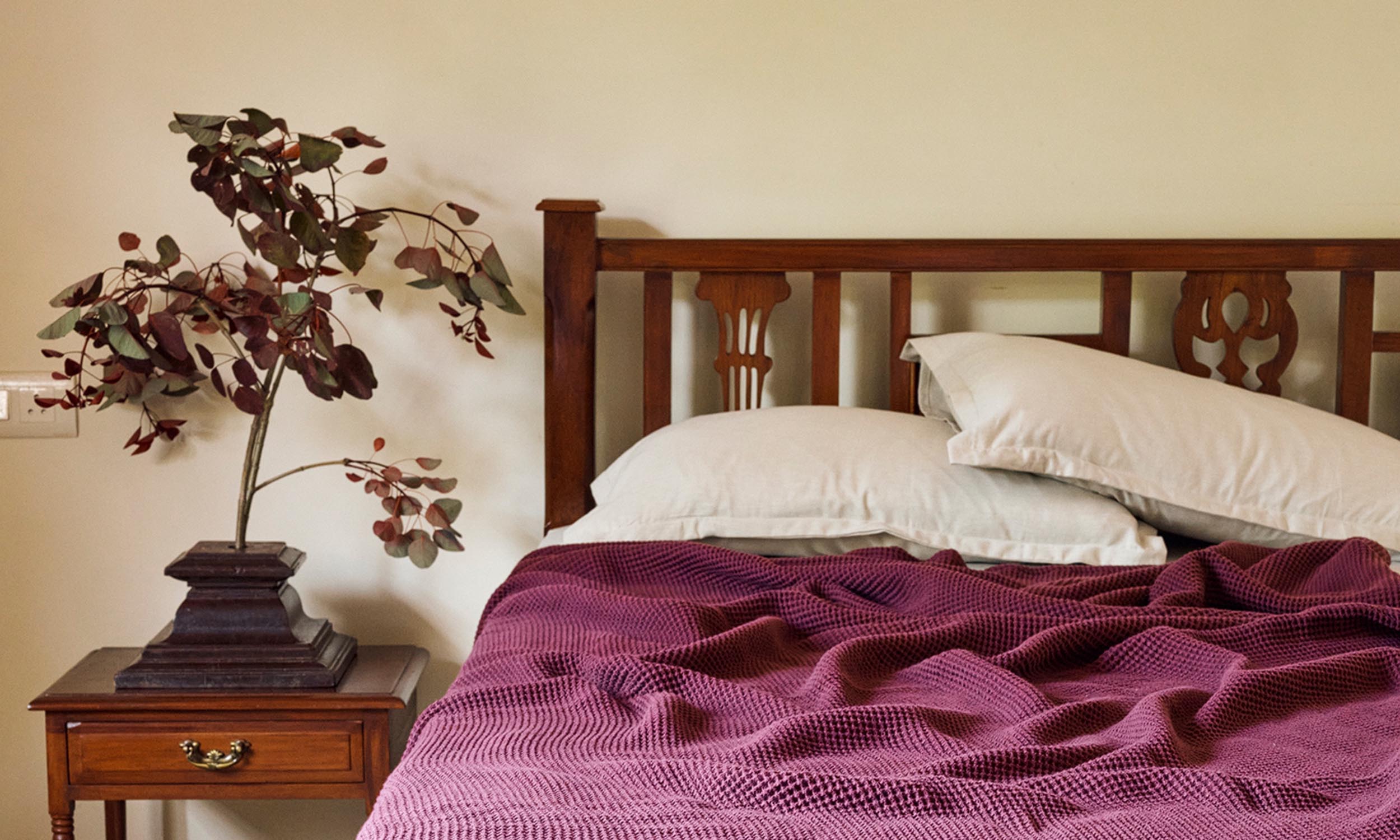
Why Everything Doesn't Have to Match
There was a time when homes were rarely bought all at once.
A towel was replaced because it had worn out. A new set of cushions arrived after a trip. A bedspread was a wedding gift. Curtains stayed long after the sofa changed. Things entered the home at different moments, for different reasons, carrying different histories.
The result wasn't a perfectly coordinated room. It was a home that reflected the people living in it rather than a single moment of purchase.
Today, we're surrounded by images of interiors where everything belongs to the same palette, the same collection, sometimes even the same brand. Bedding echoes the curtains. Cushions repeat the artwork. Towels mirror the bathroom accessories. There's an undeniable satisfaction in that visual order.
But it's worth asking whether coordination and character are always the same thing.
Homes don't stay still

Unlike a showroom, a home is constantly changing.
Children grow. Rooms change purpose. A favourite chair moves from one corner to another. Seasons influence what stays within reach. Some things wear out quickly, while others last for decades.
Very few homes are rebuilt every time one object changes. They adapt instead.
This means a home is less like a finished composition and more like an ongoing conversation. Every new object responds to what is already there.
Matching isn't the only way to create harmony

Harmony doesn't always come from repetition.
It can come from proportion. From texture. From the way colours share the same warmth, even if they aren't identical. From materials that age together, even when they weren't bought together.
Think about a well-loved home you've visited. Chances are you don't remember whether every textile matched. You remember how the space felt.
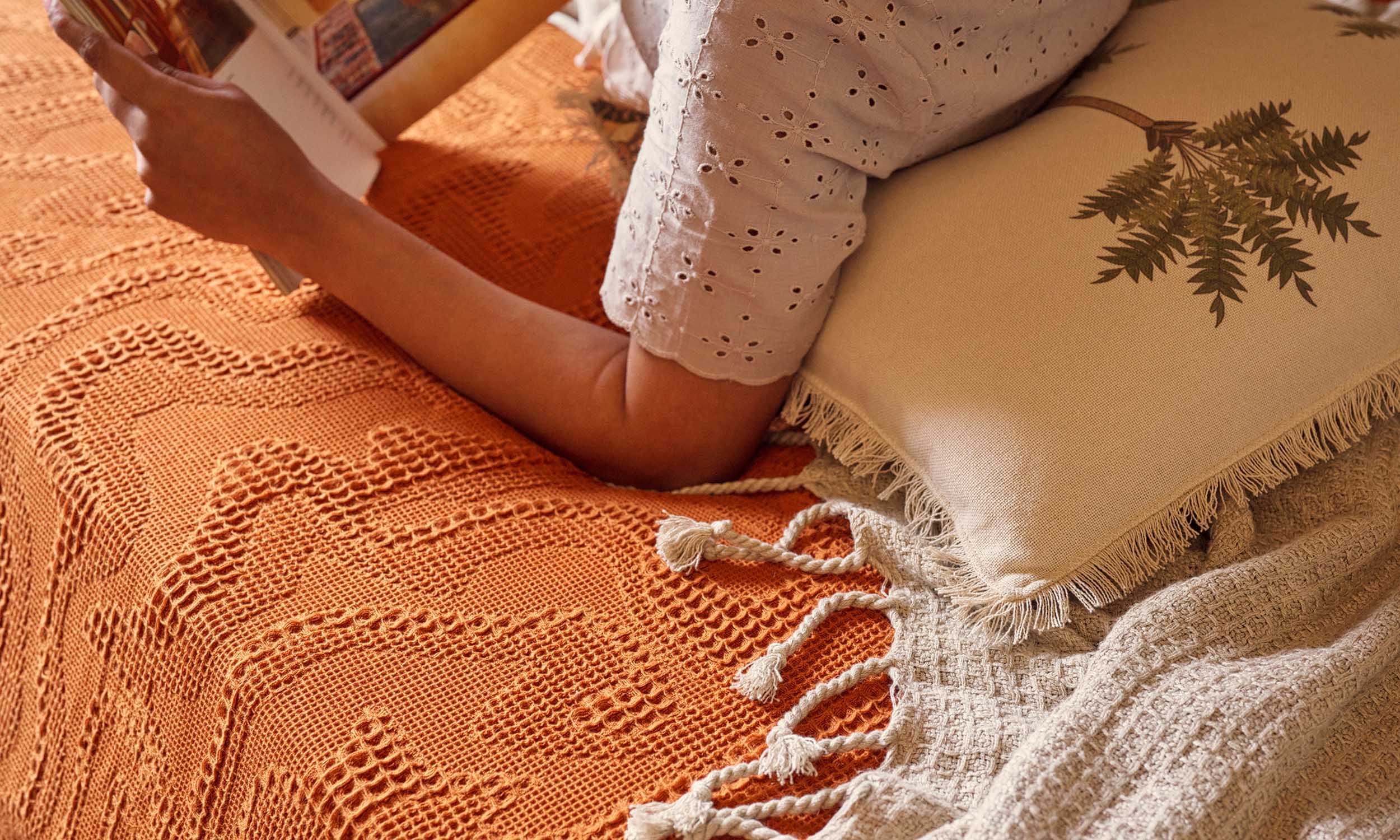
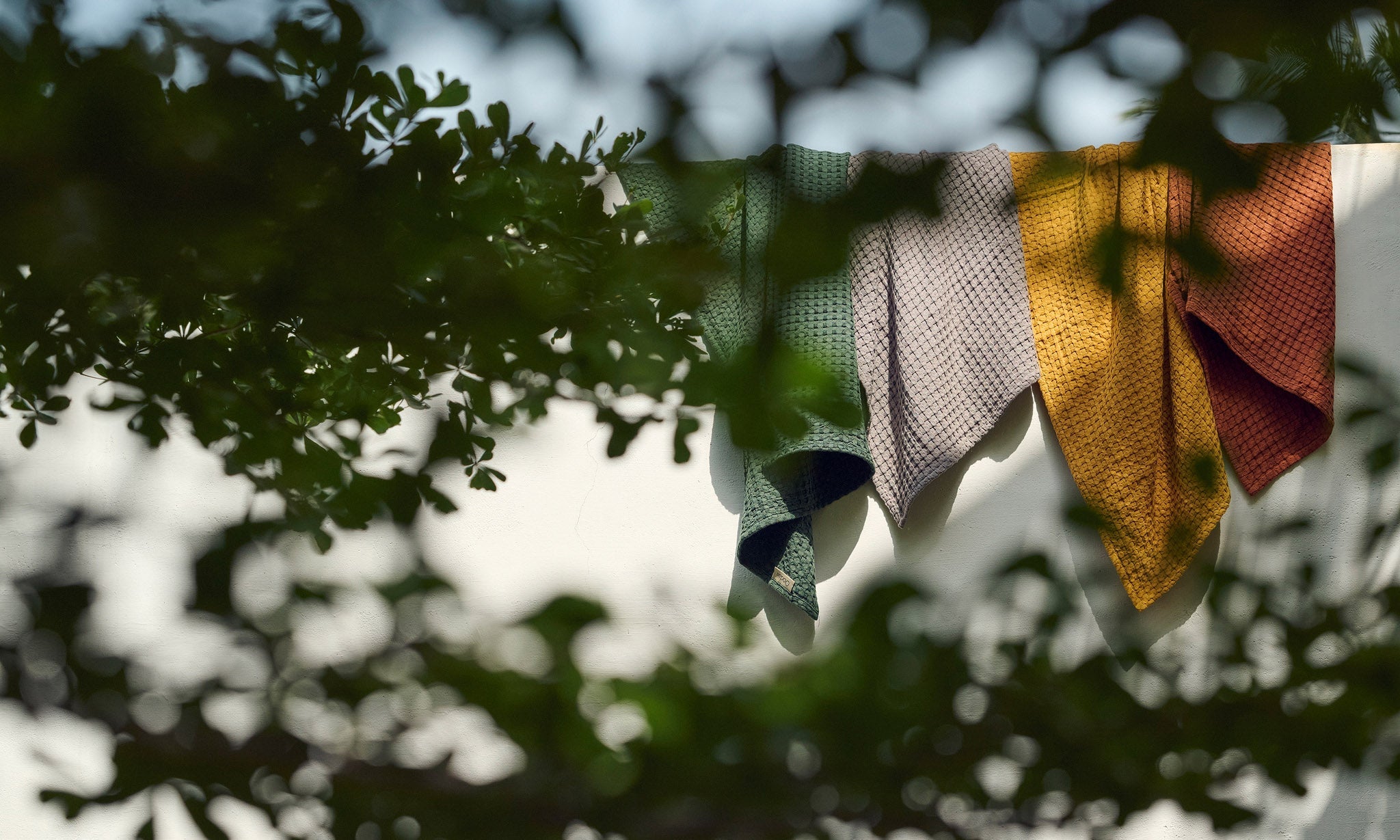
The rooms that stay with us often contain small differences. A patterned cushion beside plain bedding. A faded throw over a newer chair. Towels in related tones rather than identical ones. These are signs that the home has evolved gradually.
Designing for real homes

At Oodaii, we rarely think about products in isolation, but we also don't expect every home to begin from scratch.
Many of our collections share a common language rather than a strict visual formula. Colours are designed to sit comfortably alongside existing textiles. Patterns are intended to complement rather than dominate. Texture often does as much of the work as colour.
This allows pieces to enter a home one at a time, becoming part of what already exists instead of replacing it.
Because that's how most homes actually grow.
A home that keeps becoming itself
Perhaps the most interesting homes aren't the ones where everything matches. They're the ones where everything belongs. Those aren't quite the same thing. One is achieved in a single purchase. The other takes years.
Leave a comment
This site is protected by hCaptcha and the hCaptcha Privacy Policy and Terms of Service apply.