
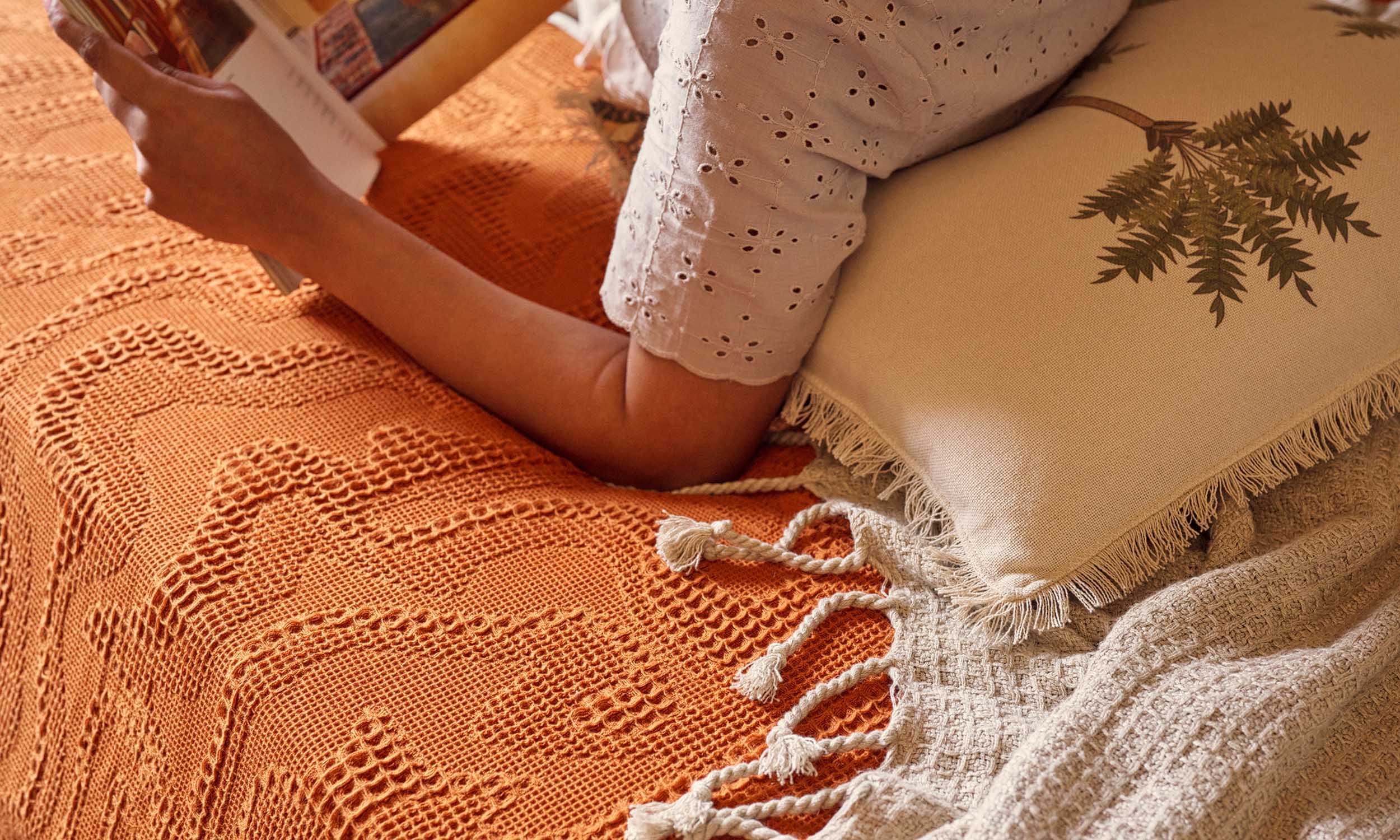
The Home as a Weather System
Every home has its own weather.
A bathroom holds steam long after a shower. A bedroom changes with the direction of morning light. A balcony may be too hot at noon and perfect by evening. One corner of the living room stays cool because it never catches direct sun. The laundry area has its own dampness. The floor feels different in summer, in monsoon, and in winter.
These small micro-climates are part of how a home works. We may not always name them, but we respond to them every day. We open a window. We move a chair. We change what we sleep under. We choose a towel that dries faster. We avoid one room at a certain hour and return to another because the light has shifted.
A home is not one fixed environment. It changes through the day, through the season, and through the way people live inside it.
The Rooms Have Their Own Conditions

Every room carries a different kind of climate.
The bathroom has moisture, steam, and repeated drying. It needs objects that can handle water, air, and frequent use. Towels, bath mats, robes, and hand towels live in a room where fabric is constantly moving between wet and dry.
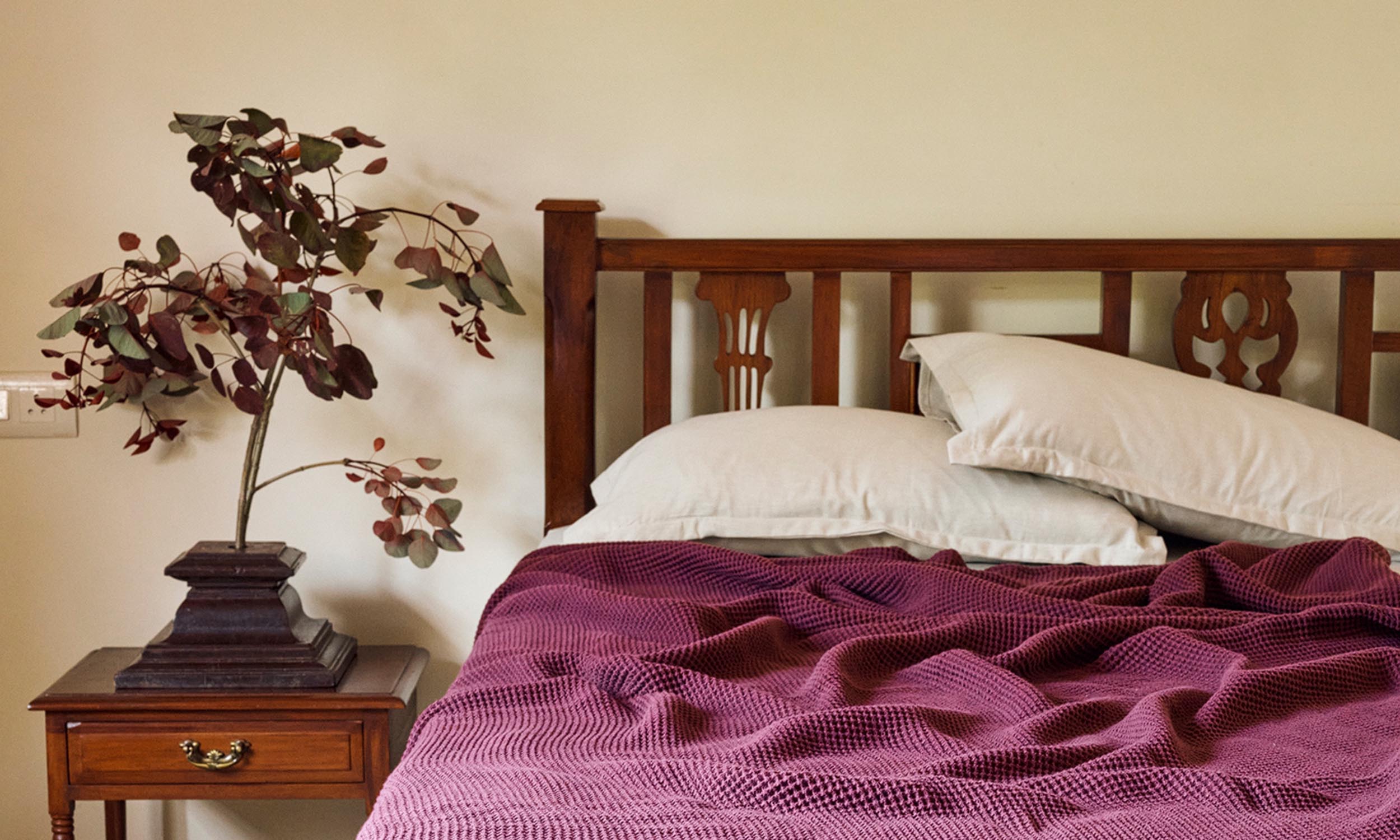
The bedroom has another rhythm. It is shaped by sleep, warmth, light, and the body’s changing need for comfort. Some nights need a light layer. Some need a heavier one. Some mornings make the bed feel bright and open, while others call for the comfort of staying under a cover a little longer.
The living room often has the most mixed weather. It may be where the sun comes in strongly, where the fan runs through the day, where people gather, nap, work, eat, or sit with tea. A throw may be needed in the evening even when the afternoon felt warm.
Even smaller spaces have their own conditions. A shaded balcony, a damp utility area, a warm kitchen, a cool patch of floor. Homes are full of these small shifts.
Light Changes the Room

Light is one of the strongest forms of indoor weather.
It changes the colour of a bedsheet. It makes a towel look brighter in the morning and softer by evening. It brings out the surface of a weave, the folds of a comforter, the raised detail of a jacquard, or the unevenness of a slub yarn.
The same textile can look different through the day because the room around it is changing. A pale shade may feel crisp in direct light and warmer in shade. A woven colour may show more depth when light moves across the surface. A textured fabric may appear flatter in one room and more detailed in another.
This is why home textiles are never seen in isolation. They live with windows, walls, floors, shadows, and time of day.
A room in morning light is not the same room at dusk.
Moisture Has Its Own Routine

Bathrooms and laundry areas understand weather better than most spaces in the home.
A towel is used, hung, dried, used again. A bath mat meets water every day. A robe holds the warmth after a shower. Hand towels are touched repeatedly and asked to dry between uses.
In these spaces, fabric cannot only look good. It has to move through a wet-and-dry cycle without becoming difficult to live with. A towel that takes too long to dry changes the feeling of a bathroom. A bath mat that stays damp affects how the room is used. A robe that feels too heavy in a humid space may be left aside.
Moisture teaches us what works.
This is also where weave begins to matter. Gauze can feel lighter and more breathable. Waffle brings surface and airflow. Terry carries a familiar absorbency. Each construction responds differently to the room it belongs to.
The bathroom has its own demands, and the textile has to meet them every day.
The Bed Follows the Season

The bed is often where we notice the weather of a home most clearly.
In warmer months, the bed needs to feel open. Layers become lighter. Fabrics that breathe better are used more often. A heavy cover may be folded away or kept only at the edge of the bed.
During cooler or rainier months, the bed begins to gather layers again. A comforter feels more necessary. A throw moves closer. The weight of fabric becomes part of the comfort of the room.
This change happens slowly. A bedsheet is changed. A cover is added. A blanket returns from storage. The bed adjusts before the rest of the room does.
In this way, the bed becomes a kind of seasonal marker. It tells us what the home is feeling before we put it into words.
Some Corners Hold Warmth

Every home has places that collect warmth.
A chair by a window. A bed that catches afternoon sun. A spot on the floor where the light sits for a few hours. A sofa that becomes warmer as the day moves.
These places often become favourites. People, pets, books, cups of tea, and afternoon rests all find their way there. The climate of a corner changes how it is used.
A throw may stay on a sunlit chair, not because the room is cold, but because the corner has become a place to pause. A cushion may remain by a window because that is where someone likes to read. A bedsheet may be chosen because it keeps the room feeling light through the day.
The objects in a home slowly gather around its weather.
How This Shows Up in Oodaii
At Oodaii, we think about home textiles as part of everyday conditions.
A towel belongs to a room where moisture is constant. Bedding belongs to a space that changes with temperature, sleep, and light. A throw belongs wherever the day settles, from a sofa to a bedroom corner. A robe belongs to the transition between bath and getting dressed.
Each fabric, weave, and layer has a role in how the home feels through use. Cotton, cotton bamboo, gauze, waffle, terry, jacquard, slub, and chambray all respond differently to air, touch, light, and movement. These differences are small, but they matter because homes are lived in repeatedly, not styled once and left alone.
The aim is to make textiles that can enter the real weather of a home. The damp bathroom. The warm bed. The shaded corner. The monsoon laundry day. The room that feels different by evening.
Every home has its own weather. The more we notice it, the better we understand what comfort really means.

Leave a comment
This site is protected by hCaptcha and the hCaptcha Privacy Policy and Terms of Service apply.