Introduction to the Bath Collection
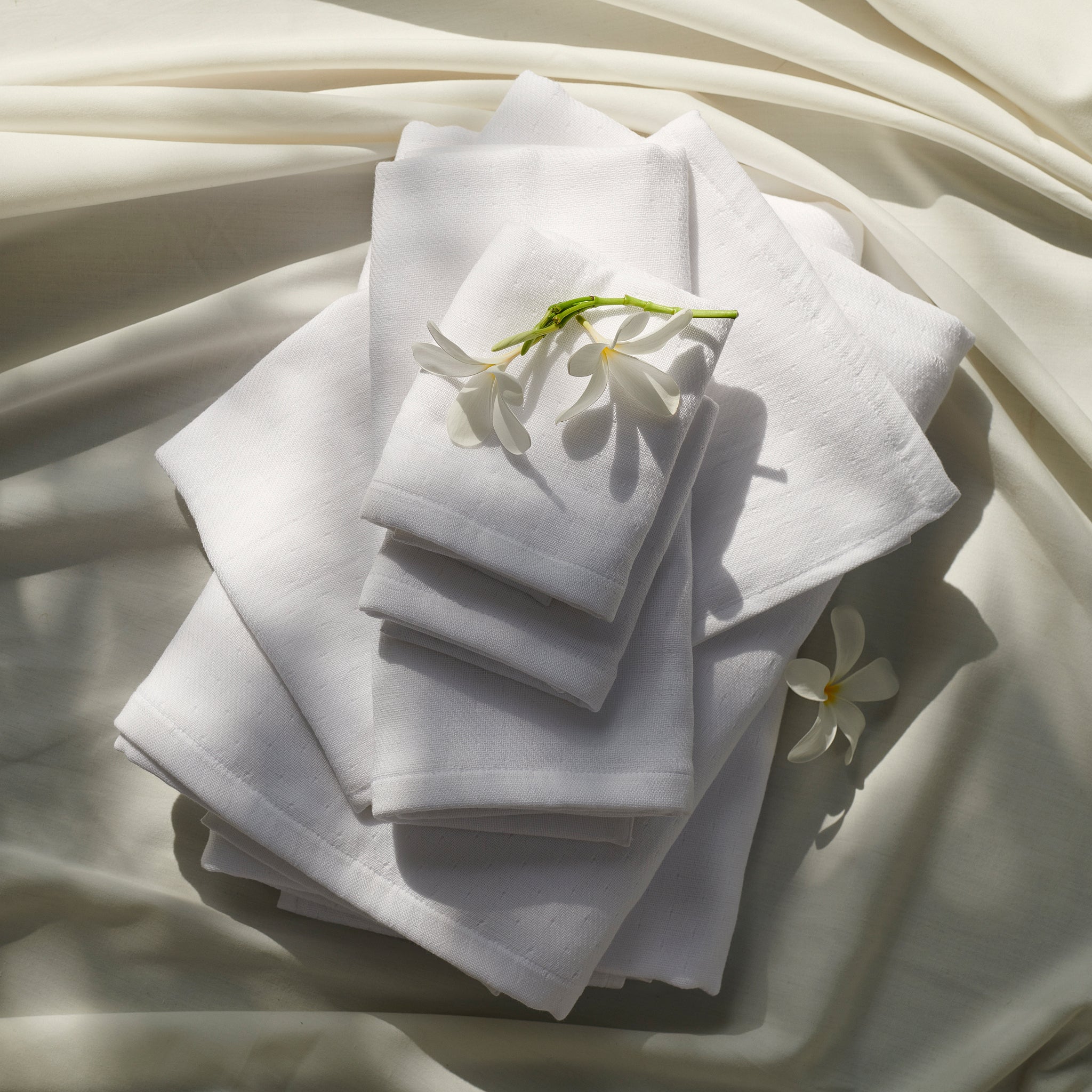
Our Bath Collection brings a designer's eye to everyday linen. Colour, weave, surface, and detail come together in each towel, turning a simple bath essential into a piece with real character. Beyond the look, every towel is built to perform: highly absorbent, quick-drying, and breathable, with a softness and durability that only improve with every wash.
Categories
Weaves and Benefits
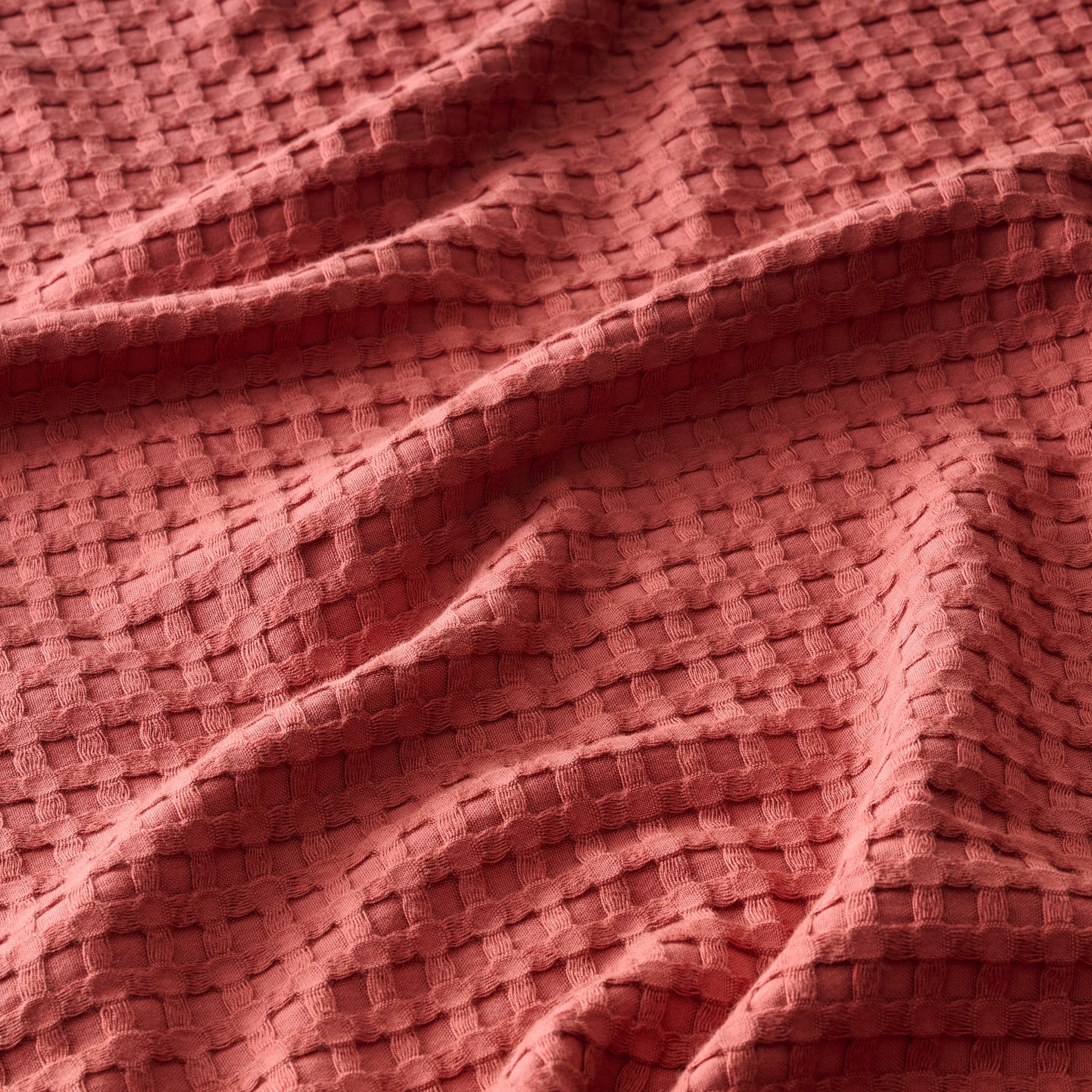
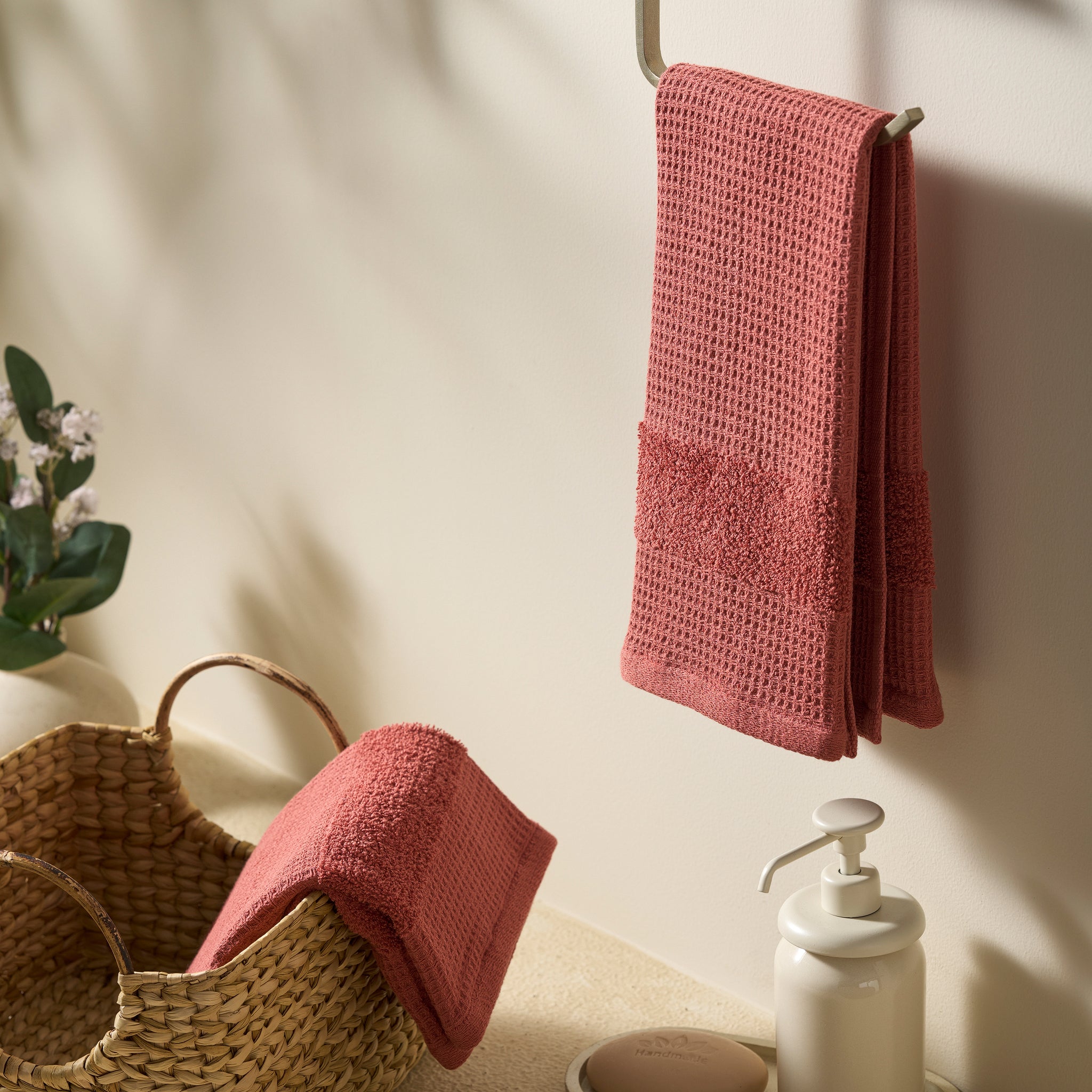
Waffle
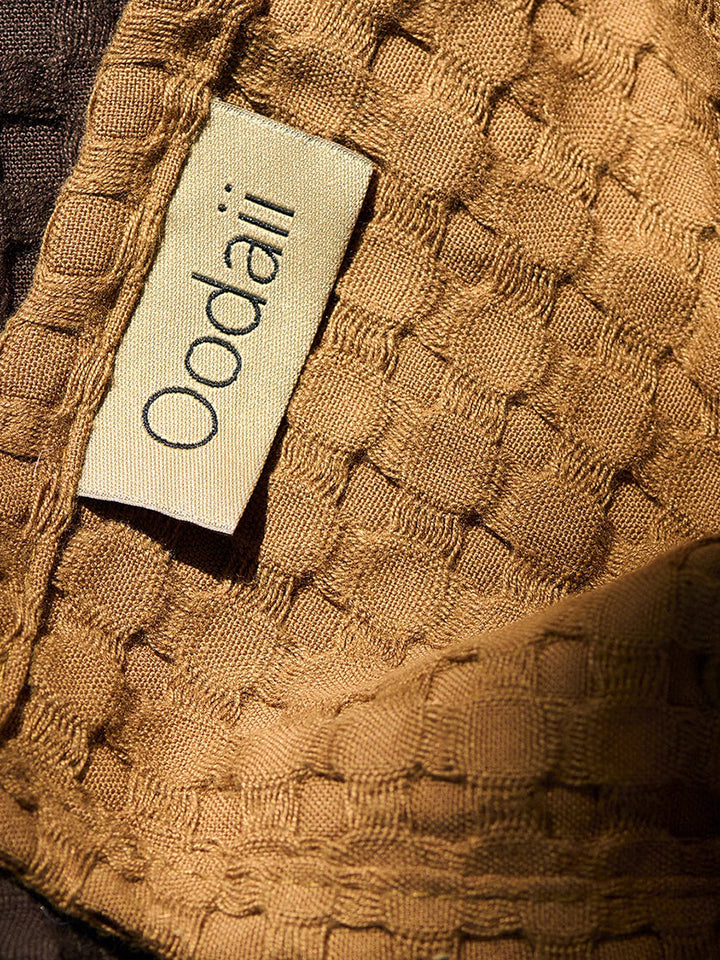
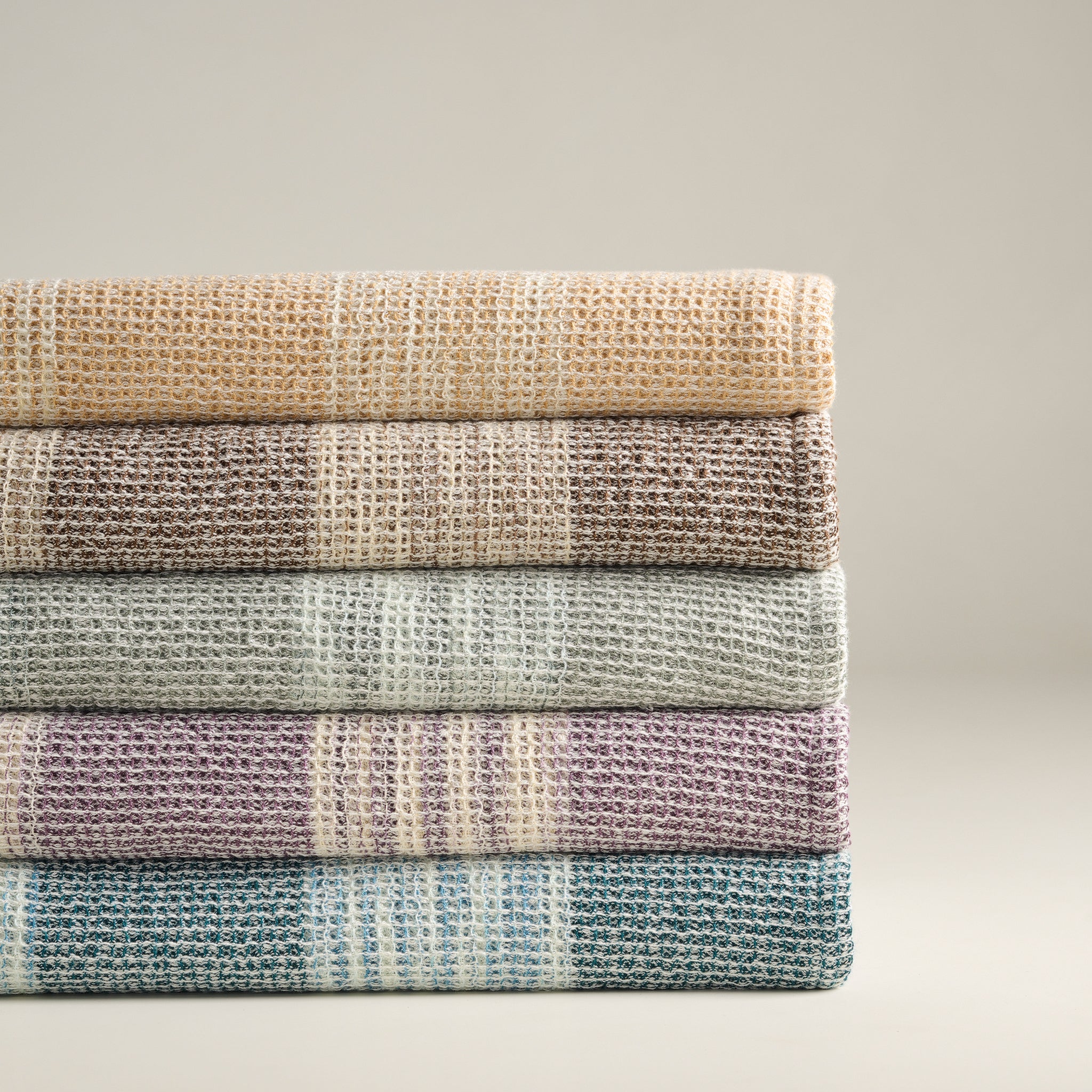
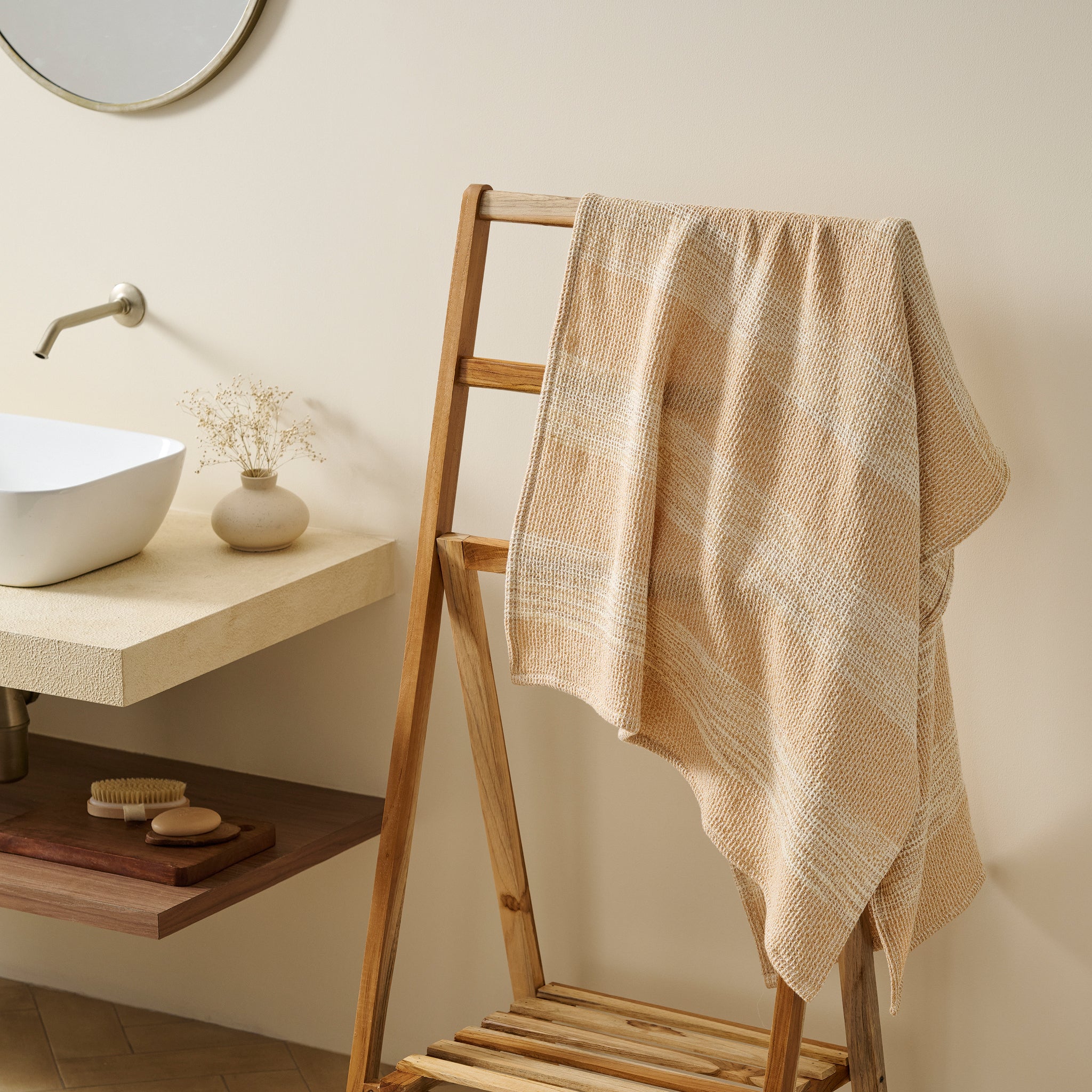
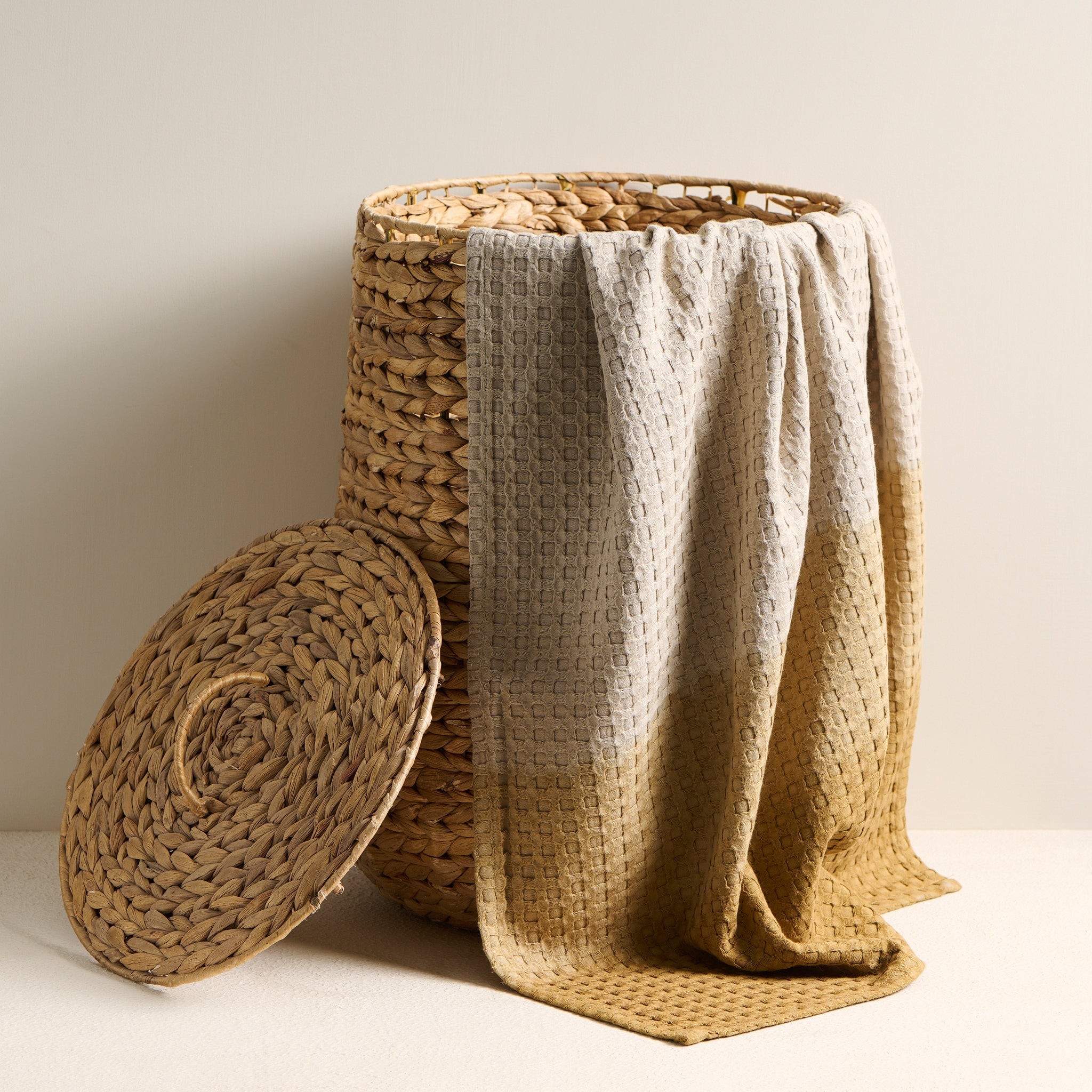
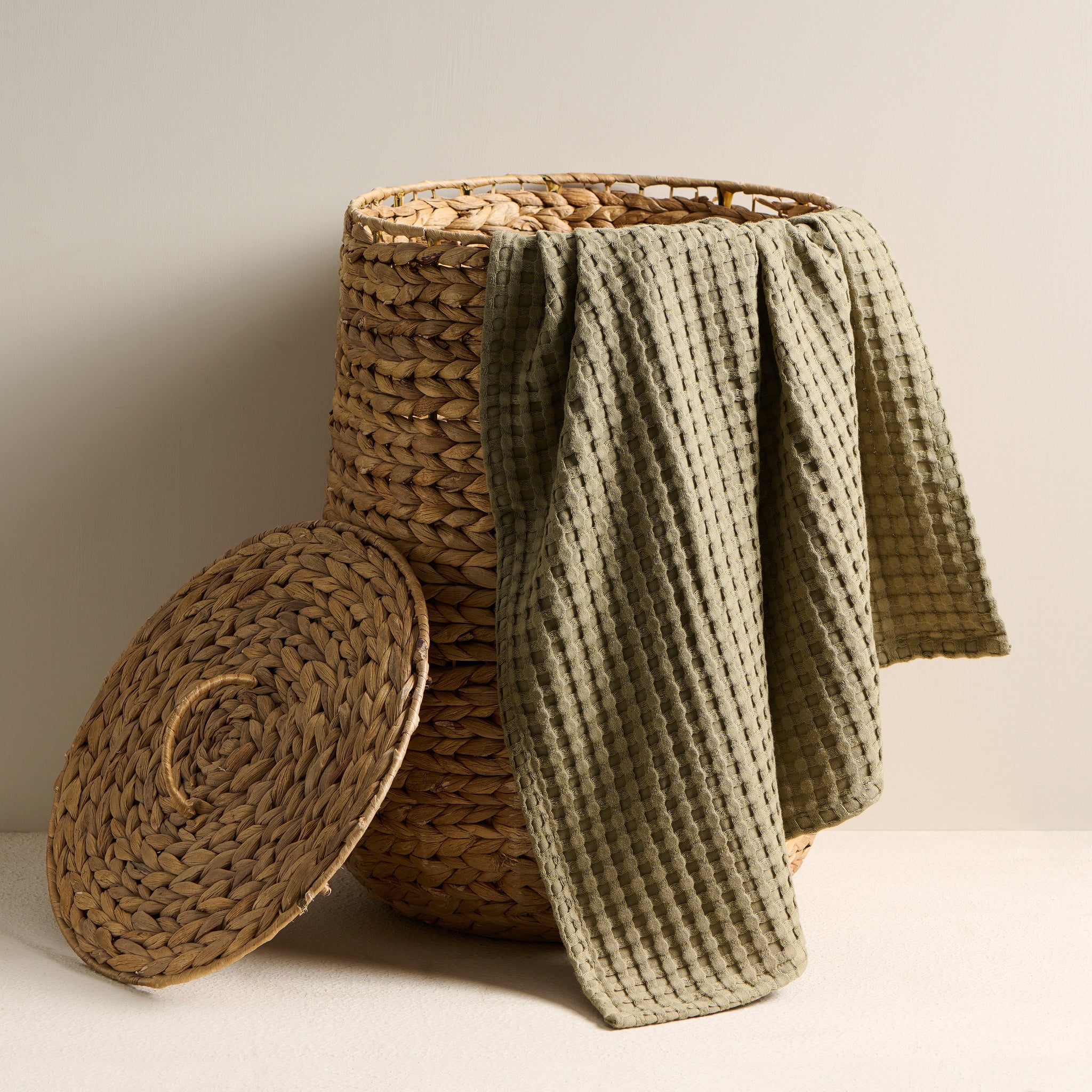
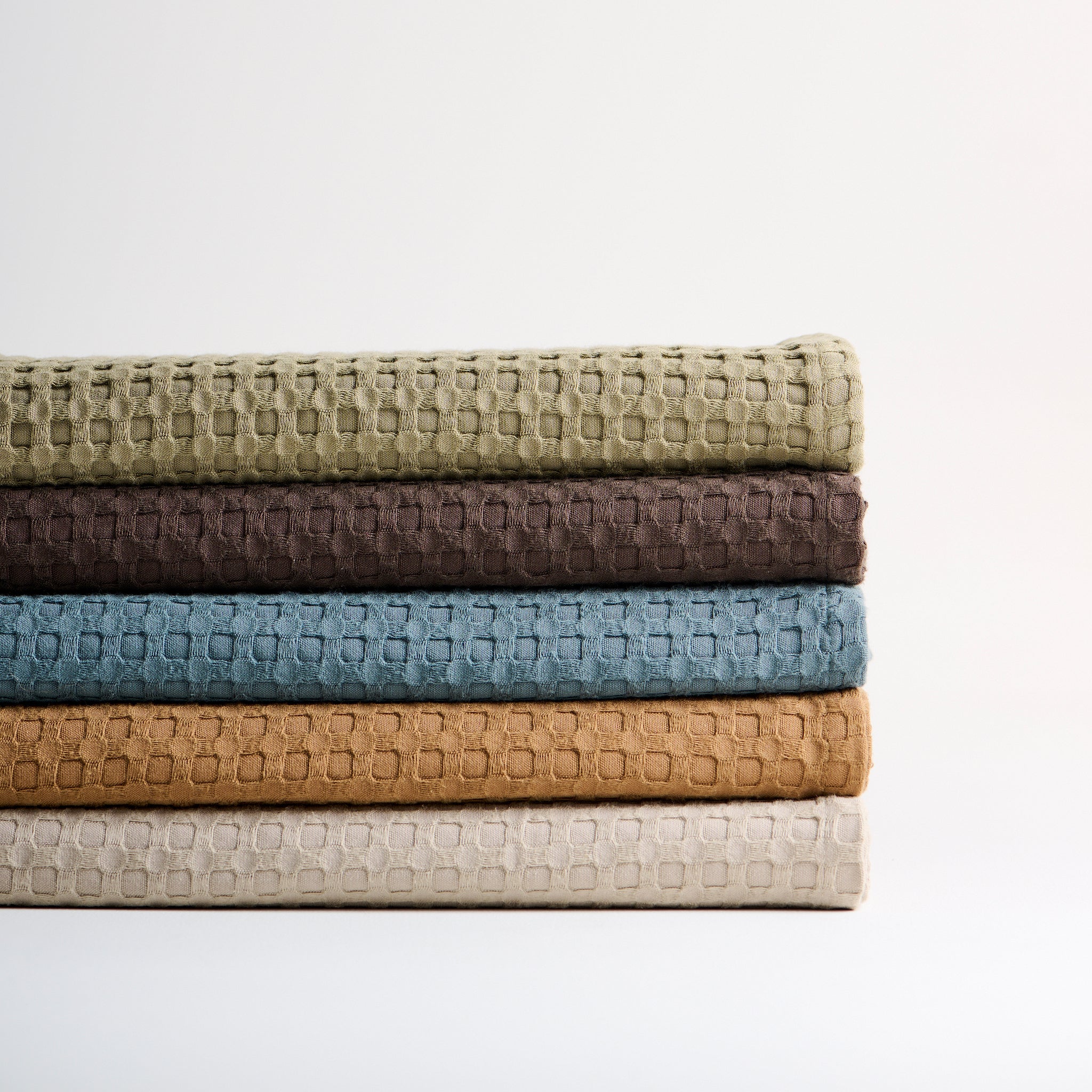
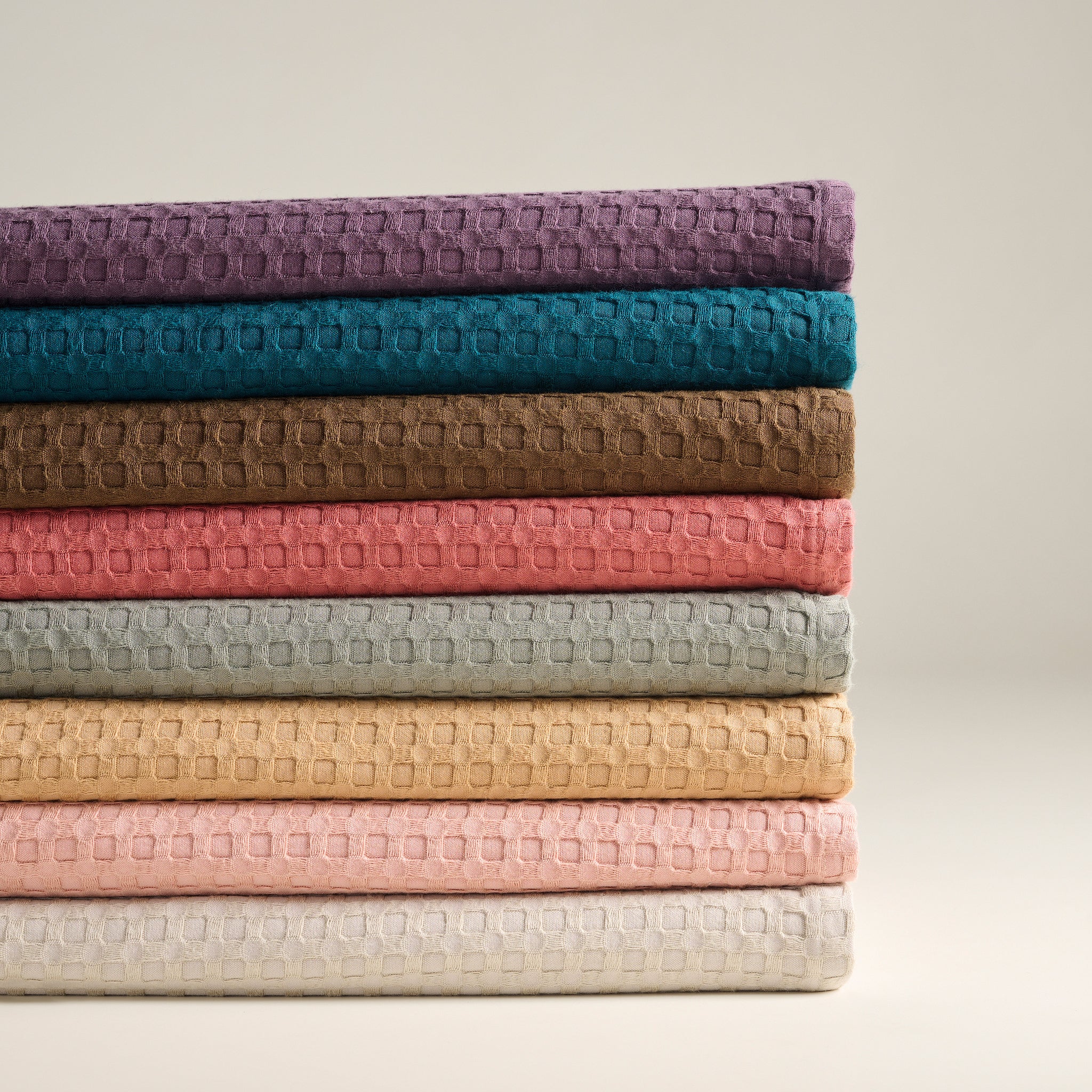
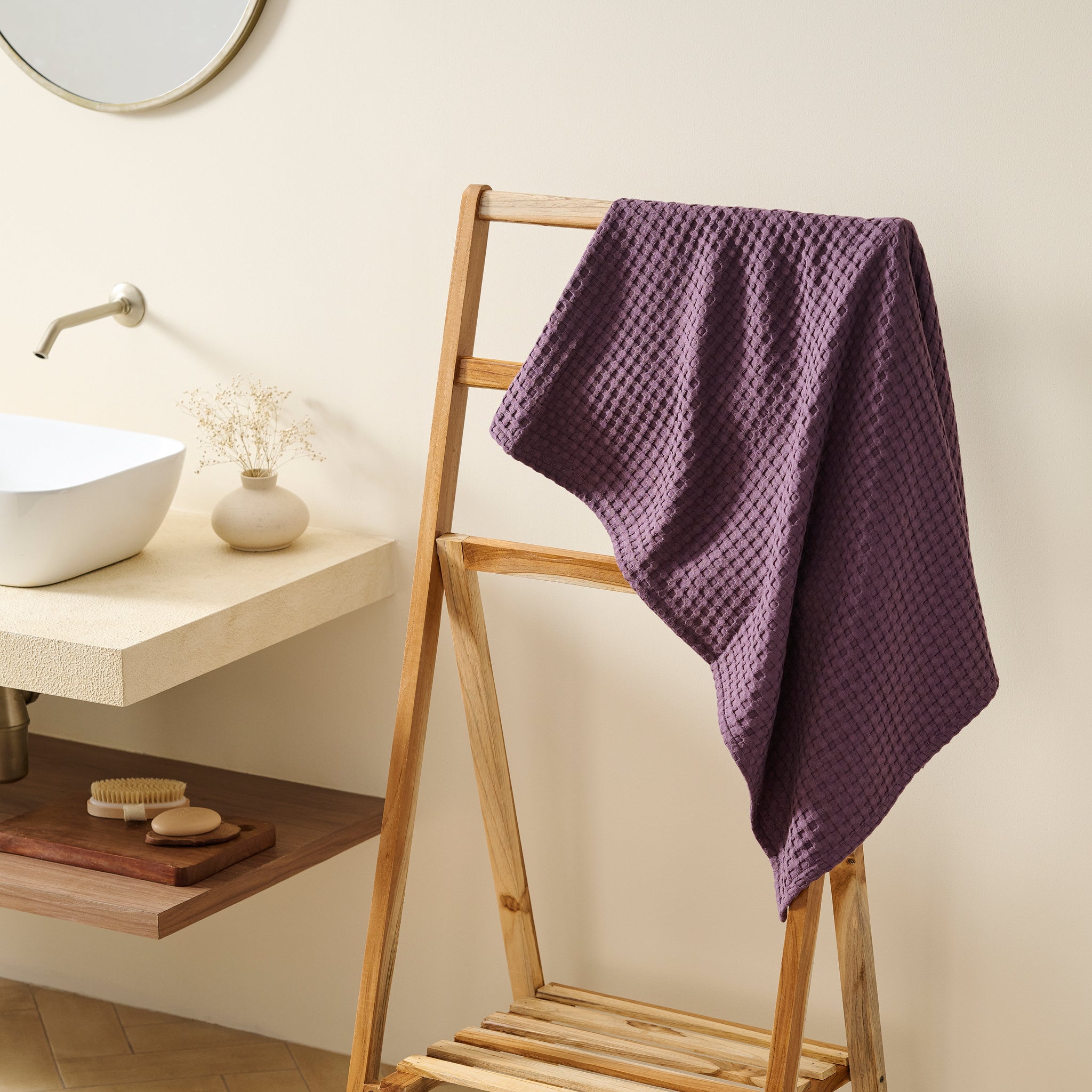
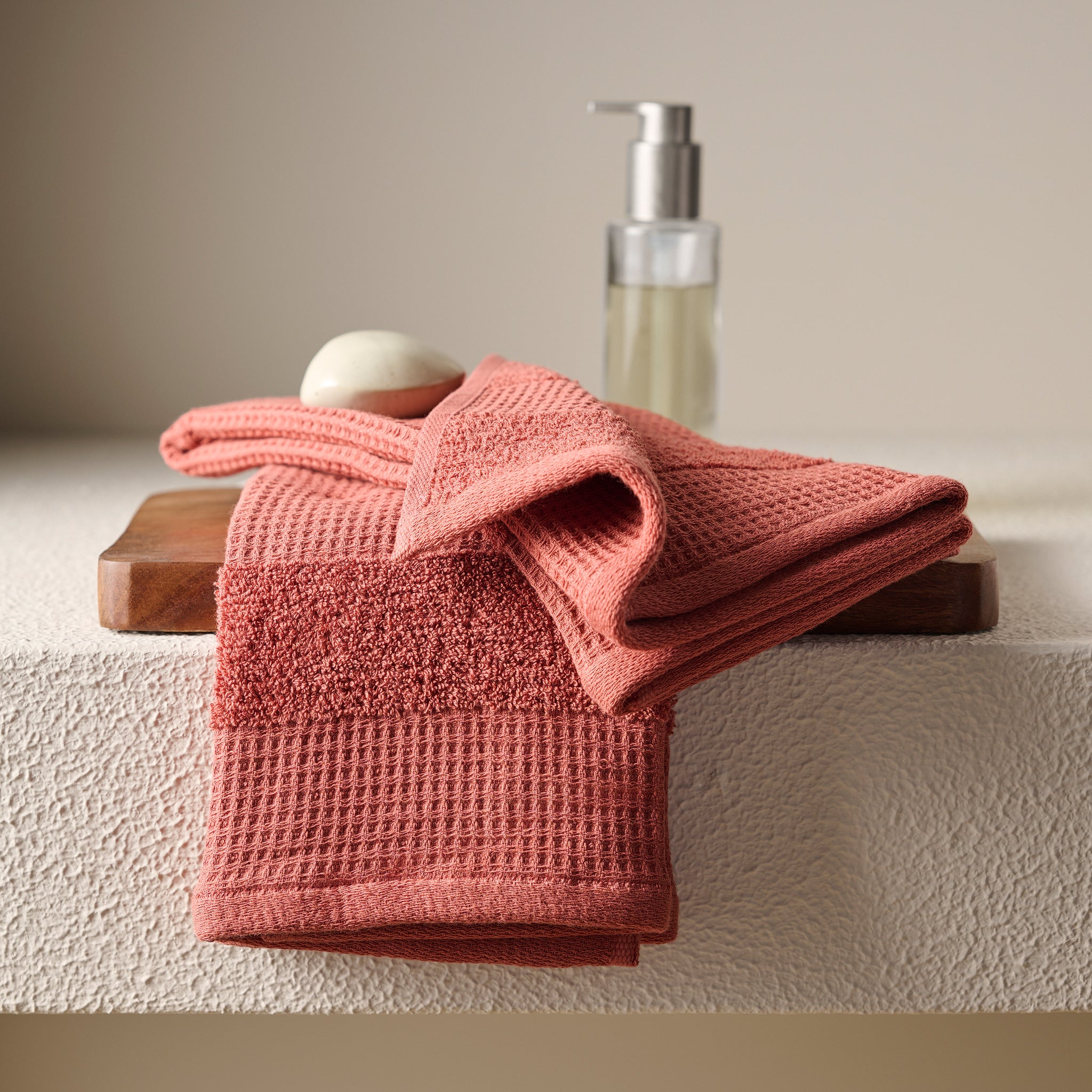
Waffle weave creates a raised grid across the towel, giving the fabric a light, airy structure. The pockets in the weave add texture in the hand, help the towel sit neatly when folded, and support efficient drying after use. It is a good choice for those who like bath linen with visible surface detail and a lighter weight.
Weaves and Benefits
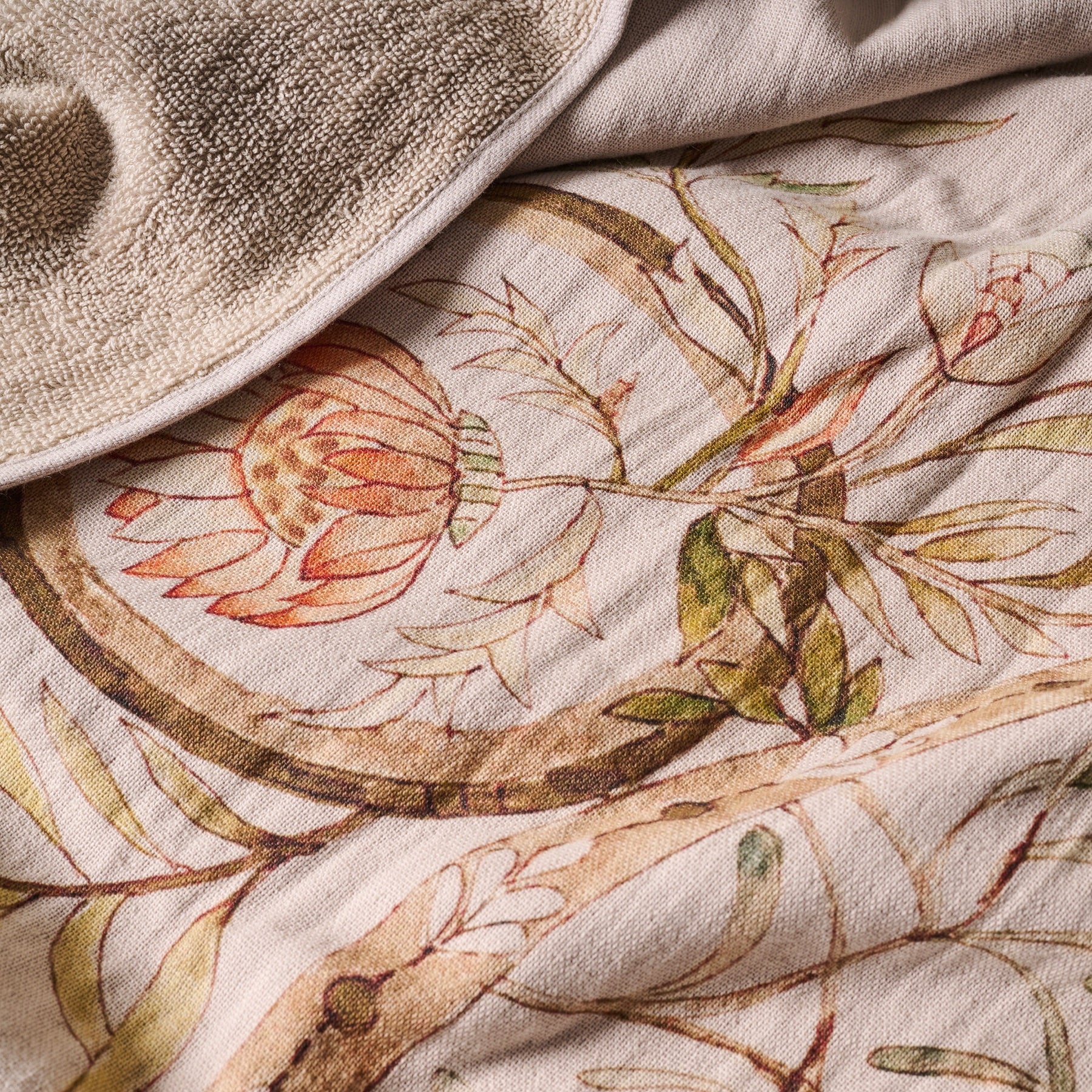
Hammam Terry
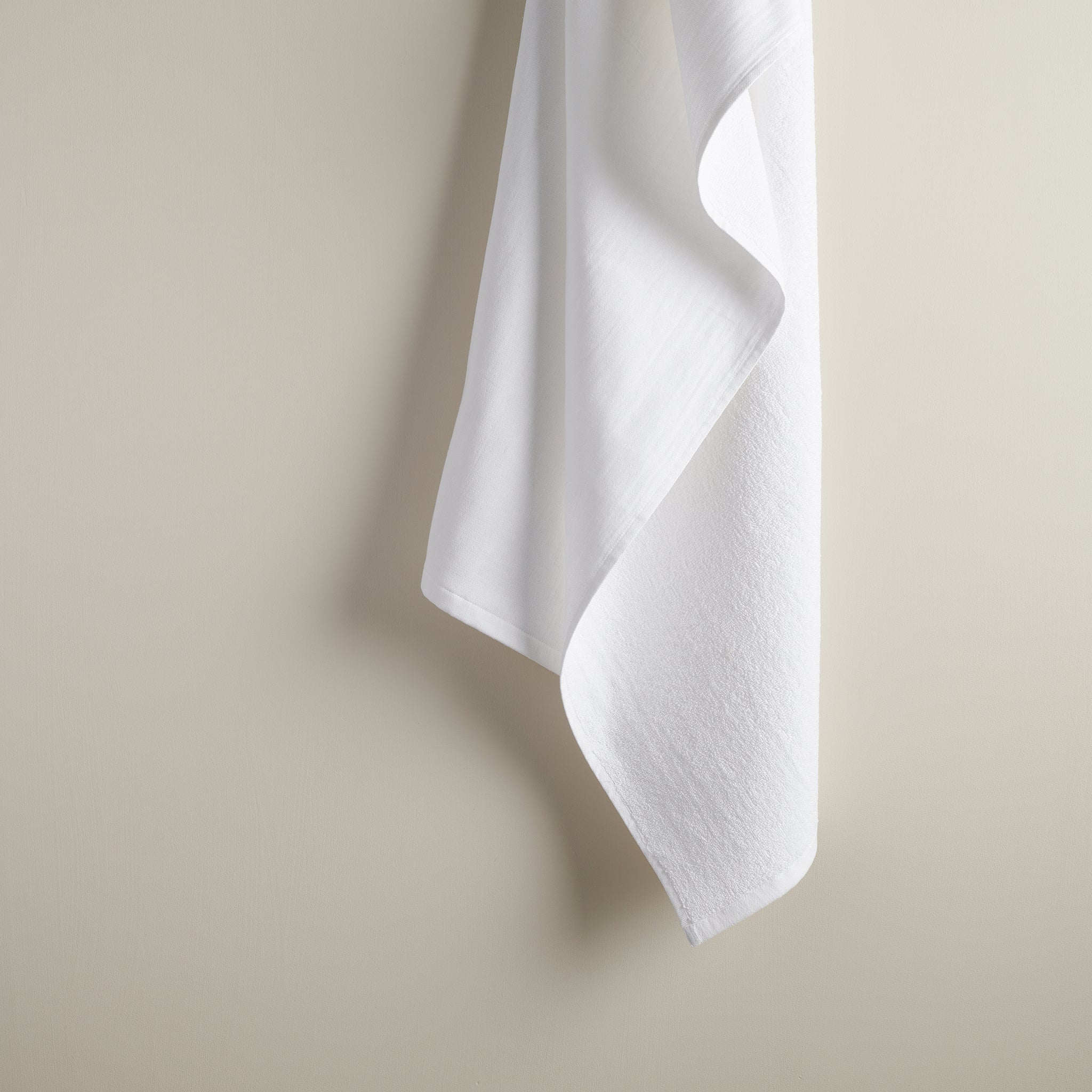
Hammam terry combines the flat-woven quality of a hammam towel with the absorbency of terry. One side has a smoother surface, while the terry side offers a fuller drying experience. This makes it useful for daily bath routines, especially when you want a towel that is soft, flexible, and easy to wrap around the body.
Weaves and Benefits
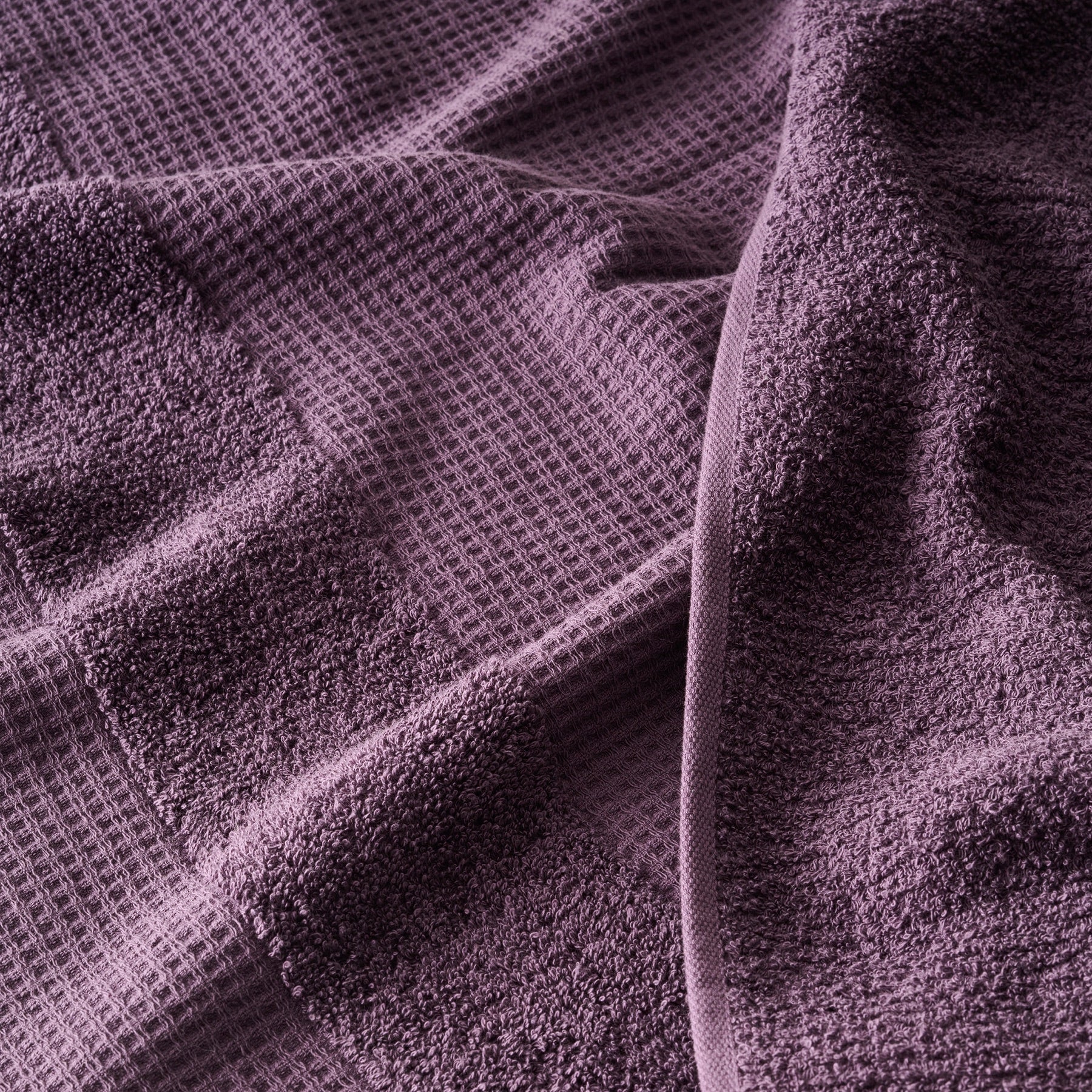
Waffle Terry
Waffle terry combines the structured look of waffle with the familiar comfort of terry. The waffle surface creates defined texture, while the terry loops add body and absorbency. It works well for those who like surface detail while still preferring the fuller quality of classic terry.
Weaves and Benefits
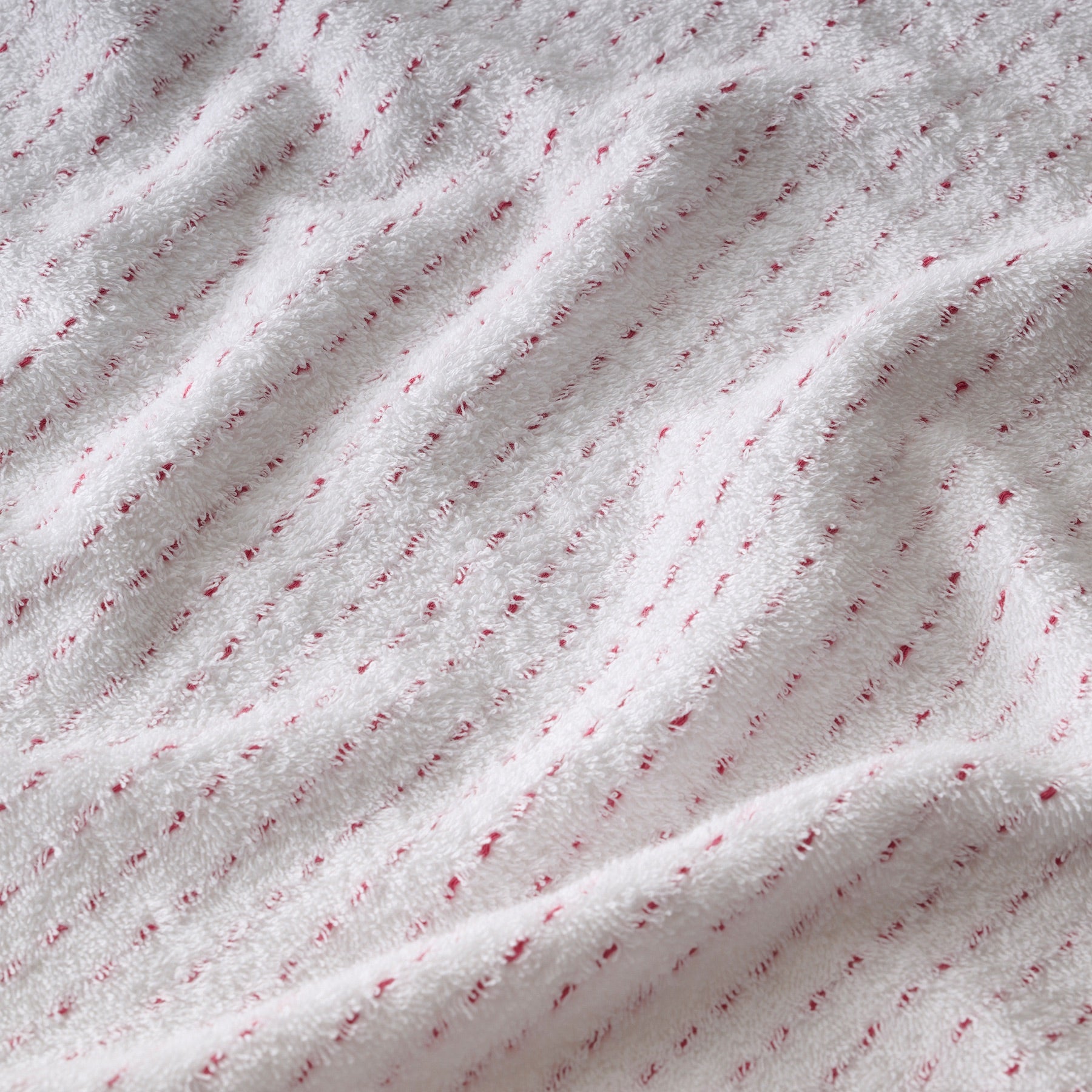
Dobby Terry
Dobby terry uses a dobby weave to create small patterns, stripes, or design details within the towel itself. The terry construction brings softness and absorbency, while the dobby detail adds definition to the surface. It is a simple way to bring pattern into bath linen through the weave.
Weaves and Benefits
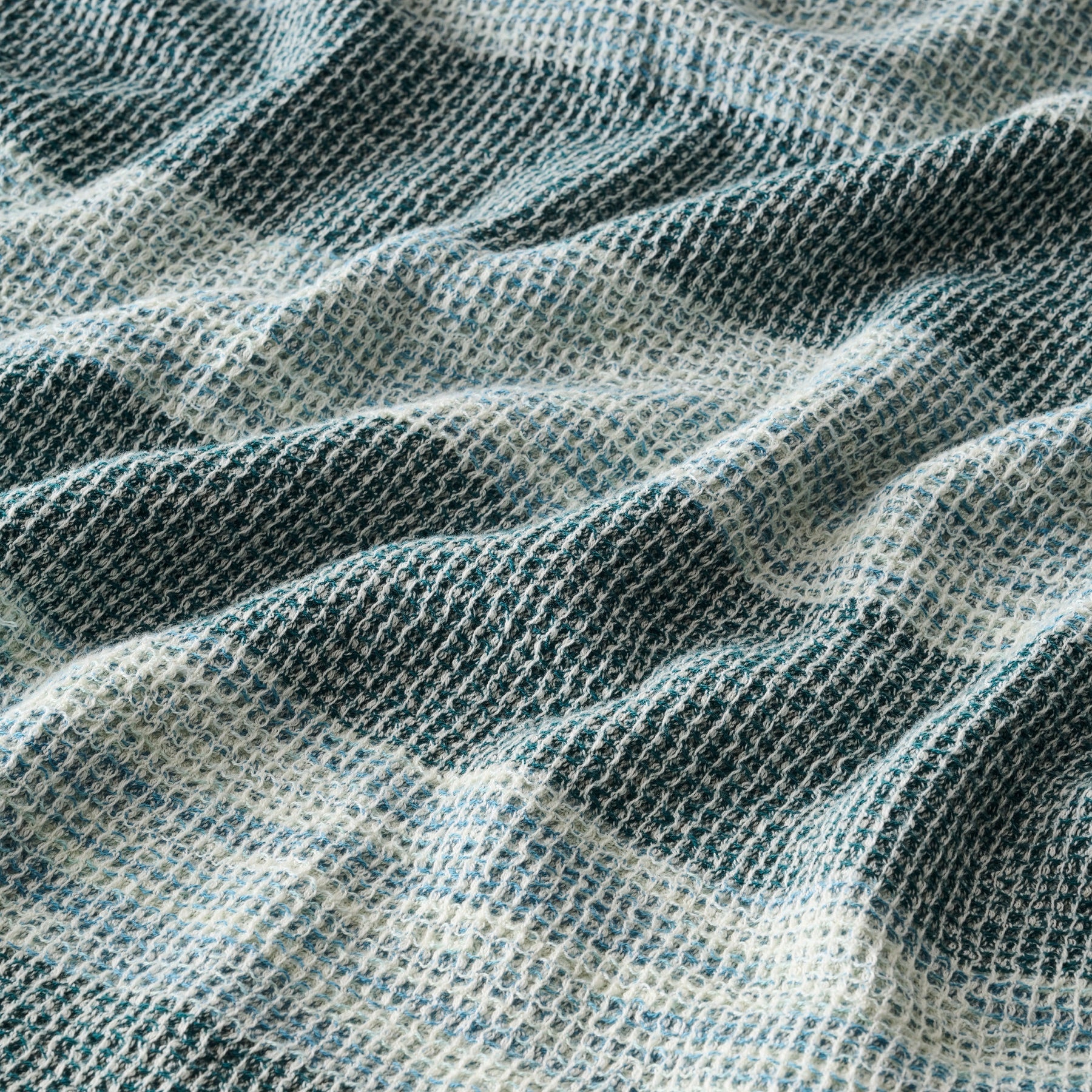
Waffle Space Dyed
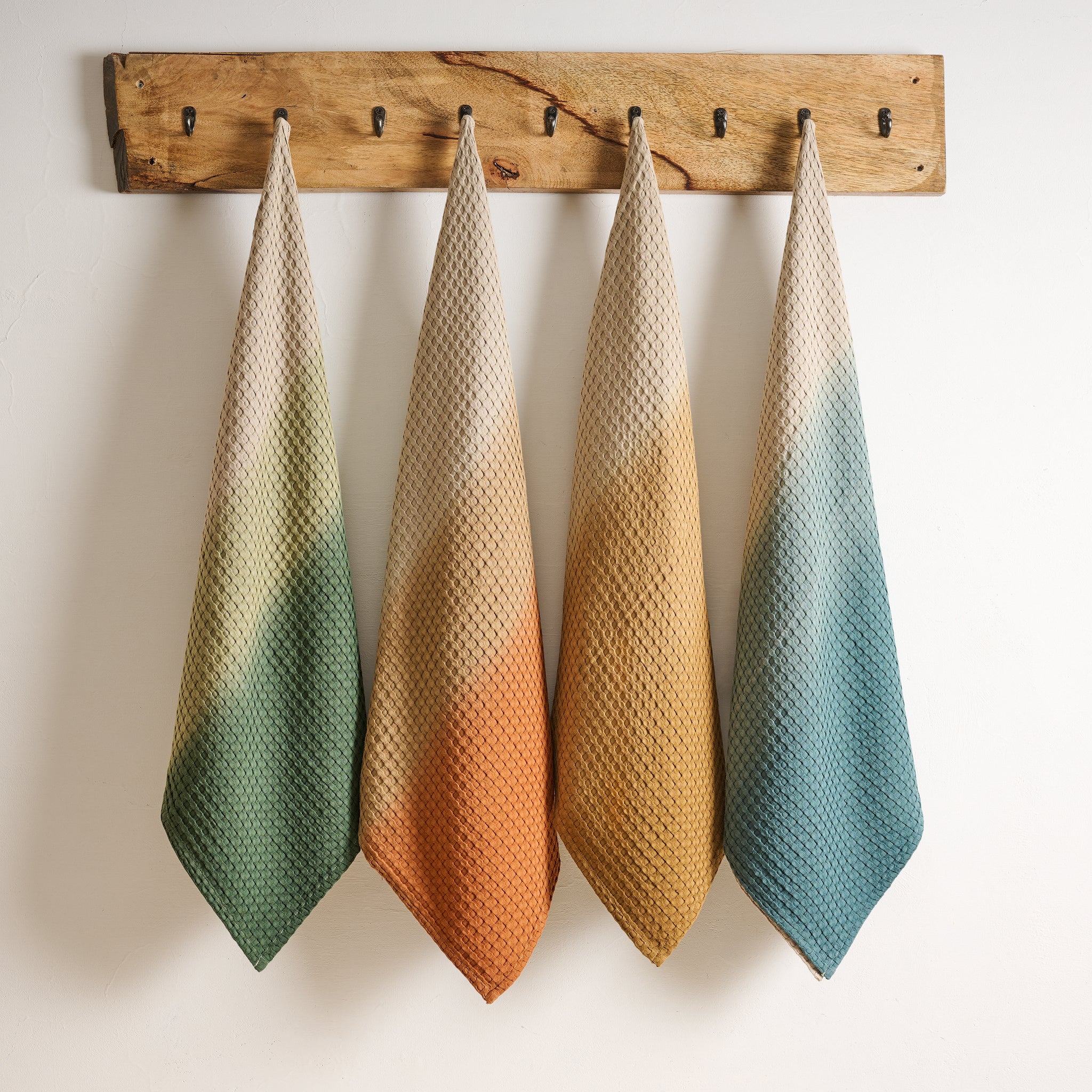
Waffle space-dyed towels use yarns that are dyed in sections before weaving. As the towel is woven, these colours appear across the waffle surface in soft, uneven shifts. This gives each towel a varied look, with colour built into the fabric rather than placed on top.
Weaves and Benefits
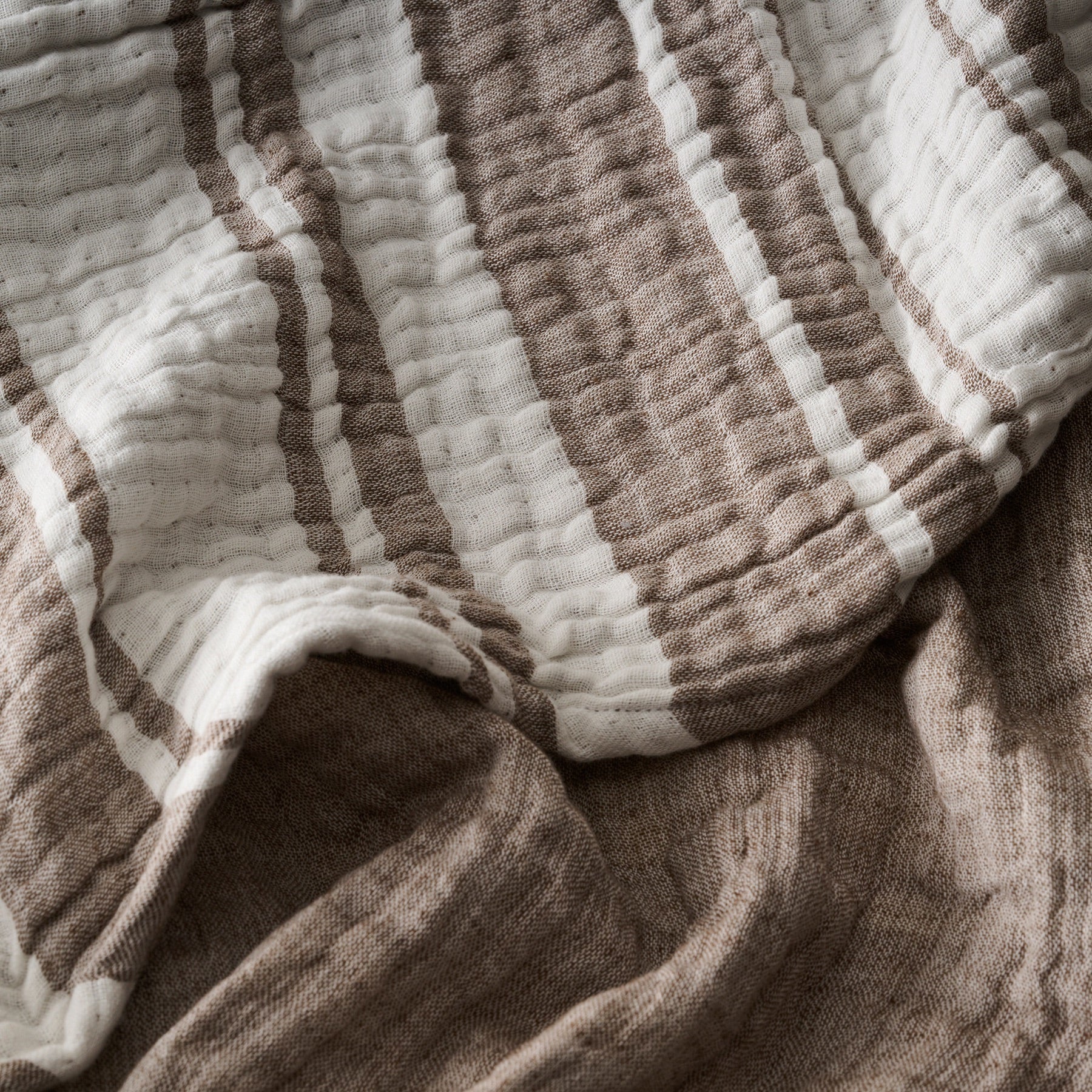
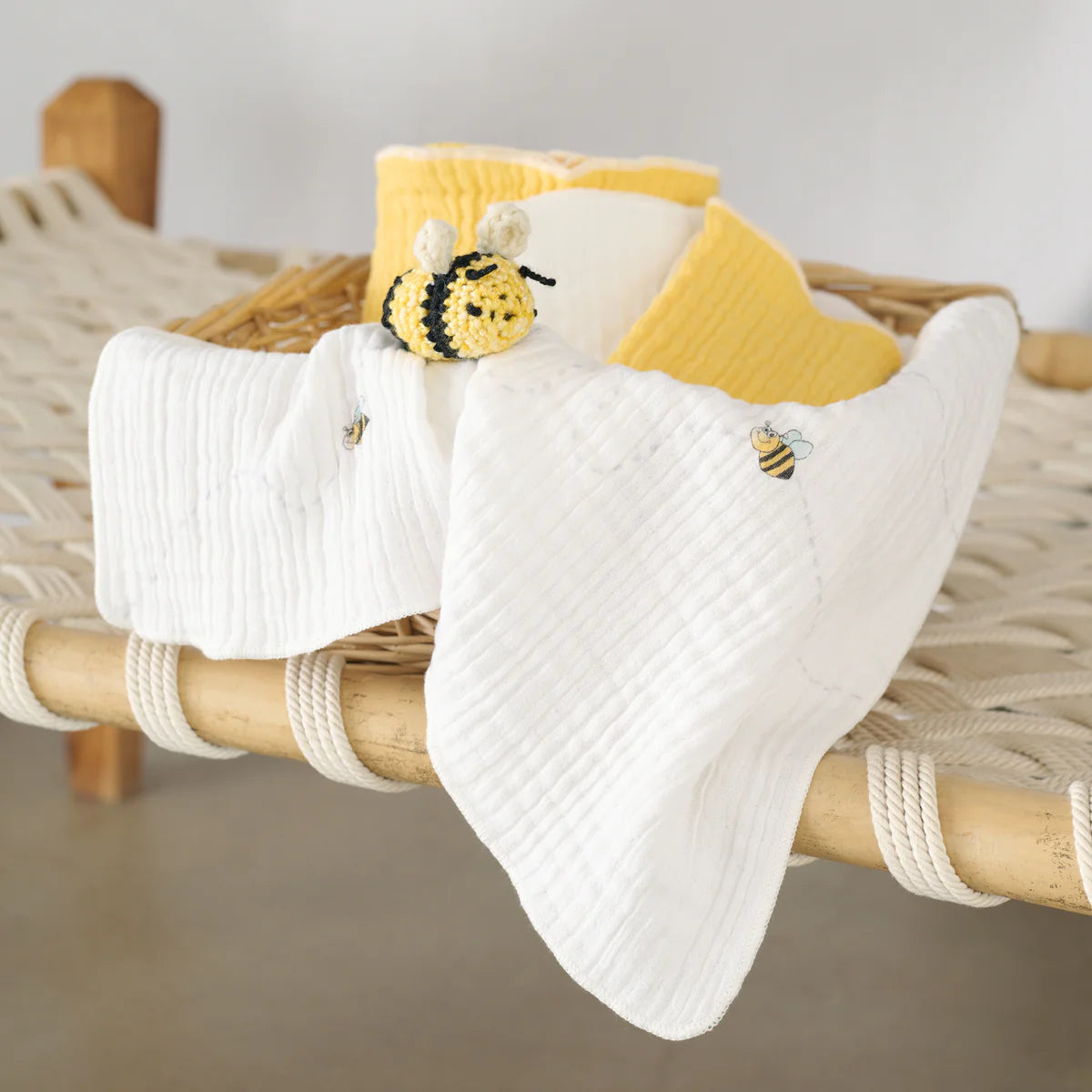
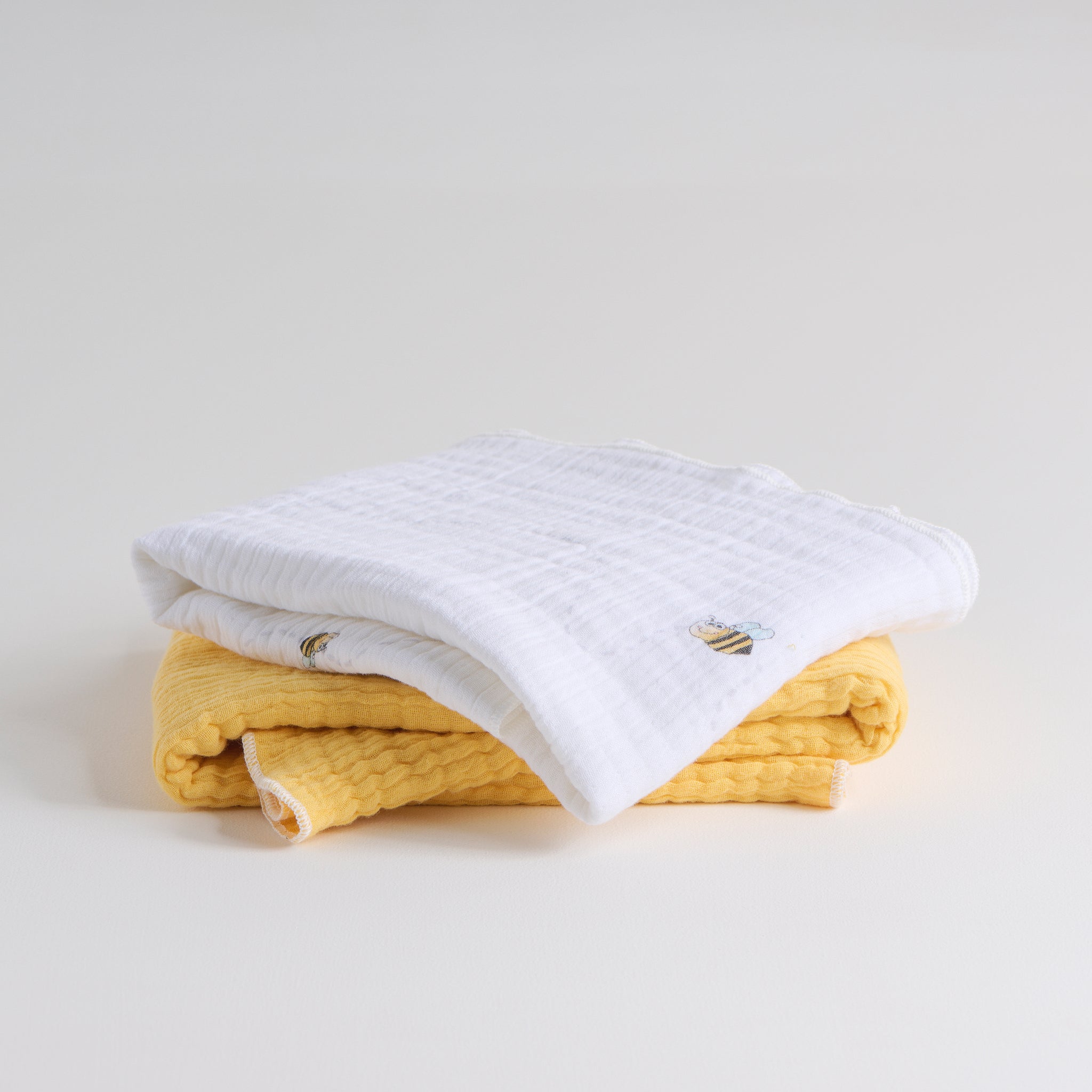
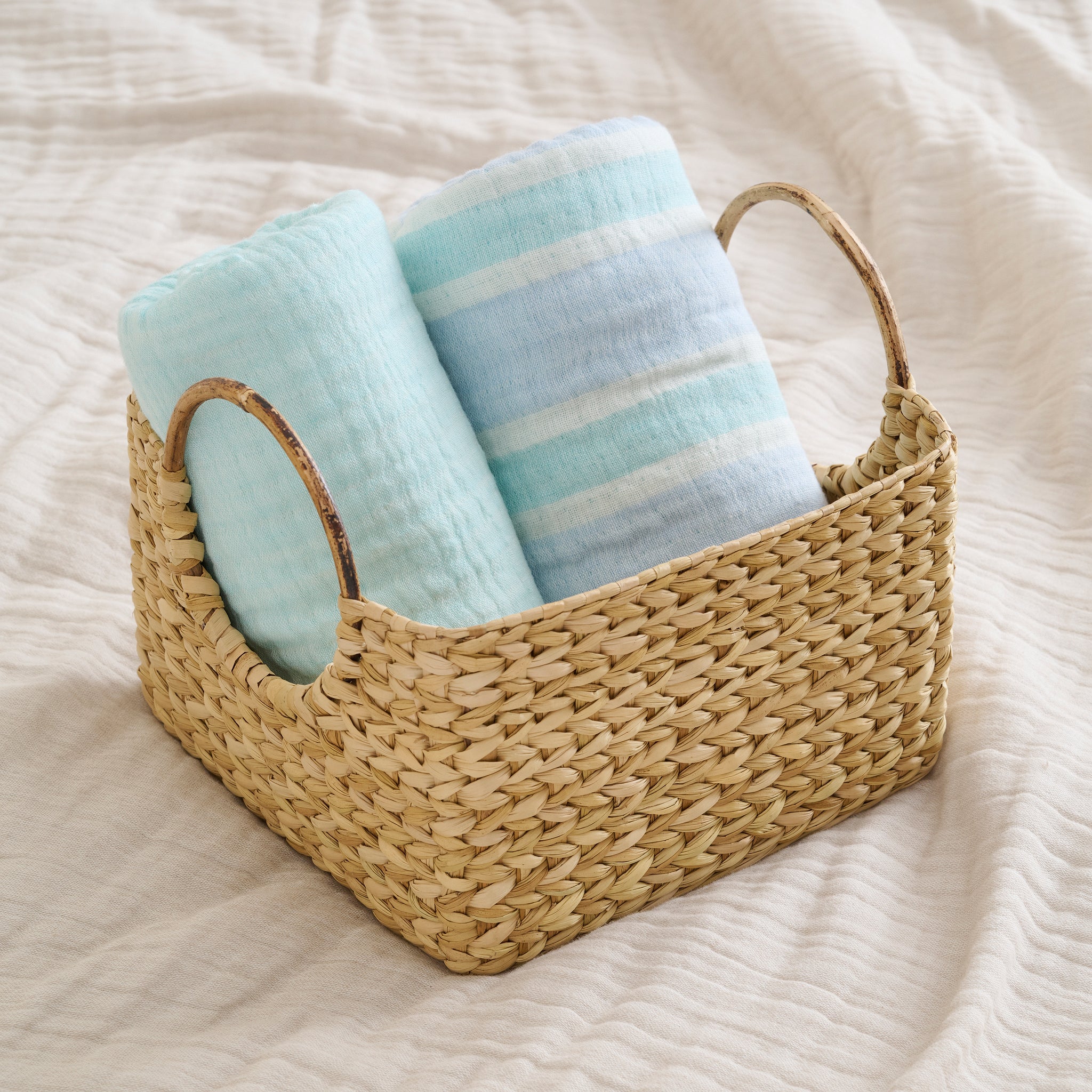
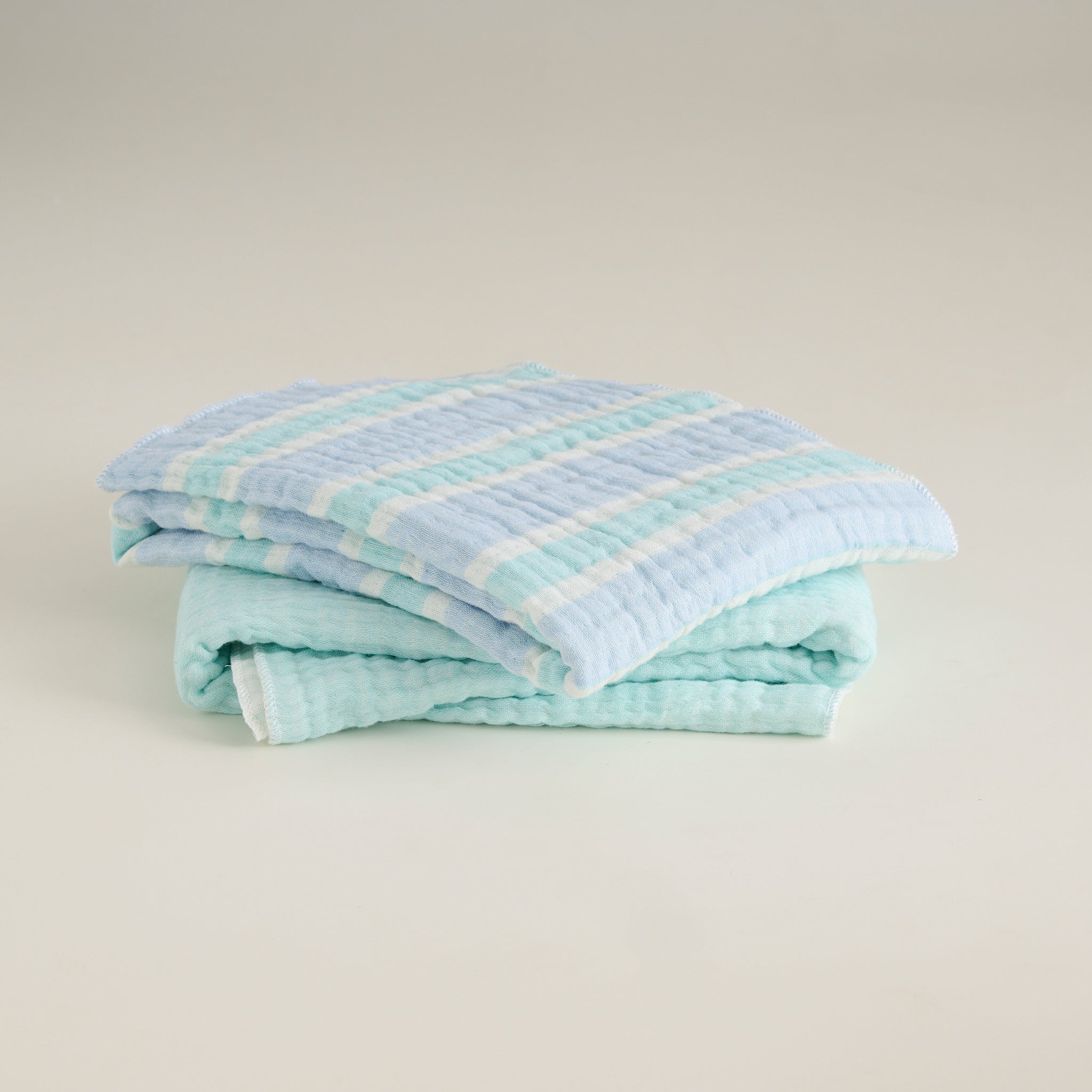
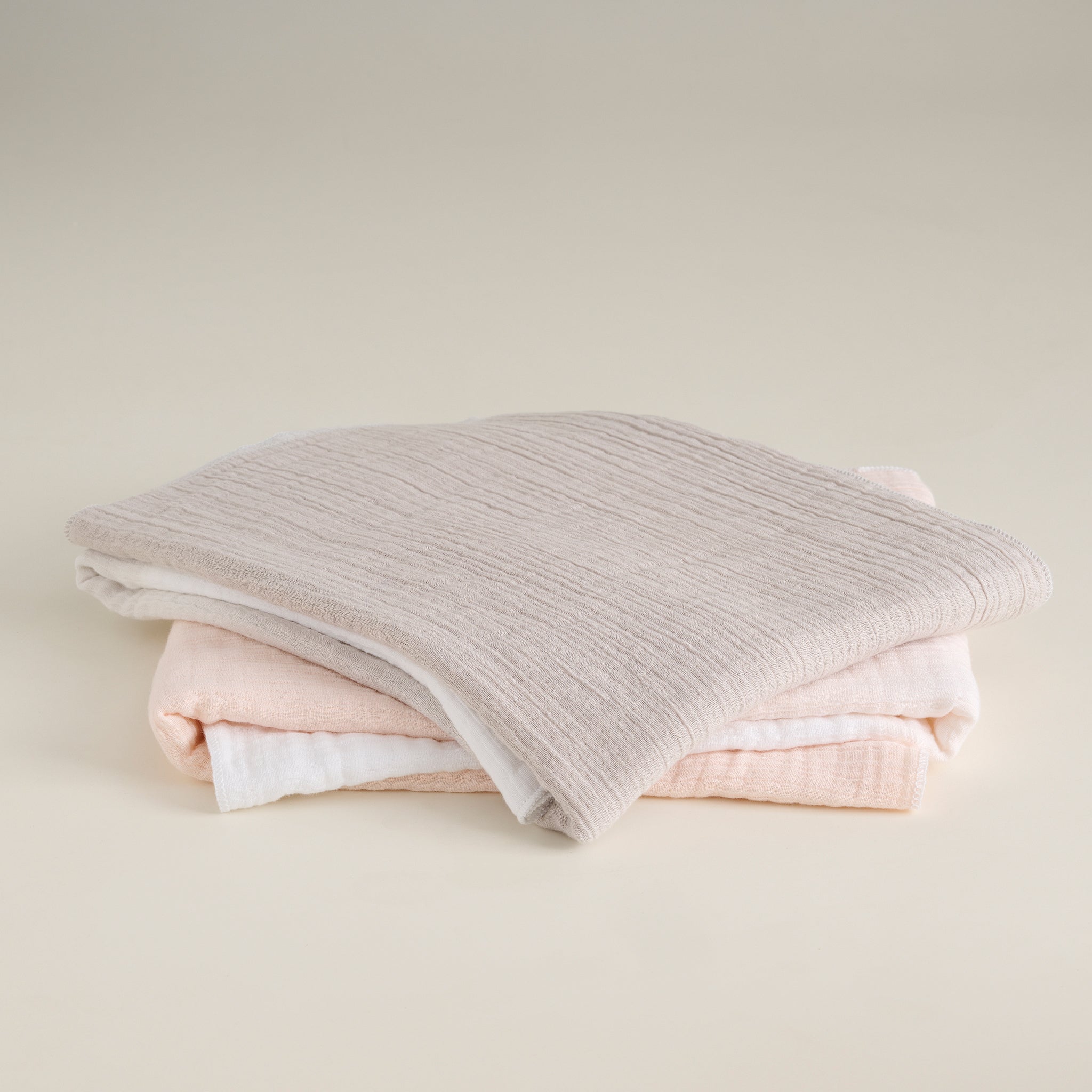
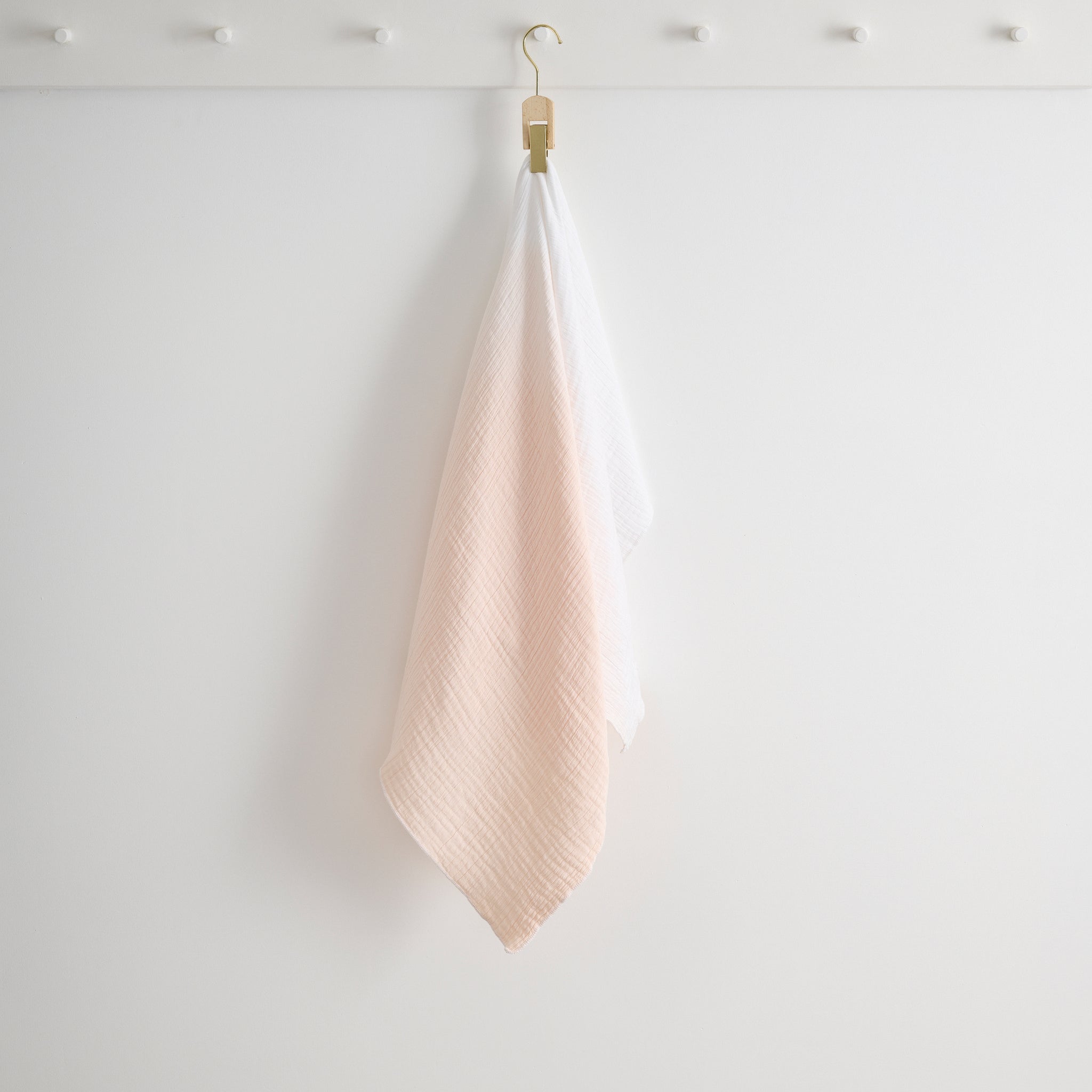
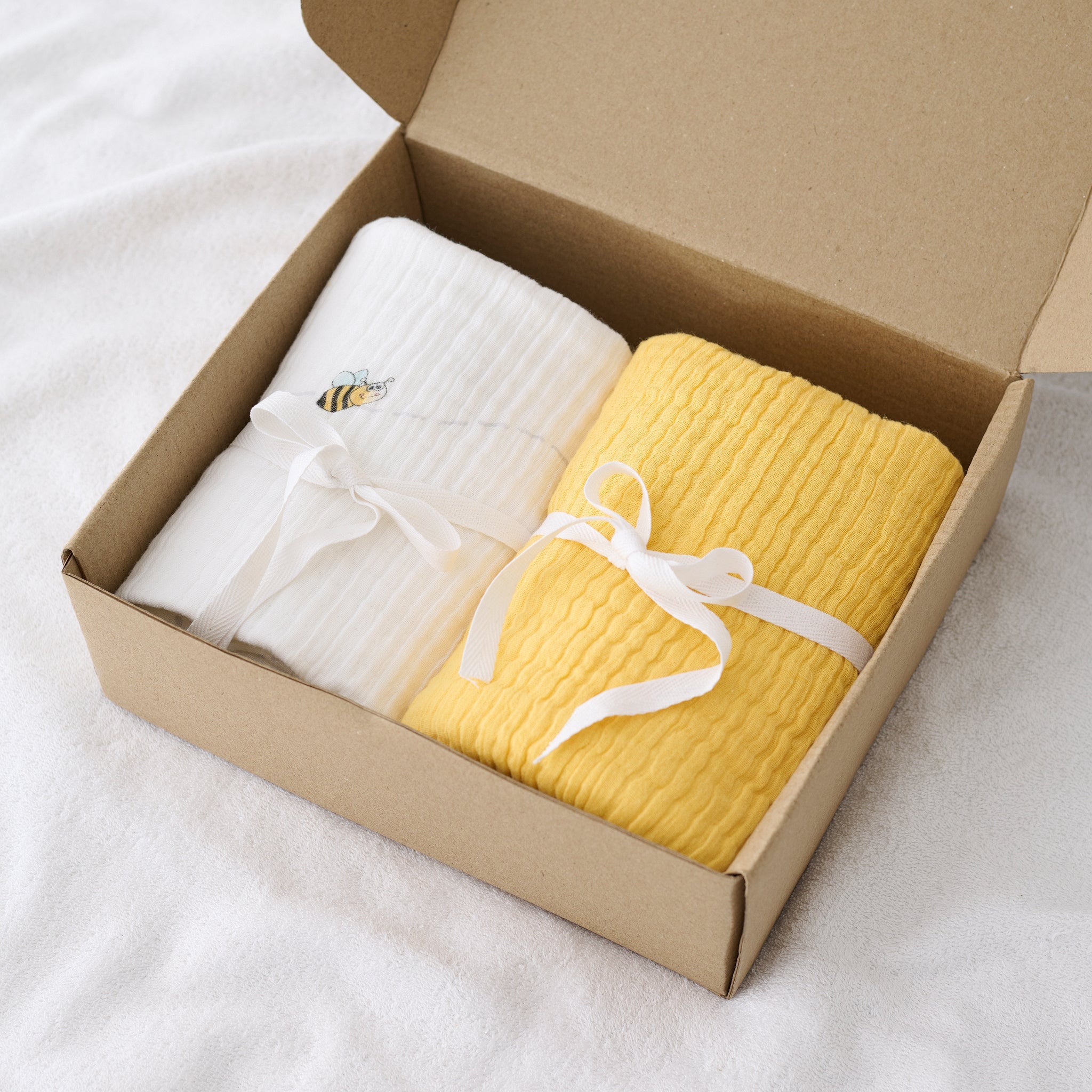
Gauze
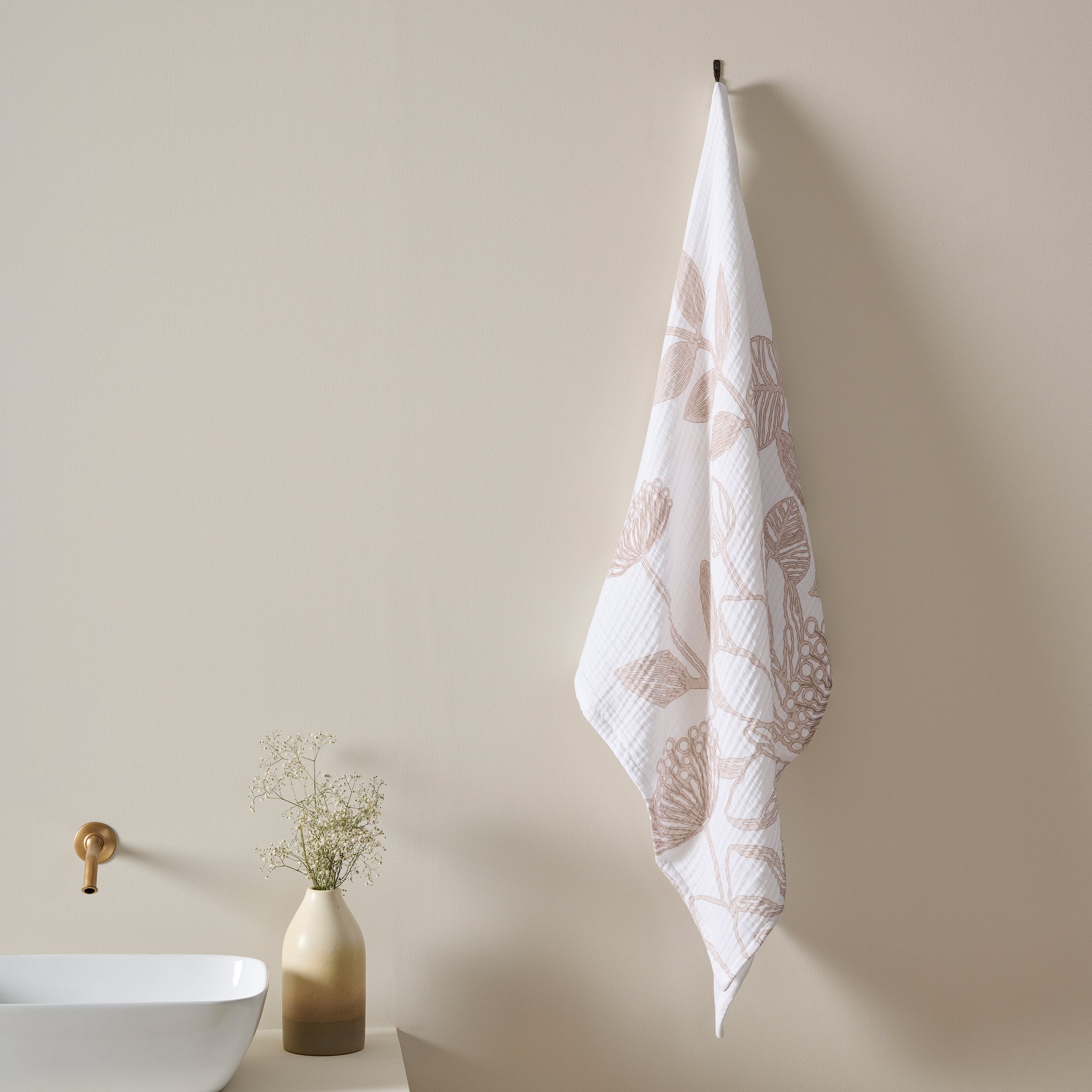
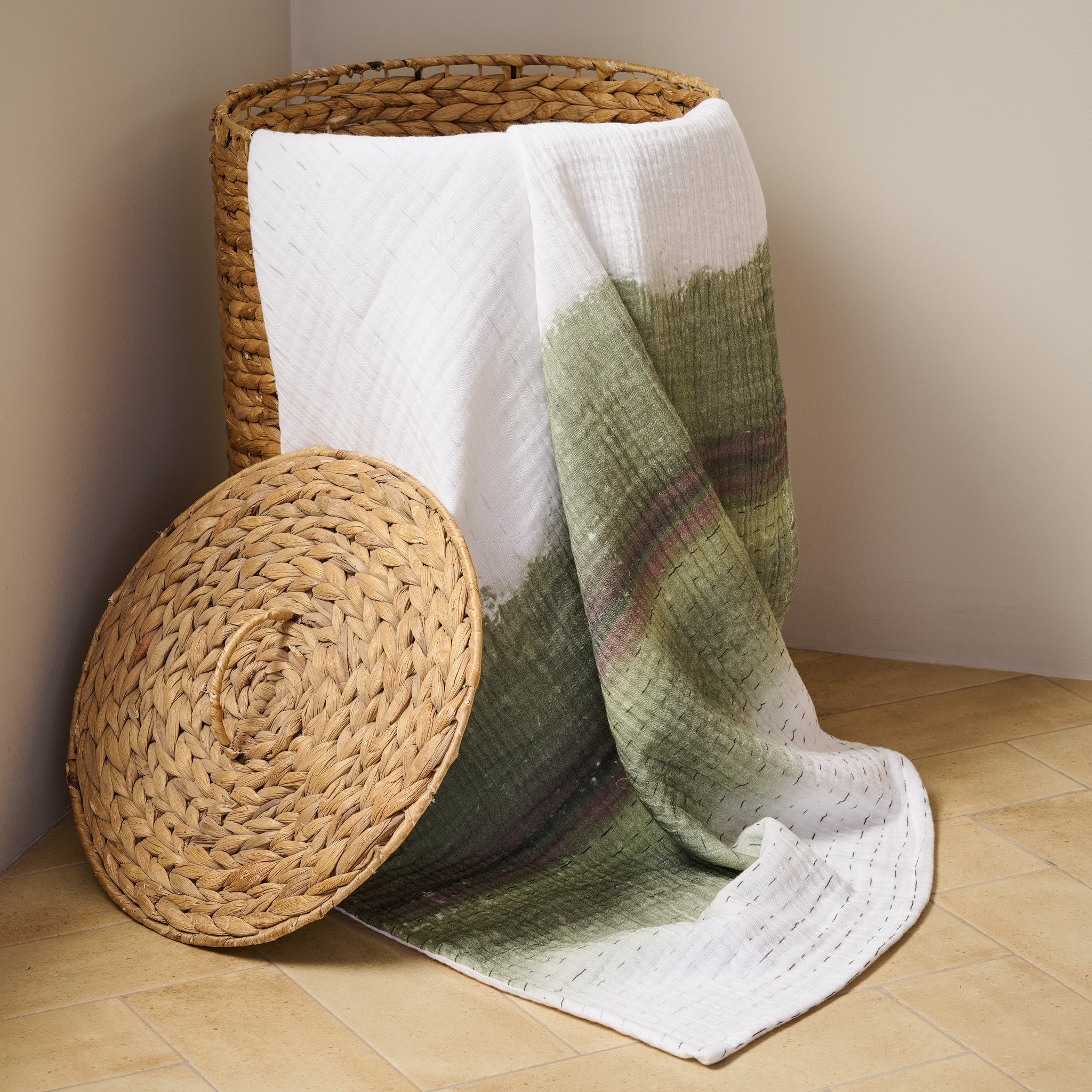
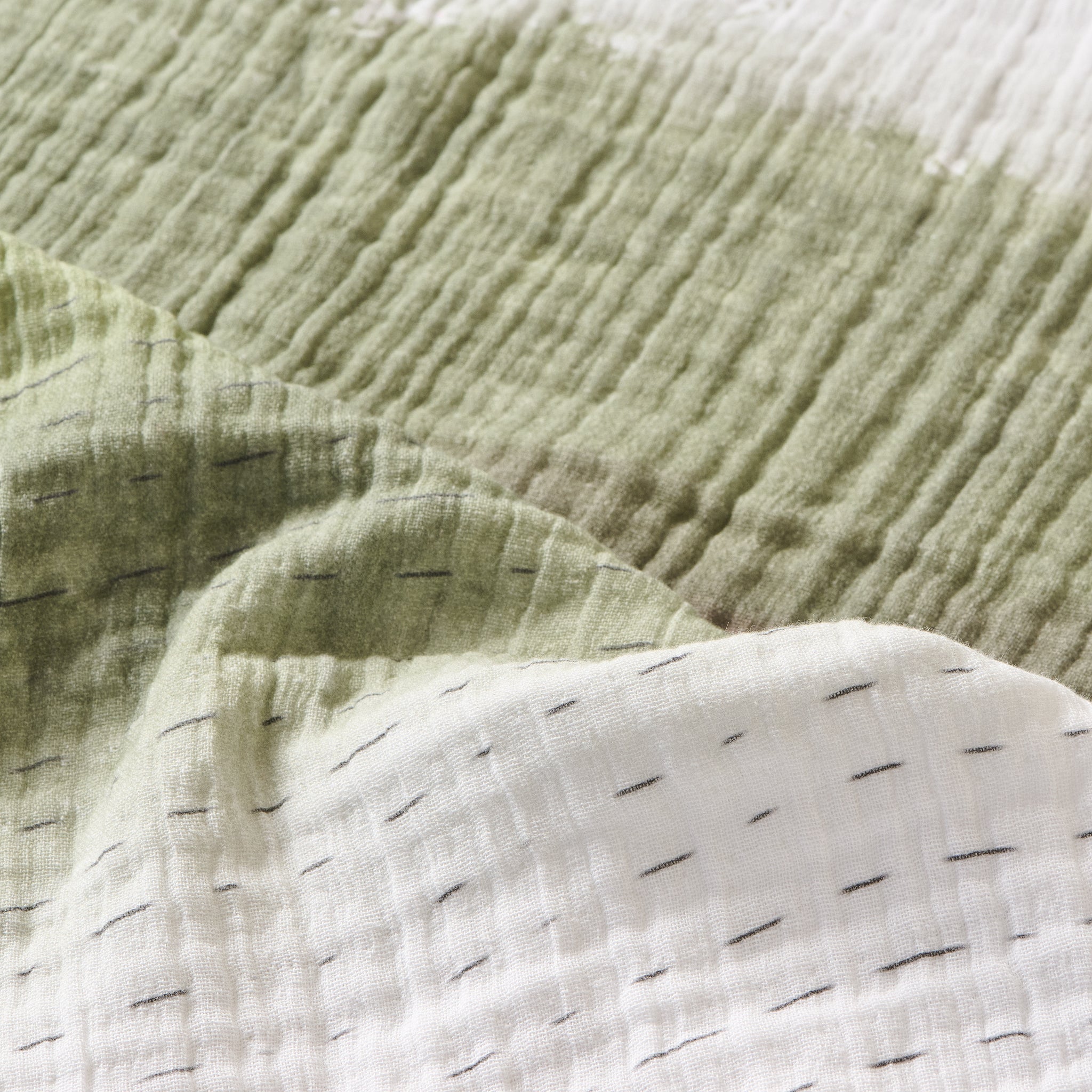
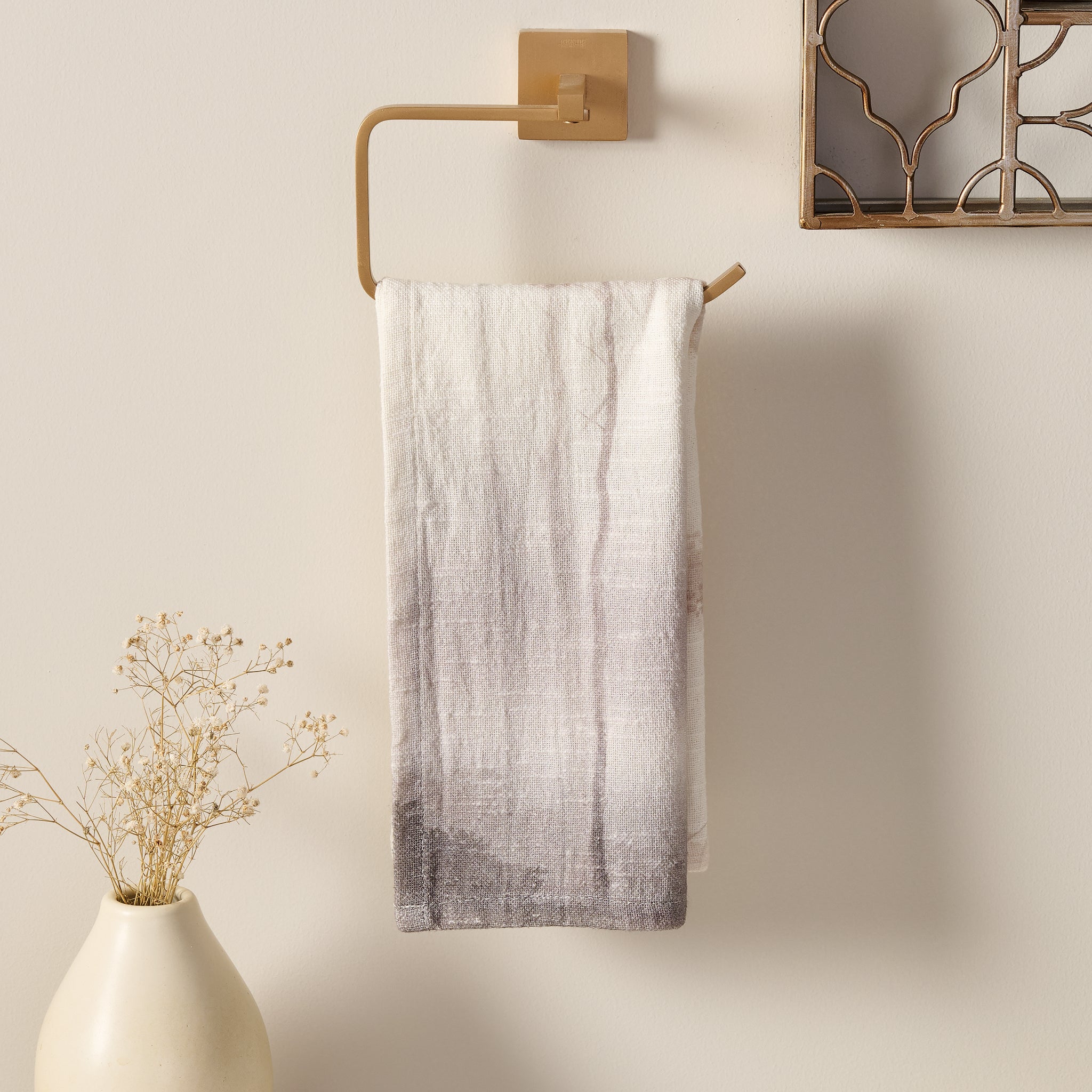
Gauze has a light, open construction with a soft, breathable quality. Its naturally crinkled surface folds easily, dries well, and sits gently against the skin. Gauze towels are especially suited to everyday use when you want bath linen that is light, relaxed, and easy to handle.
Weaves and Benefits
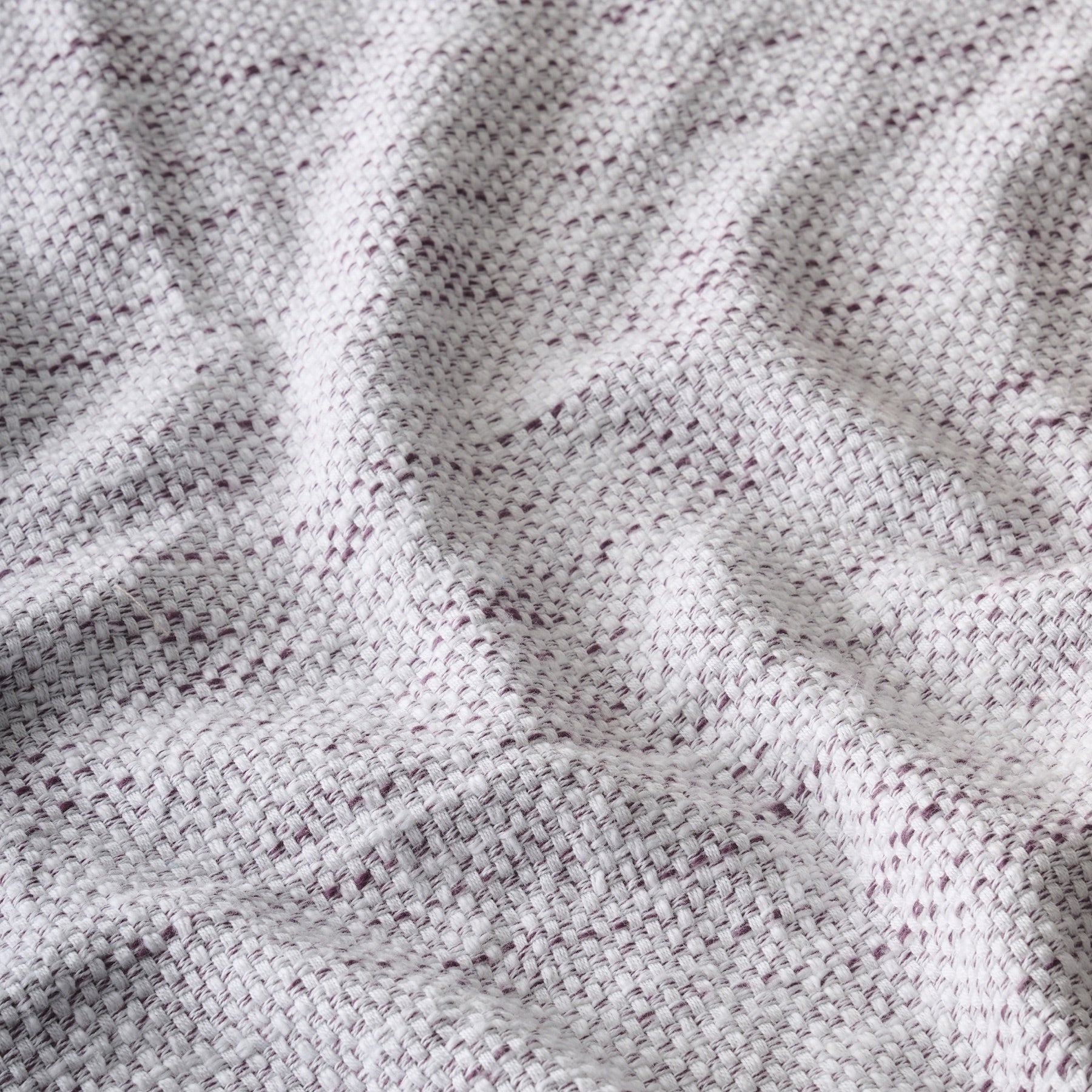
Slub
Slub fabric is made with yarns that have small natural irregularities along their length. When woven into a towel, these variations create a surface with subtle texture and movement. The result is a towel with a relaxed, tactile quality, a less uniform surface, and a more natural character.
Composition
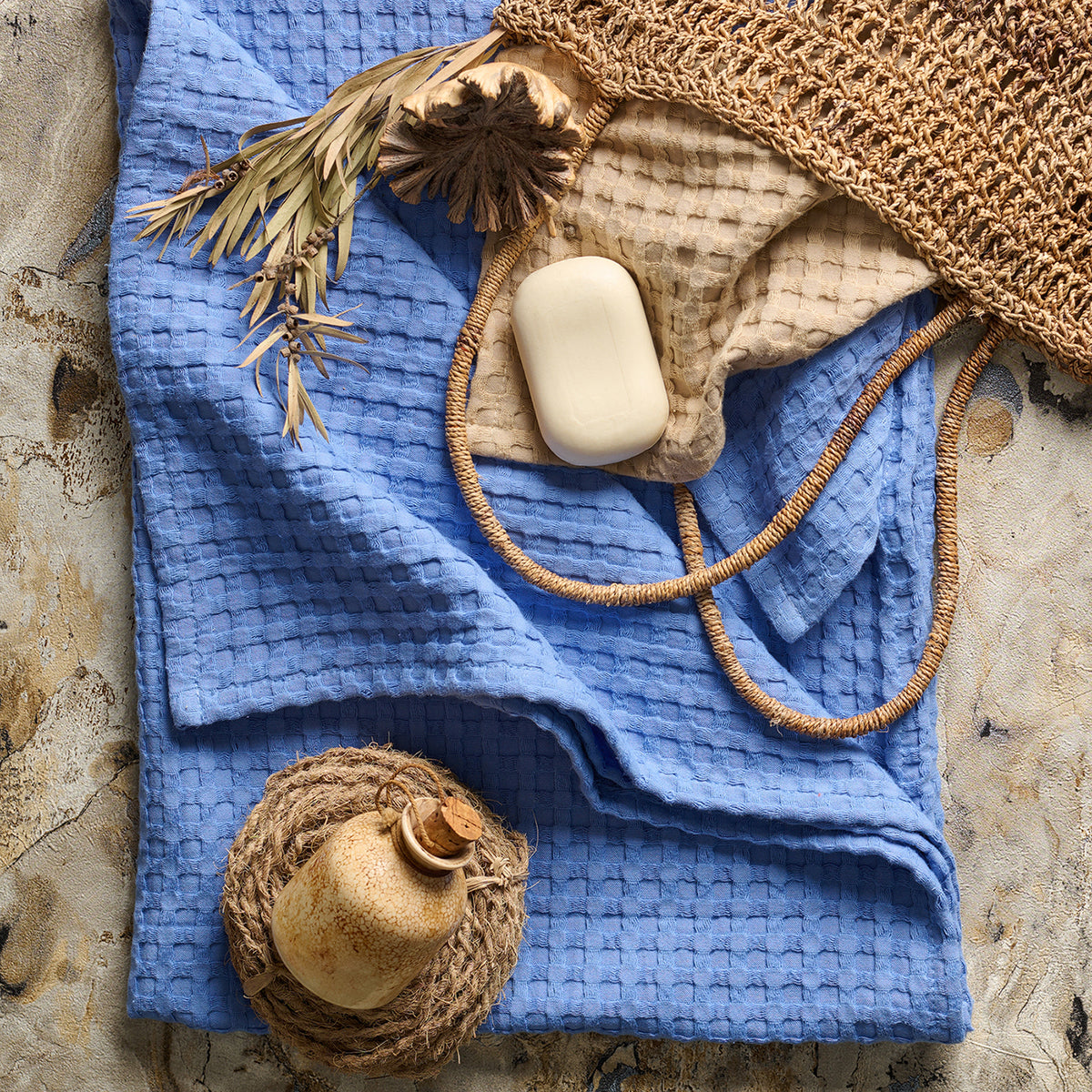
Cotton
Cotton is chosen for bath linen because it withstands the demands of the bathroom. It can be washed often, used repeatedly, and kept in steady rotation without feeling precious. It brings the familiar comfort people expect from bathroom textiles, while allowing colour, weave, and surface detail to come through clearly.
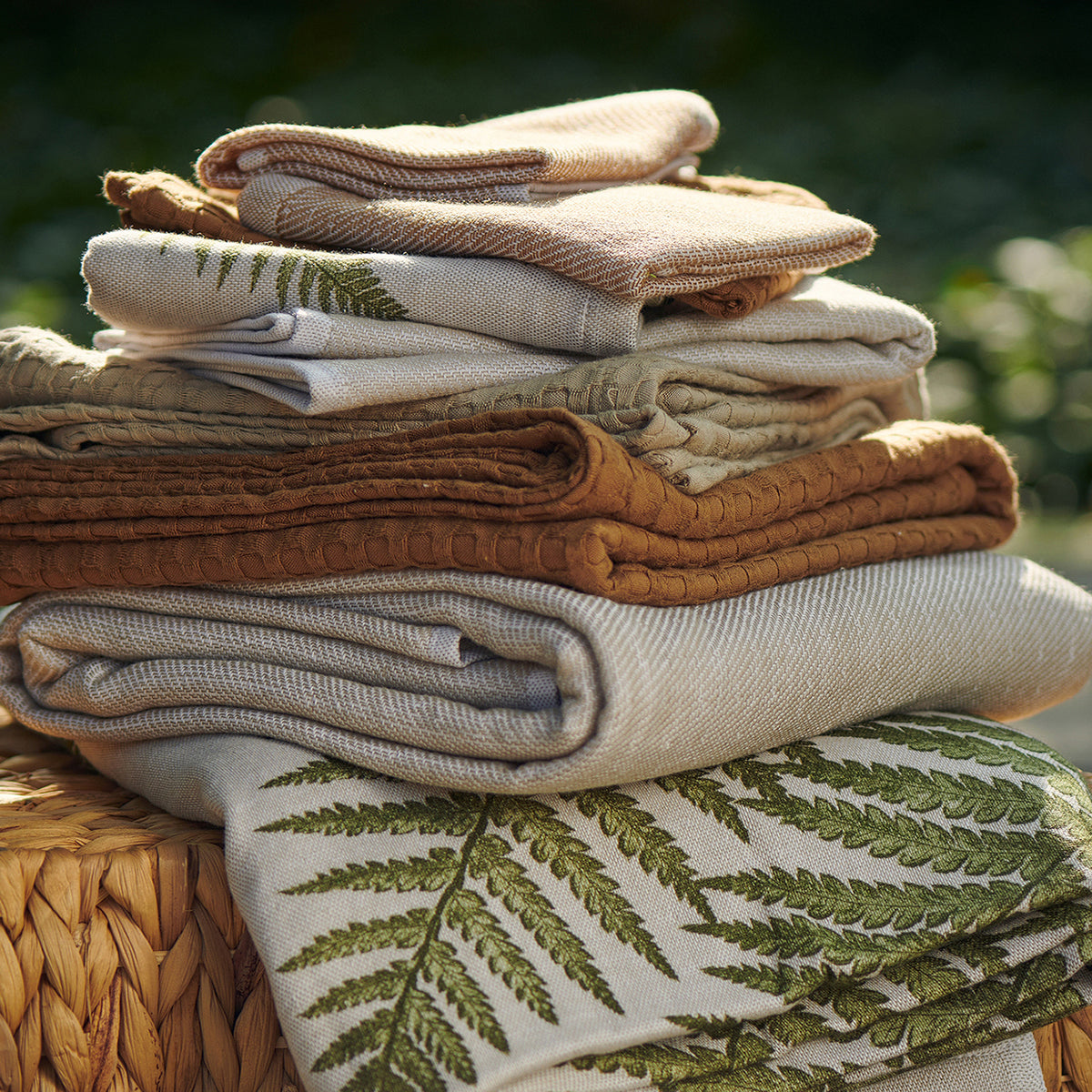
Cotton Bamboo
Cotton bamboo is used where the fabric needs a smoother hand and a more relaxed drape. It works well for towels, robes, and wraps because it rests close to the skin and moves naturally with the body. The blend gives bath linen a softer, more fluid quality while staying practical for regular use.
Bestsellers


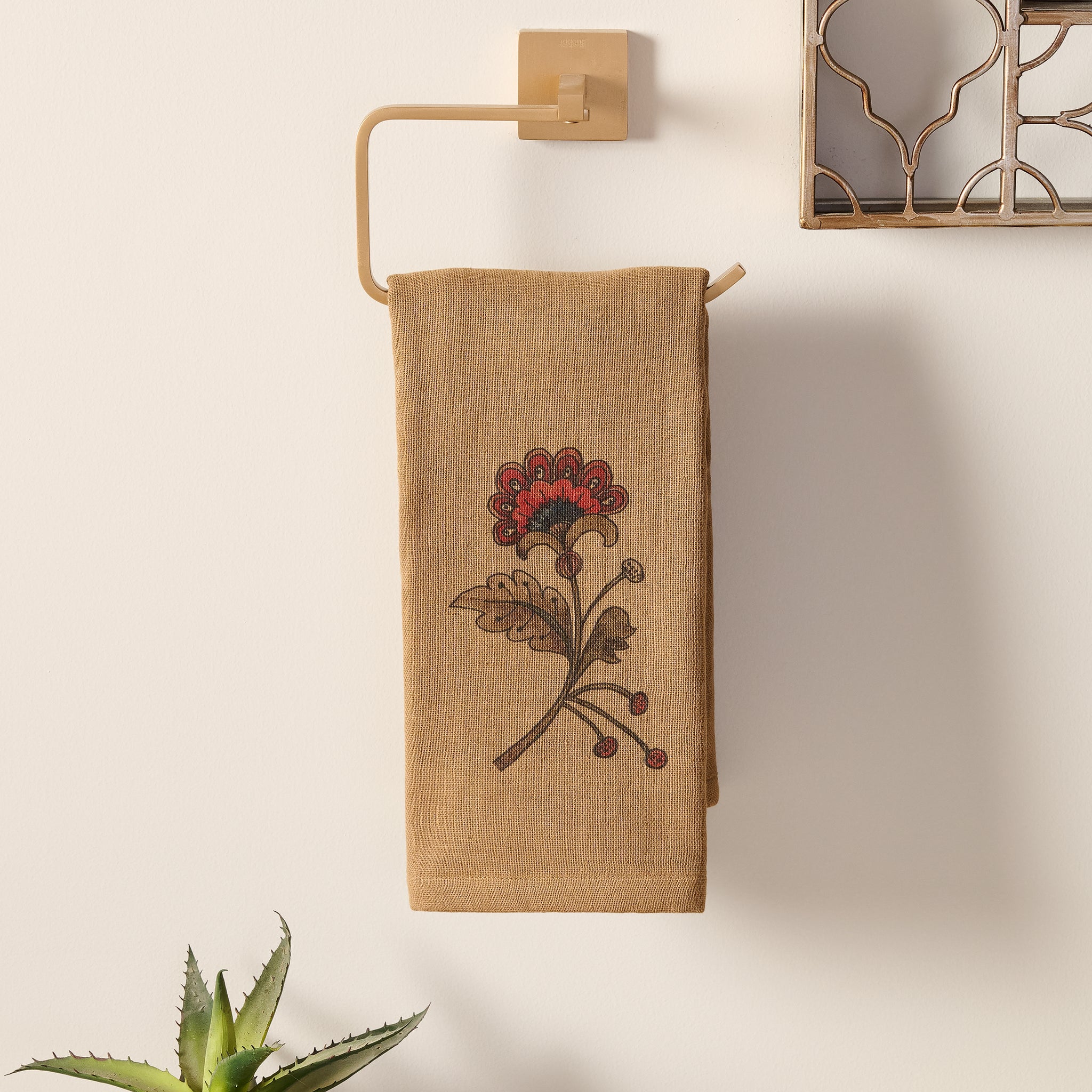
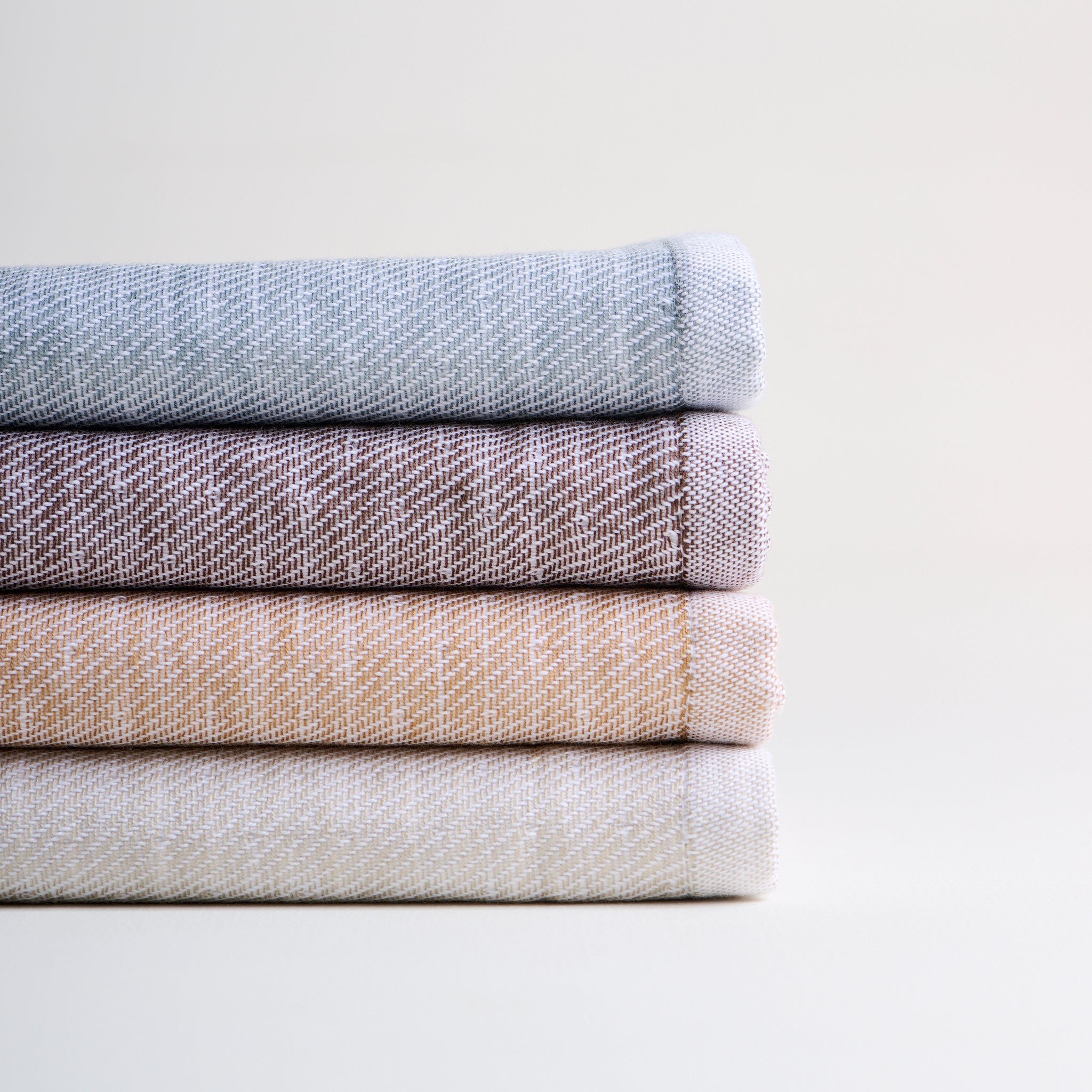
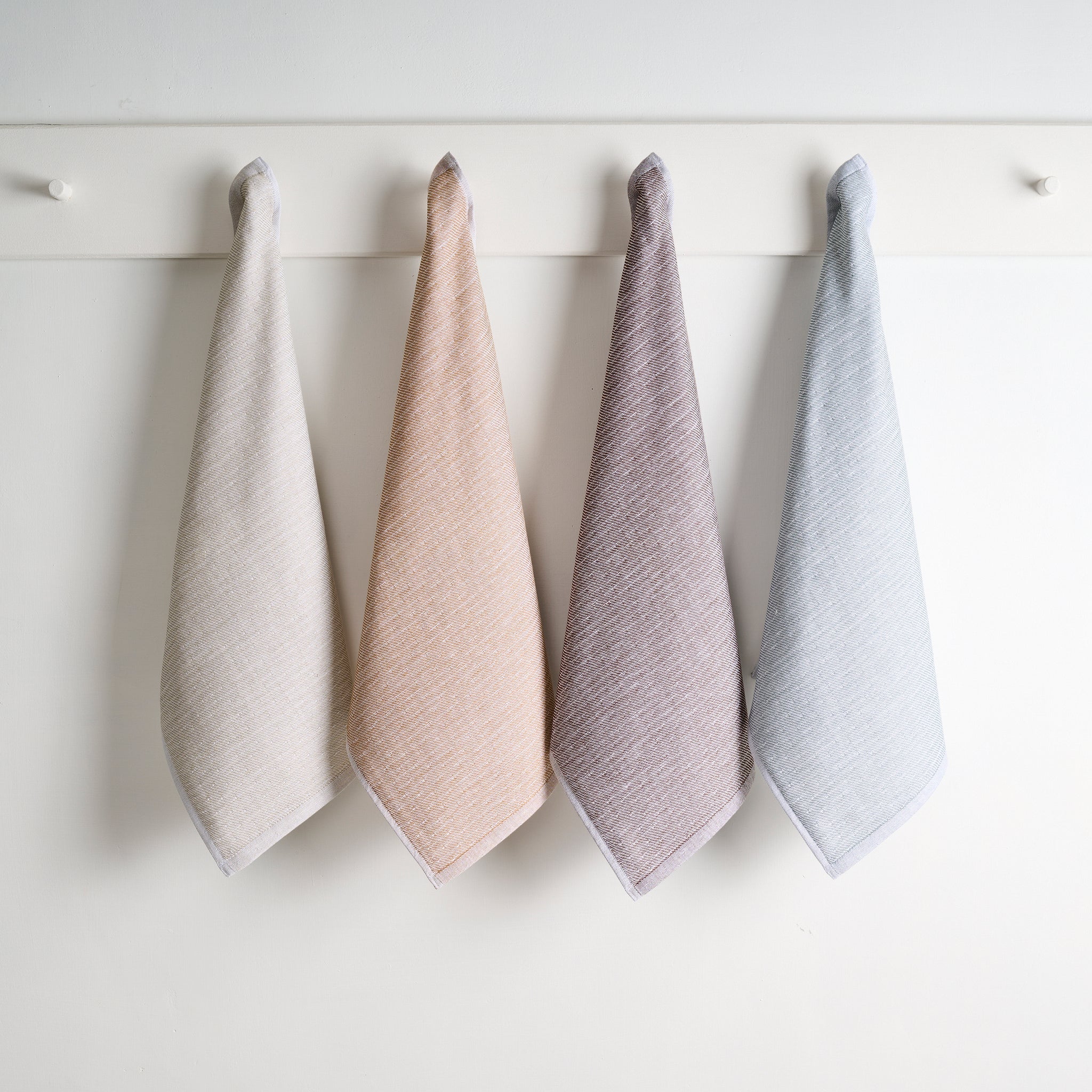
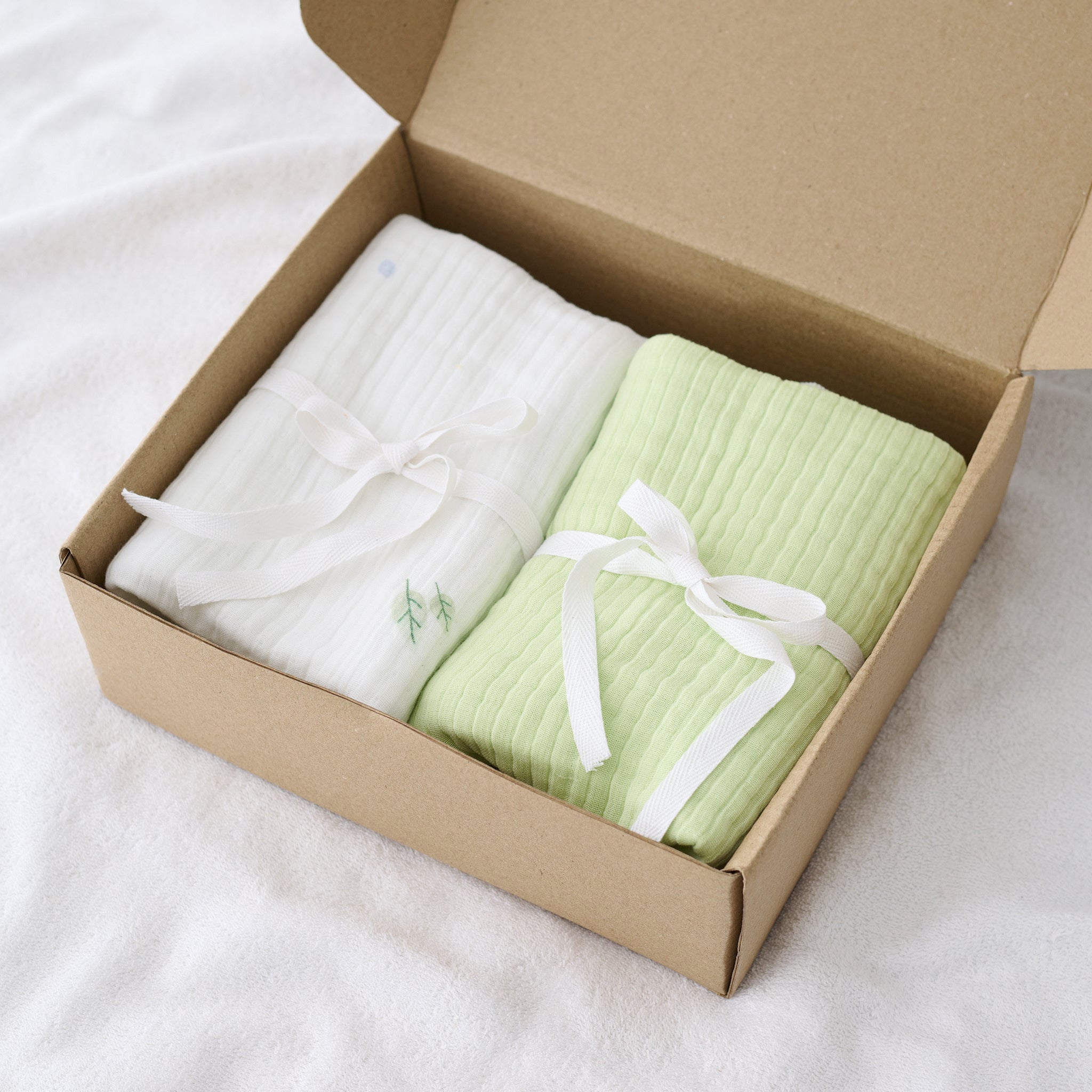
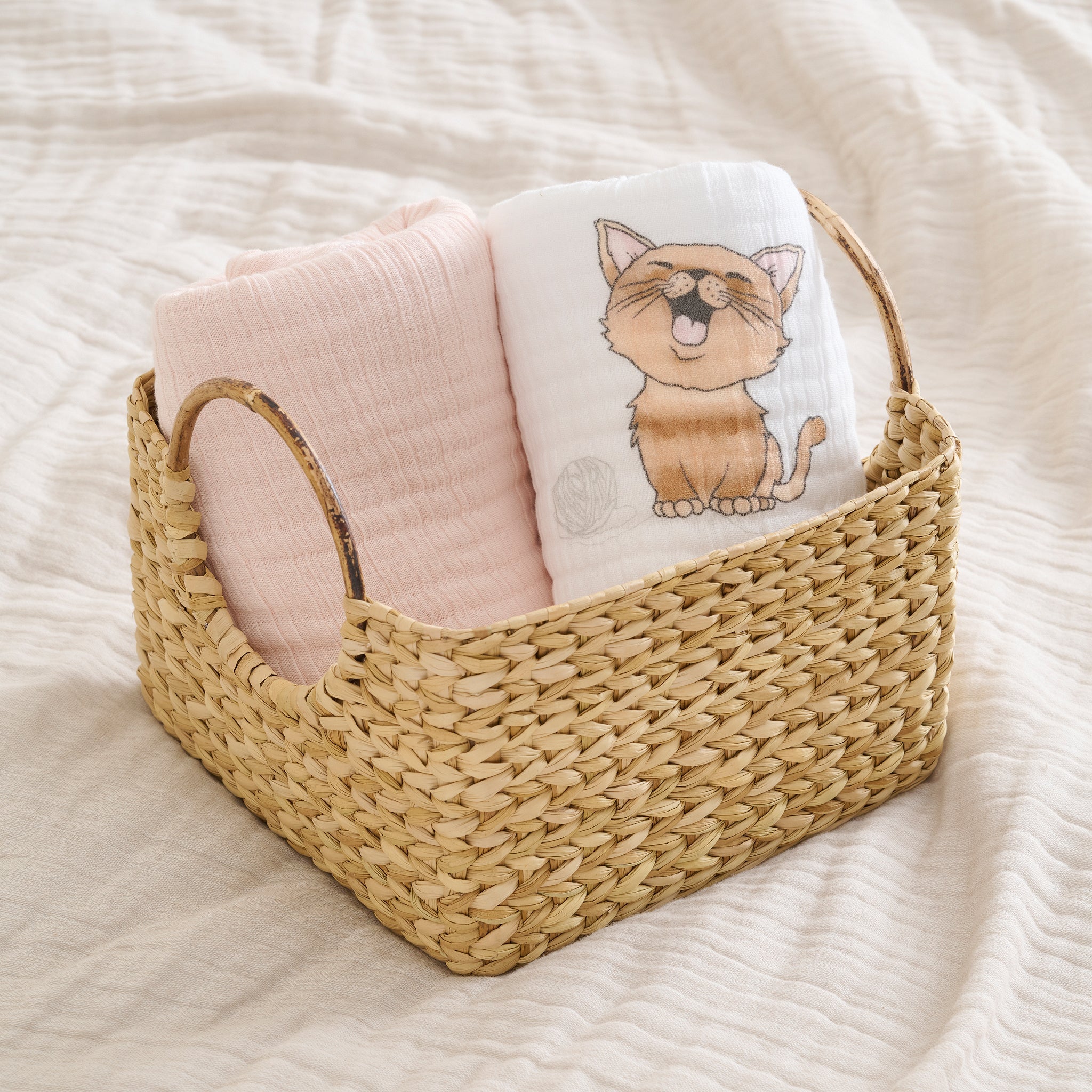
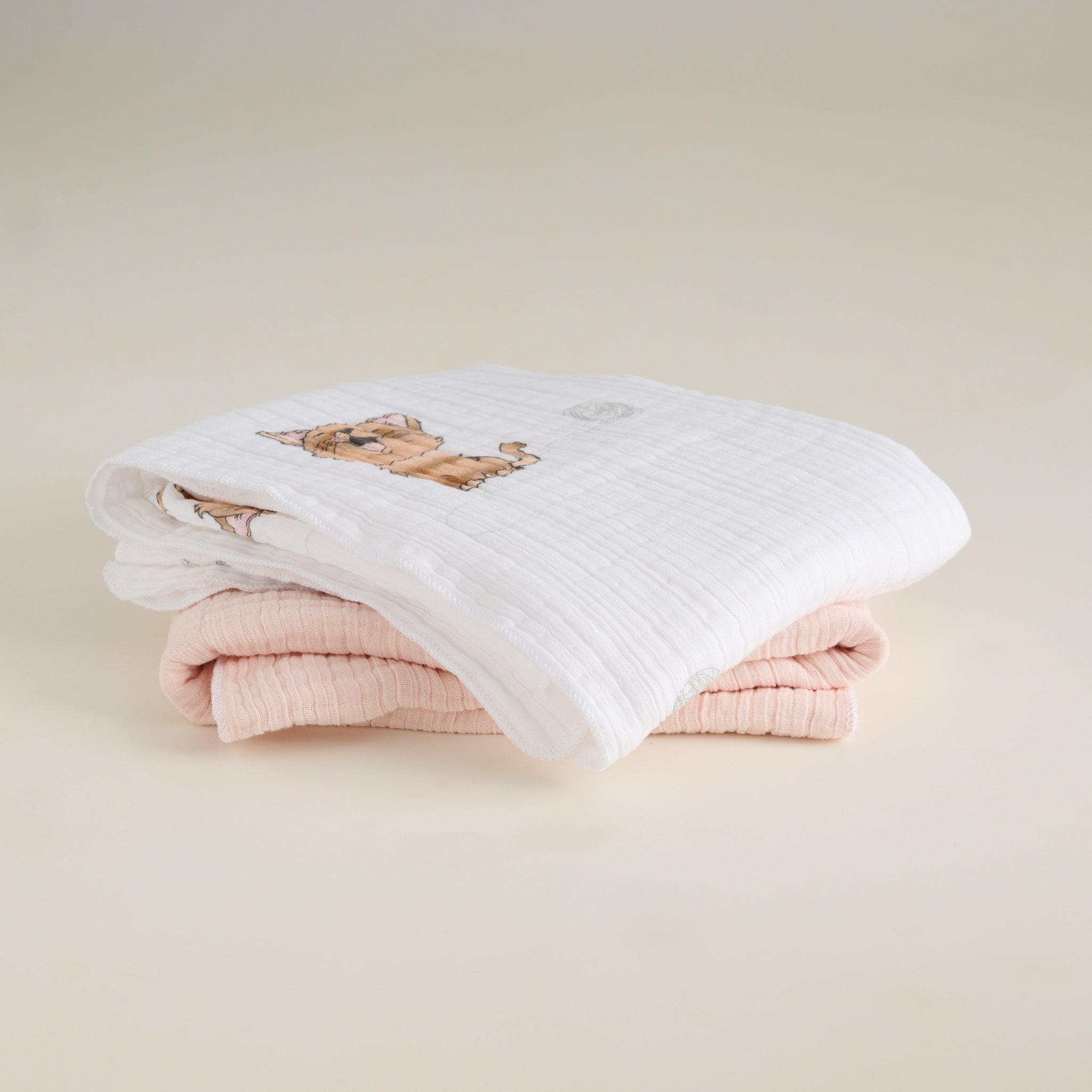
Making of the Products
1. Sourcing the Yarn
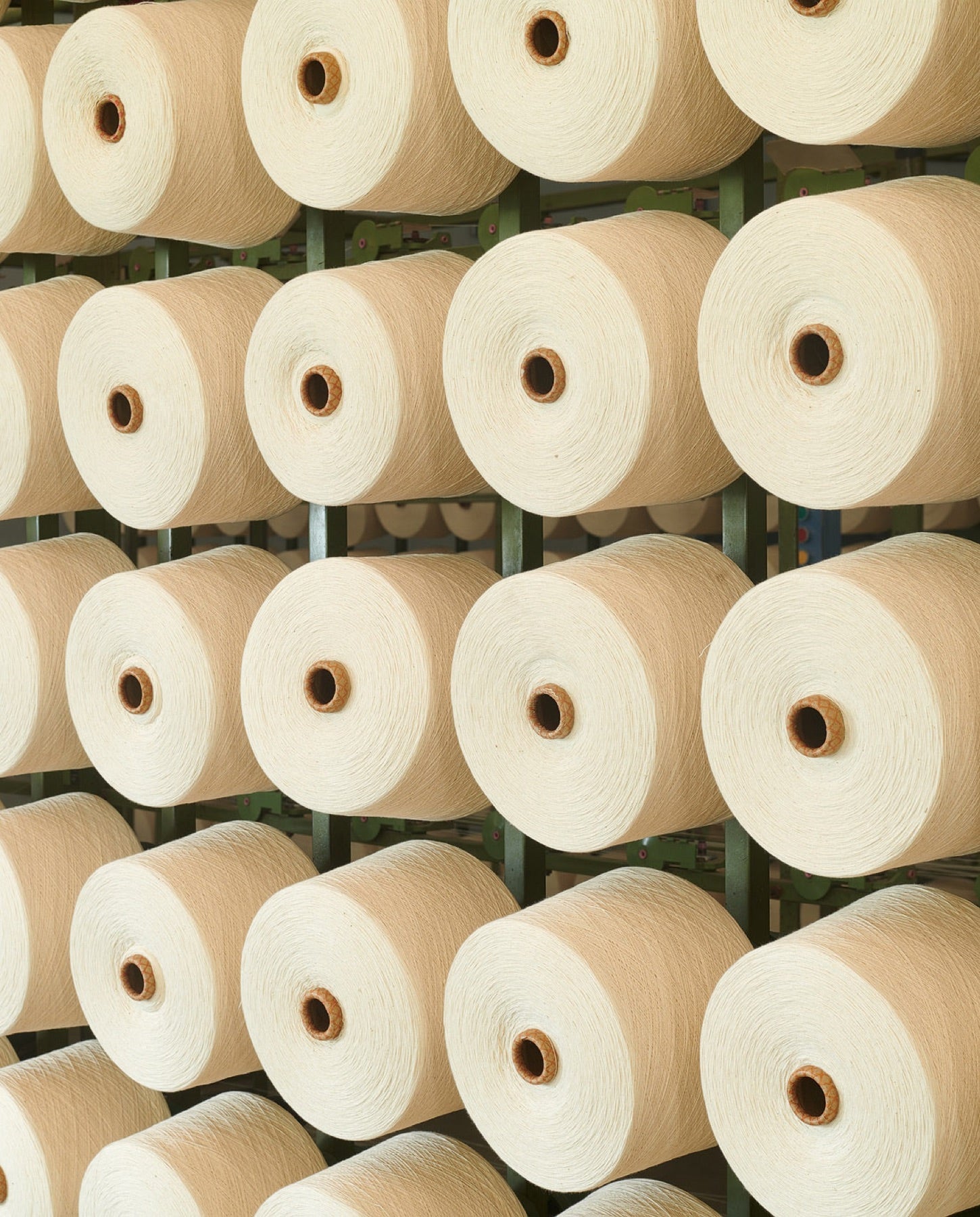
Our process begins with locally sourced yarn. We source yarn from certified mills in Tamil Nadu, all within a 200 km radius of our facility, helping us maintain a minimal carbon footprint while supporting local businesses.
We use only natural fibres such as cotton, bamboo, and linen. Bamboo and linen are procured from Pallipalayam, Erode, just 75 km from Karur. The fibre from bamboo pulp is blended with cotton fibre, as is the linen, creating high-quality, eco-friendly yarn.
2. Yarn Dyeing
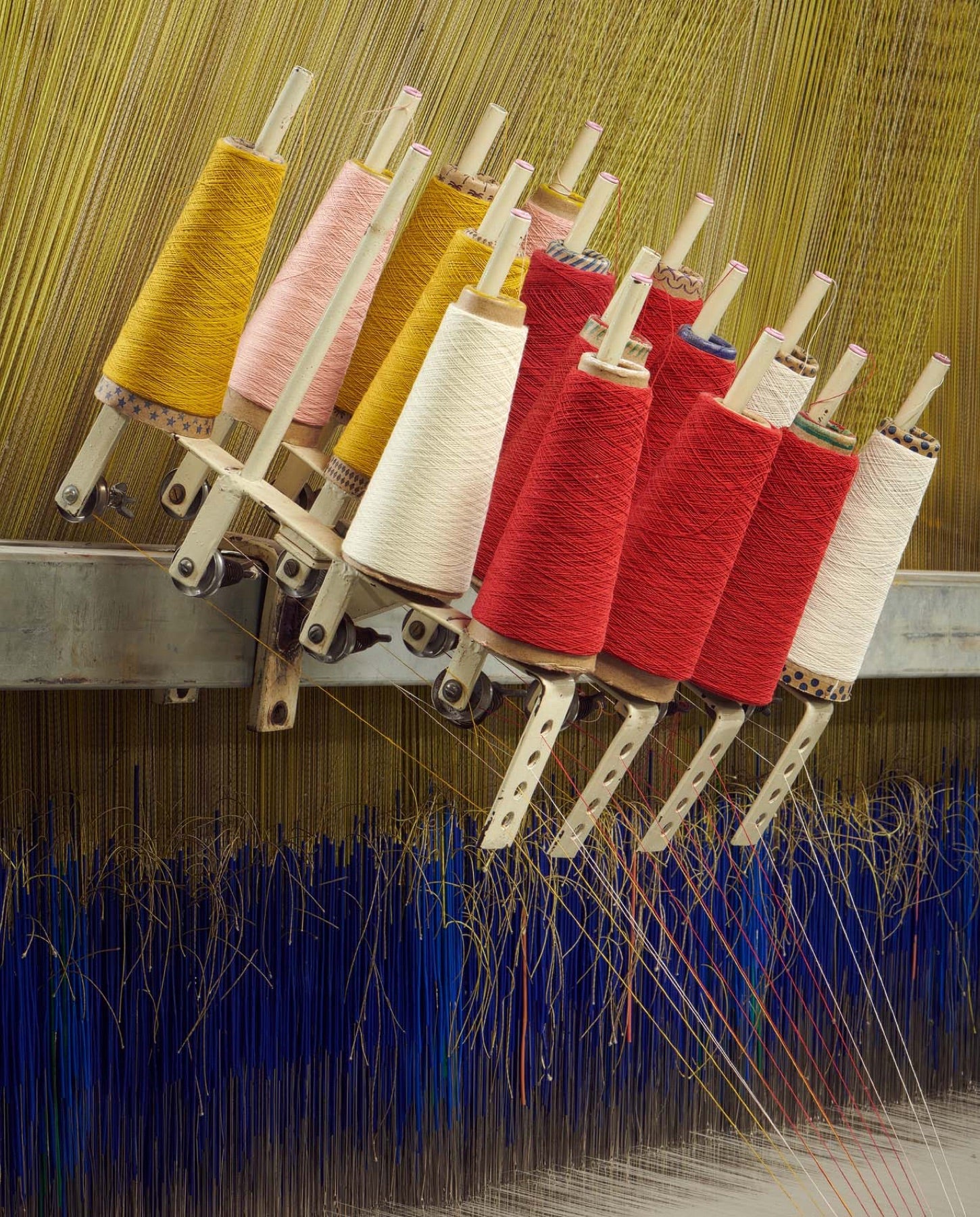
The yarn is dyed using Azo-free dyes, which are non-toxic and safe for both the environment and end users.
Our dyeing process operates on a closed-circuit water supply system that recycles 97% of the water used. With four stages of Reverse Osmosis (RO), the facility achieves zero effluent discharge. Rainwater harvesting is also practised as part of our broader water conservation efforts.
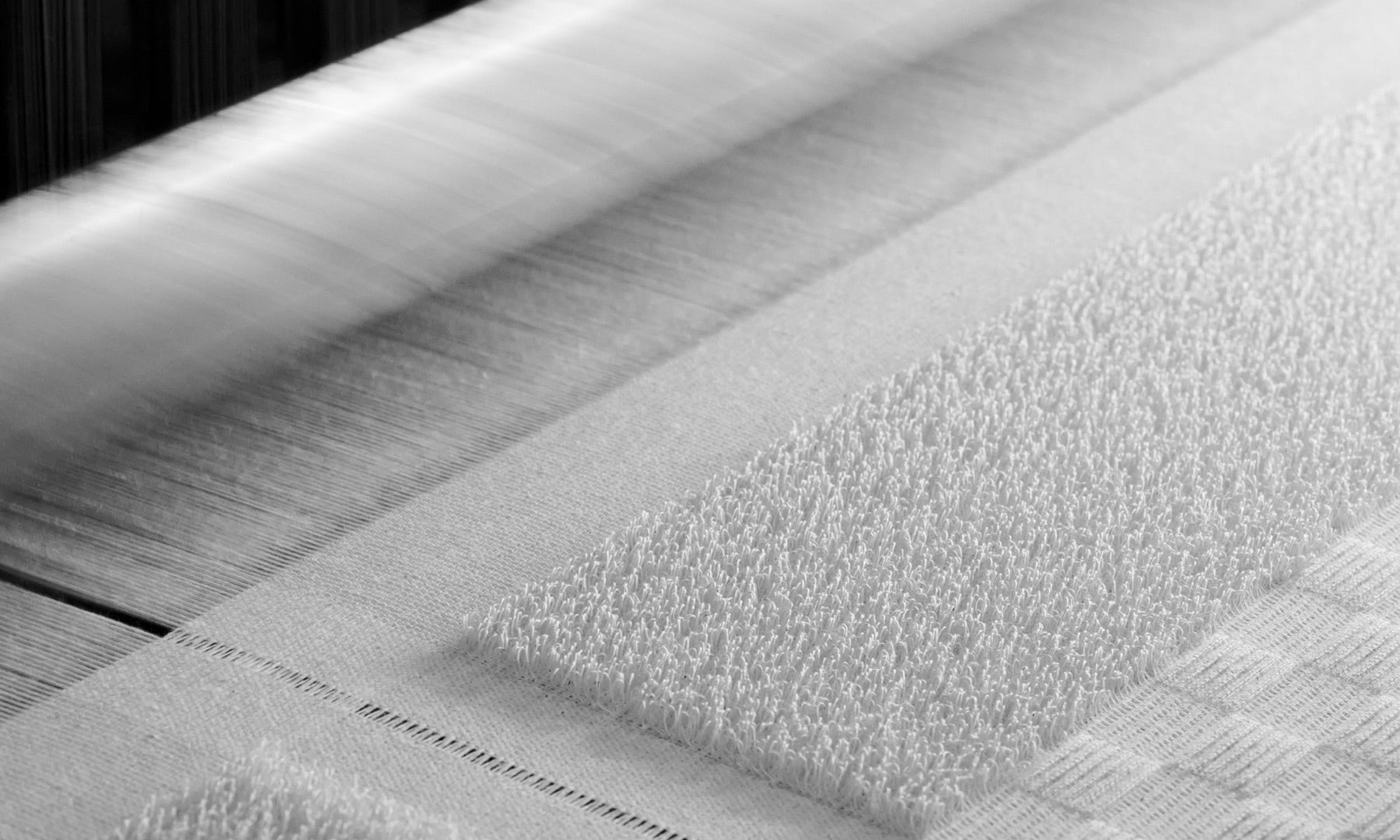
3. Weaving
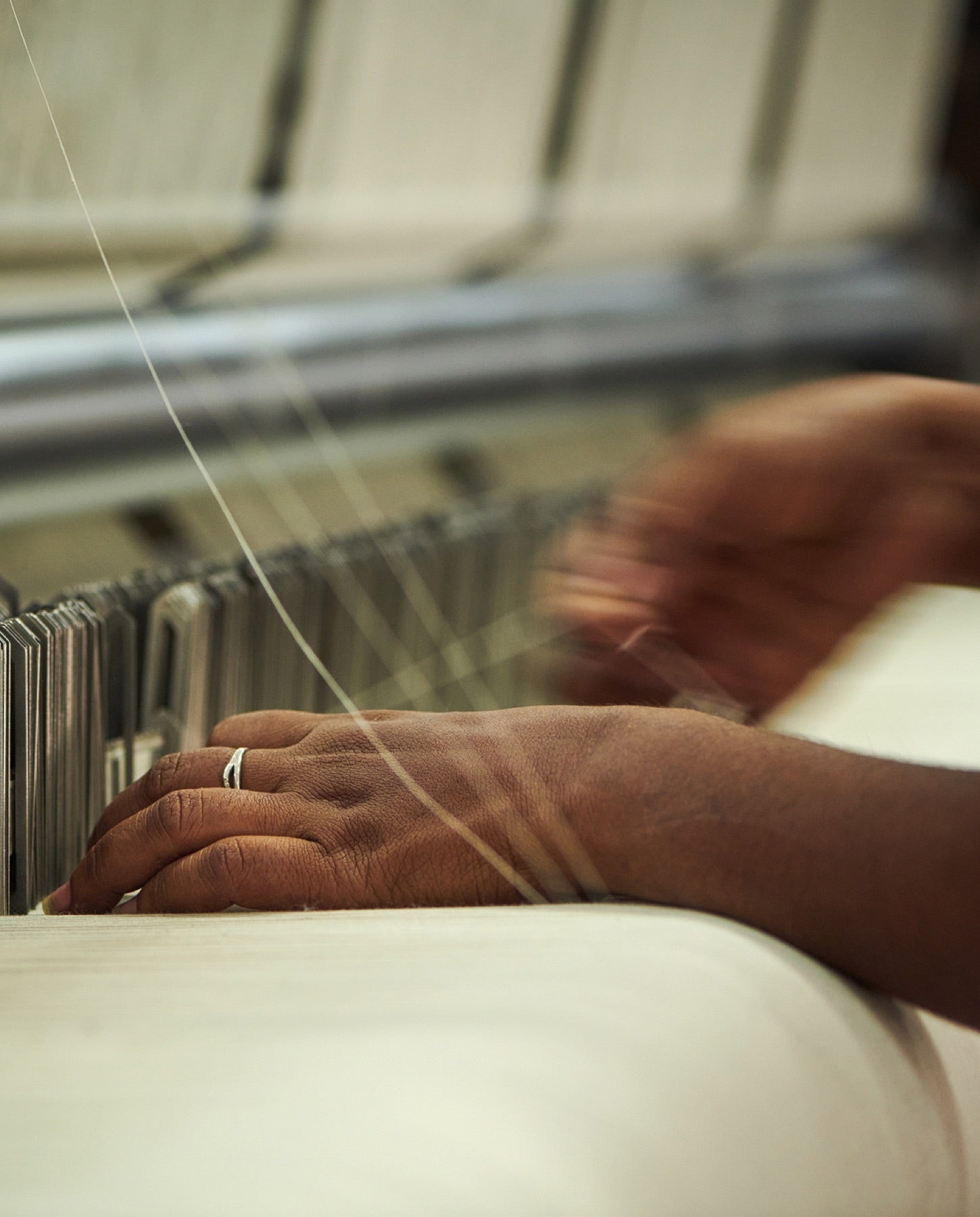
Once dyed, the yarn is woven in-house at our facility. Keeping the weaving process within our facility allows us to maintain close oversight of the fabric and the working environment. Our facility also holds certificates for social auditing, covering the workplace environment.
Our production is supported by a skilled team, with 80% of our workforce being women. The majority of our employees come from nearby communities, and we actively invest in their growth by providing opportunities to upskill and improve their craftsmanship.
4. Fabric Processing
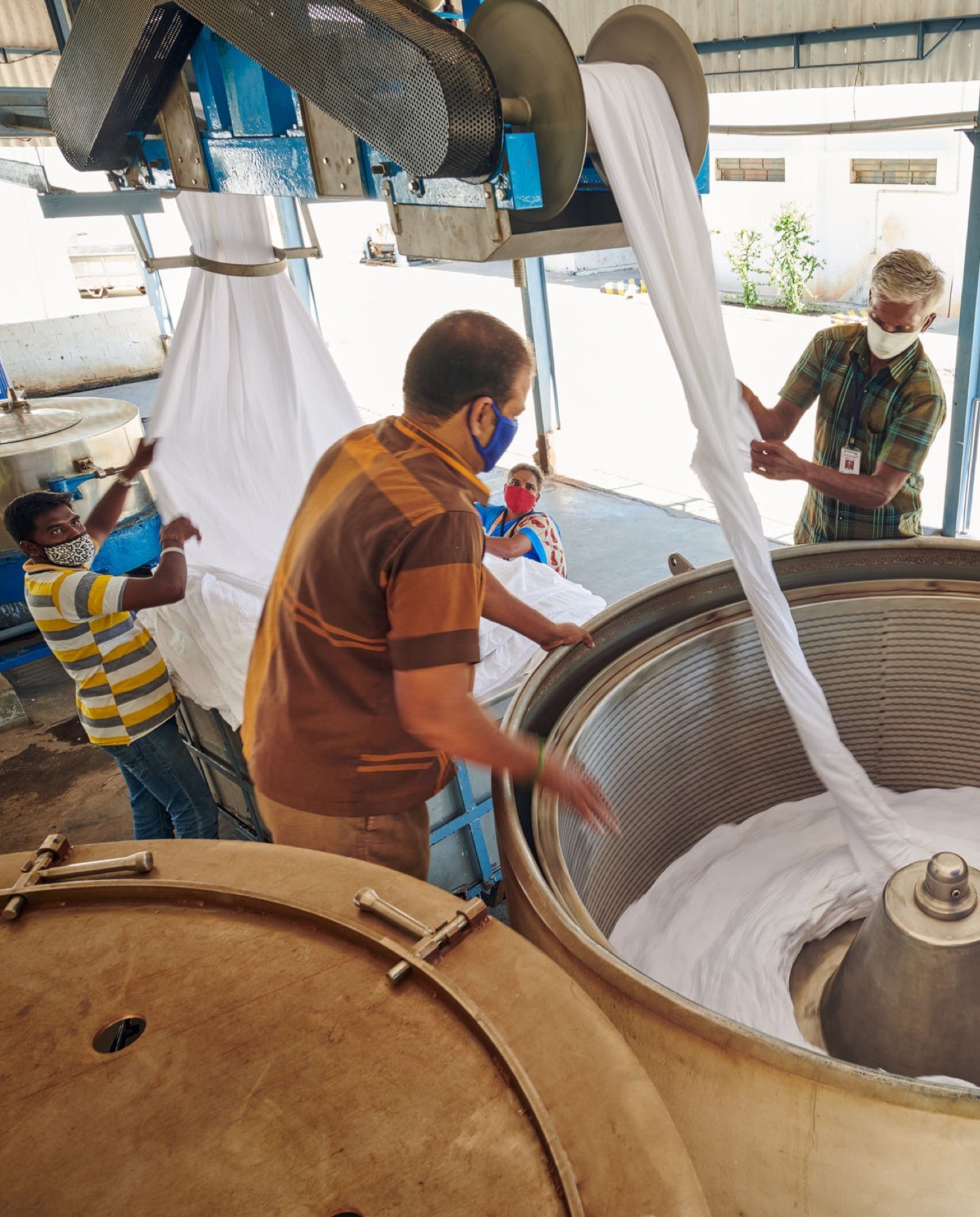
After weaving, the fabric is washed and softened before undergoing a specific process to make it more absorbent and enhance its texture.
This stage helps bring out the qualities that make each towel suited to everyday use.
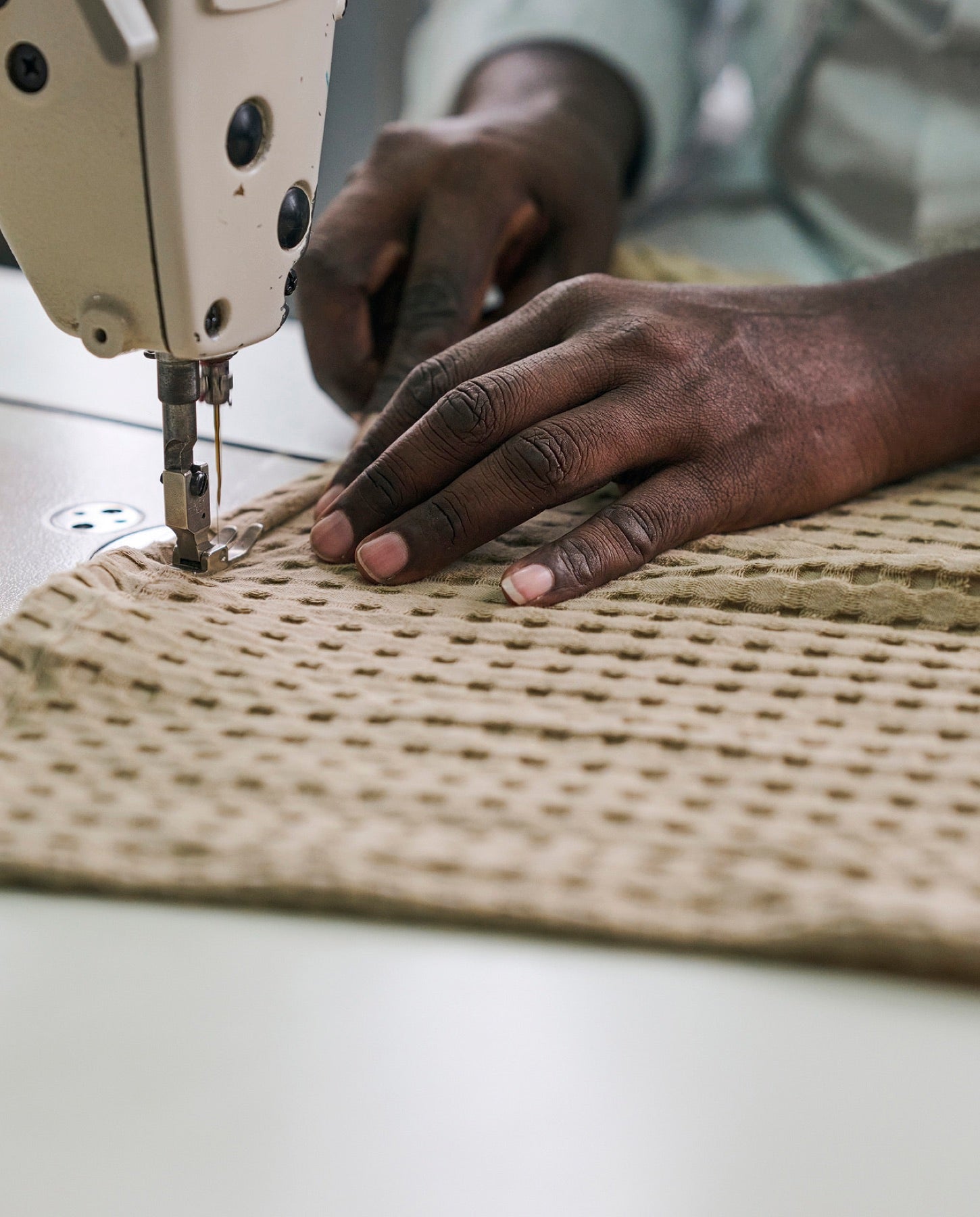
5. Cutting & Stitching
The processed fabric is then cut and stitched into individual products. Each piece is crafted to bring together the weave, texture, colour, and functionality of the finished towel.
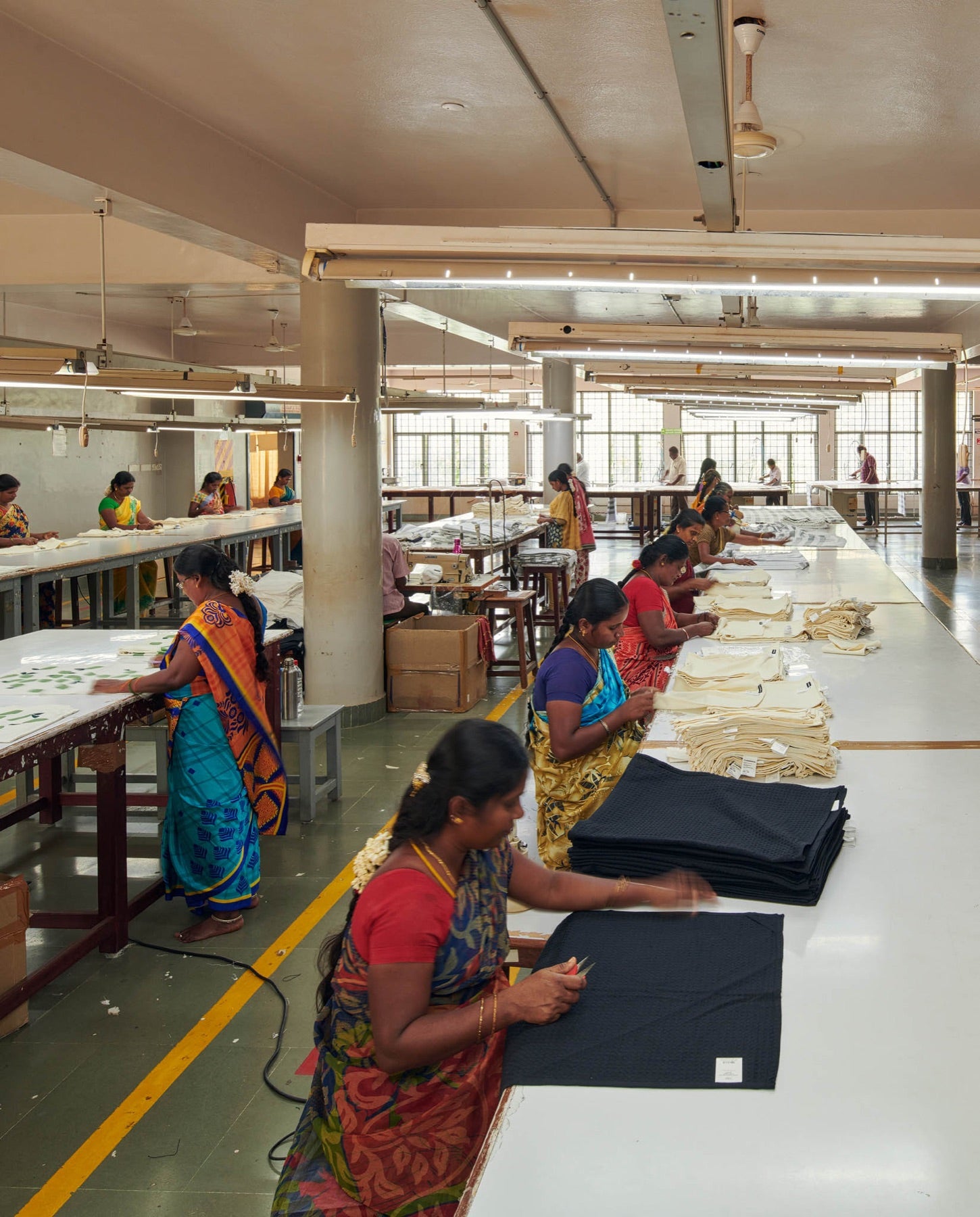
6. Checking & Quality Control
From the fabric and stitching to the finished product, multiple quality checks are carried out at every stage to ensure each product meets our standards before it enters our store.
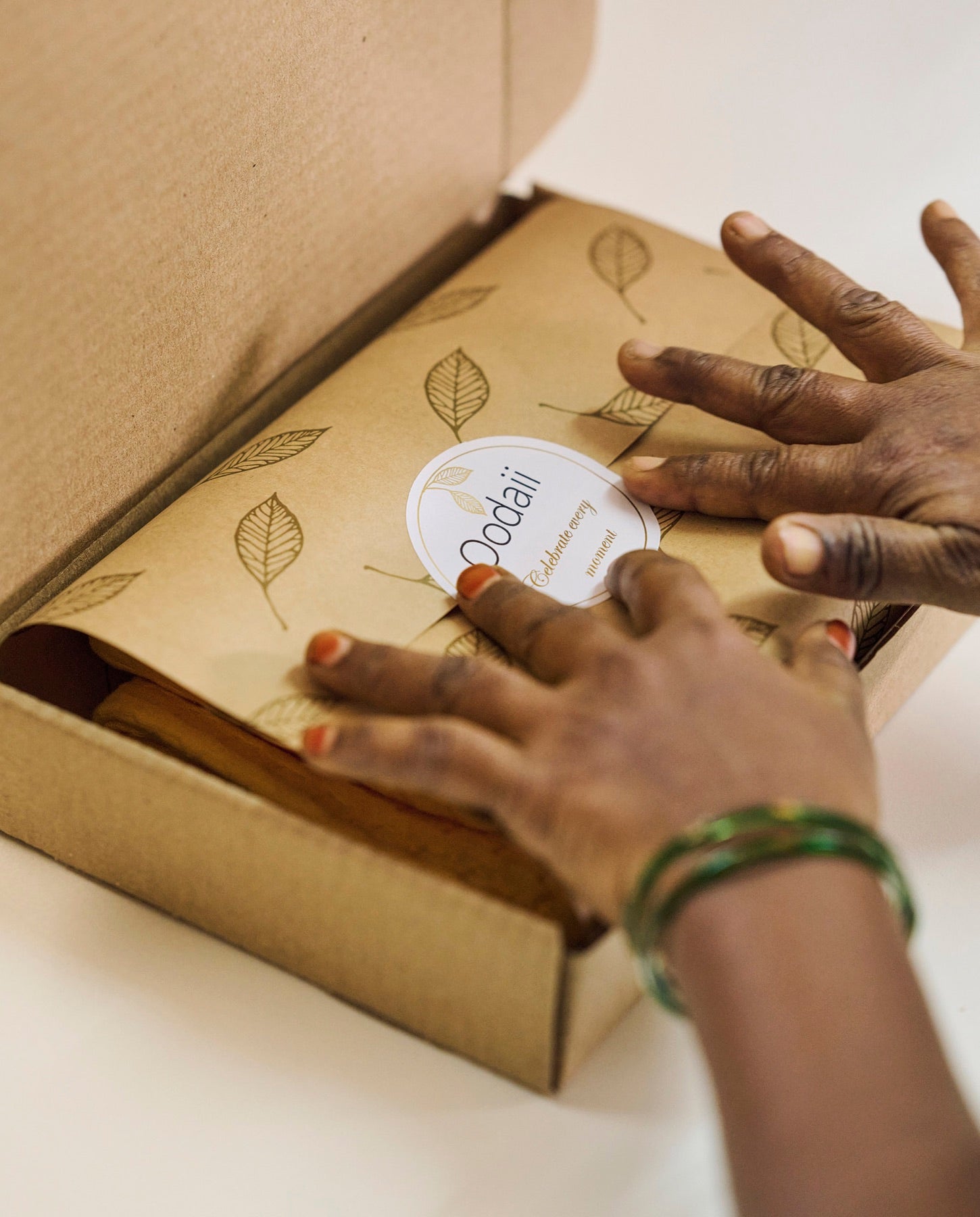
7. Packing
Once ordered, the final products are packed using FSC® Chain of Custody certified packaging material, sourced locally just 10 km from our facility. Before dispatch, each order is checked again by our team to ensure the right products are packed and the order is ready to reach you.