
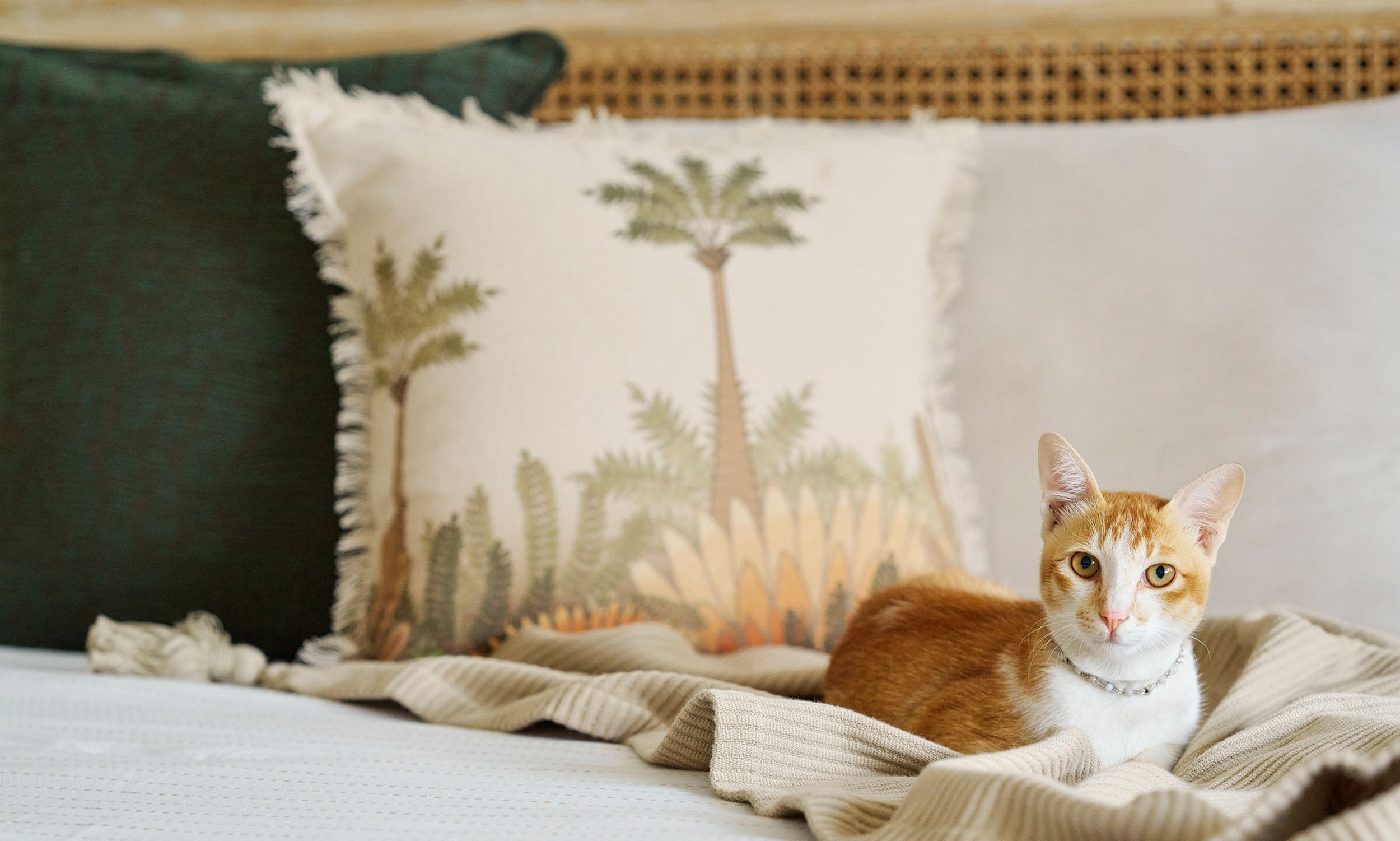
The Comfort of Familiar Disorder
Every home has a few arrangements that make sense only to the people who live there.
A chair where clothes gather through the week. A tote that stays near the door. A bedside table crowded with water, books, chargers, receipts, and small things waiting to be dealt with. A towel that returns to the same hook every day, no matter how many times the room is reset.
These details create the working map of a home. They show where the day begins, where it slows down, what needs to stay within reach, and which corners have become part of a person’s routine.
Over time, these small habits give a home its rhythm.
The Small Systems of Everyday Life

Most homes have systems that were never formally planned.
Keys go into a bowl because that is where the hand reaches first. A bag stays by the door because something inside it is needed the next morning. Clean laundry waits on a chair because it is halfway between being done and being put away. A book remains on the bed because it is still being read, even if only a few pages at a time.
These arrangements may look casual, but they often carry a kind of order. They are shaped by movement, repetition, convenience, and memory. They come from knowing how a day usually unfolds.
This is where familiar disorder begins. In the small distance between use and storage.
The Places Where Life Collects

Some parts of a home naturally gather more evidence of the day than others.
The bedside table holds the last objects touched at night and the first ones reached for in the morning. The entryway carries the movement between outside and inside: shoes, bags, umbrellas, keys, parcels, things to return, things to remember.
The bedroom chair has its own role. It becomes a temporary wardrobe, a holding place, a decision delayed. It holds what was worn, what may be worn again, what needs folding, what belongs somewhere else but has stopped here for now.
These places are rarely still. They change throughout the day, then again the next morning. They hold the unfinished parts of living.
Why It Feels Comforting

There is comfort in knowing where things usually land.
The same towel on the same hook. The same blanket at the edge of the bed. The same side of the sofa claimed without discussion.
These details create familiarity through repetition. The home begins to feel known because the body knows how to move through it. You reach without thinking. You sit in the same place. You leave something where you will find it later.
This kind of order follows the logic of use. It reflects what matters during an ordinary day: ease, access, comfort, and the small relief of things being where they are expected to be.
The Beauty of the Unfinished Moment

Homes are full of moments that are in between.
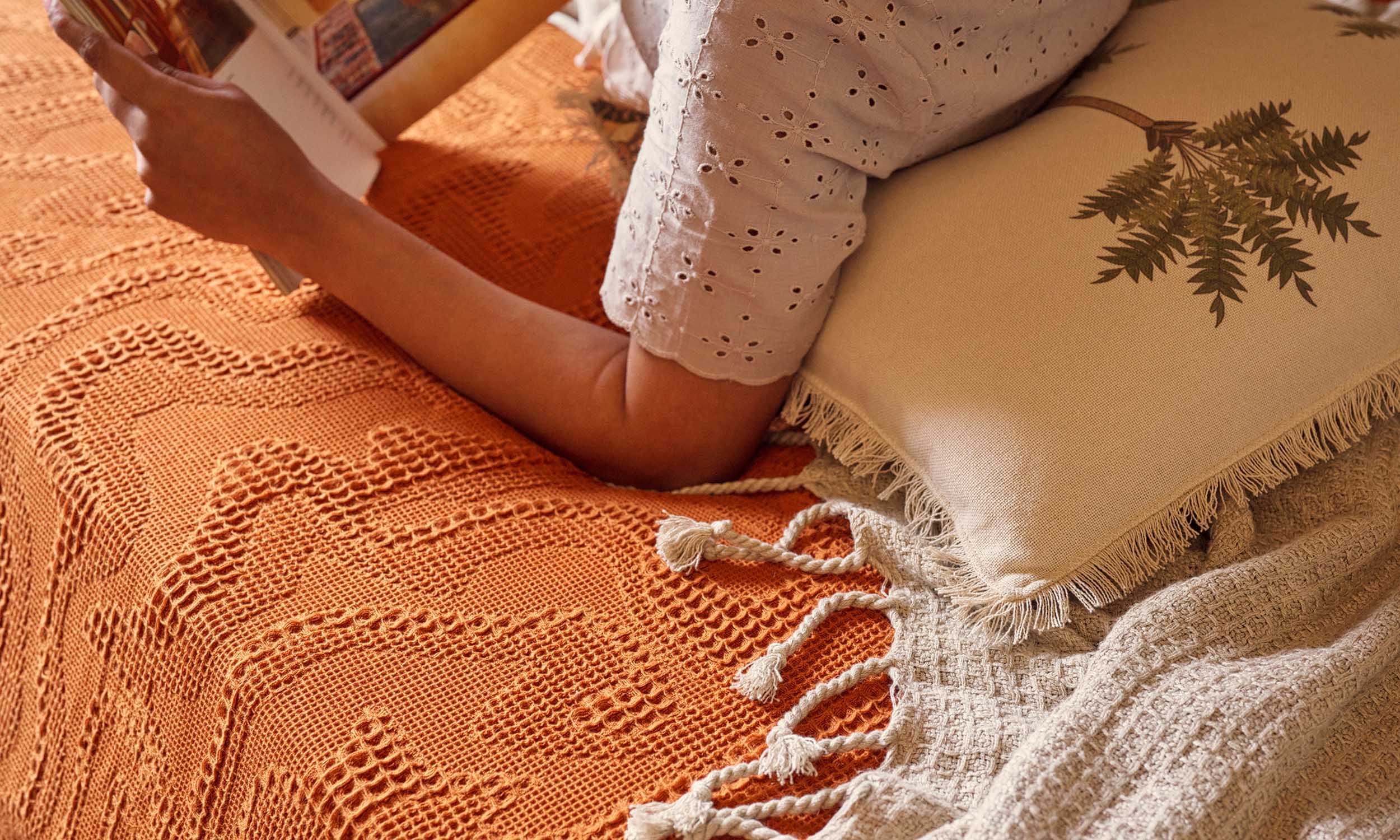
A bed half-made before the day starts. A towel is drying after a bath. A throw was pulled across a sofa and left there. A tote still holding yesterday's things. A cup waiting to be taken back to the kitchen.
These moments give a home movement. They show that the space is active, that things are being used, that the day is passing through the room.
One moment leaves a trace for another. That continuity is part of what makes a home feel alive.
Objects That Move With the Day

The things we use most are often the things that rarely stay fixed.
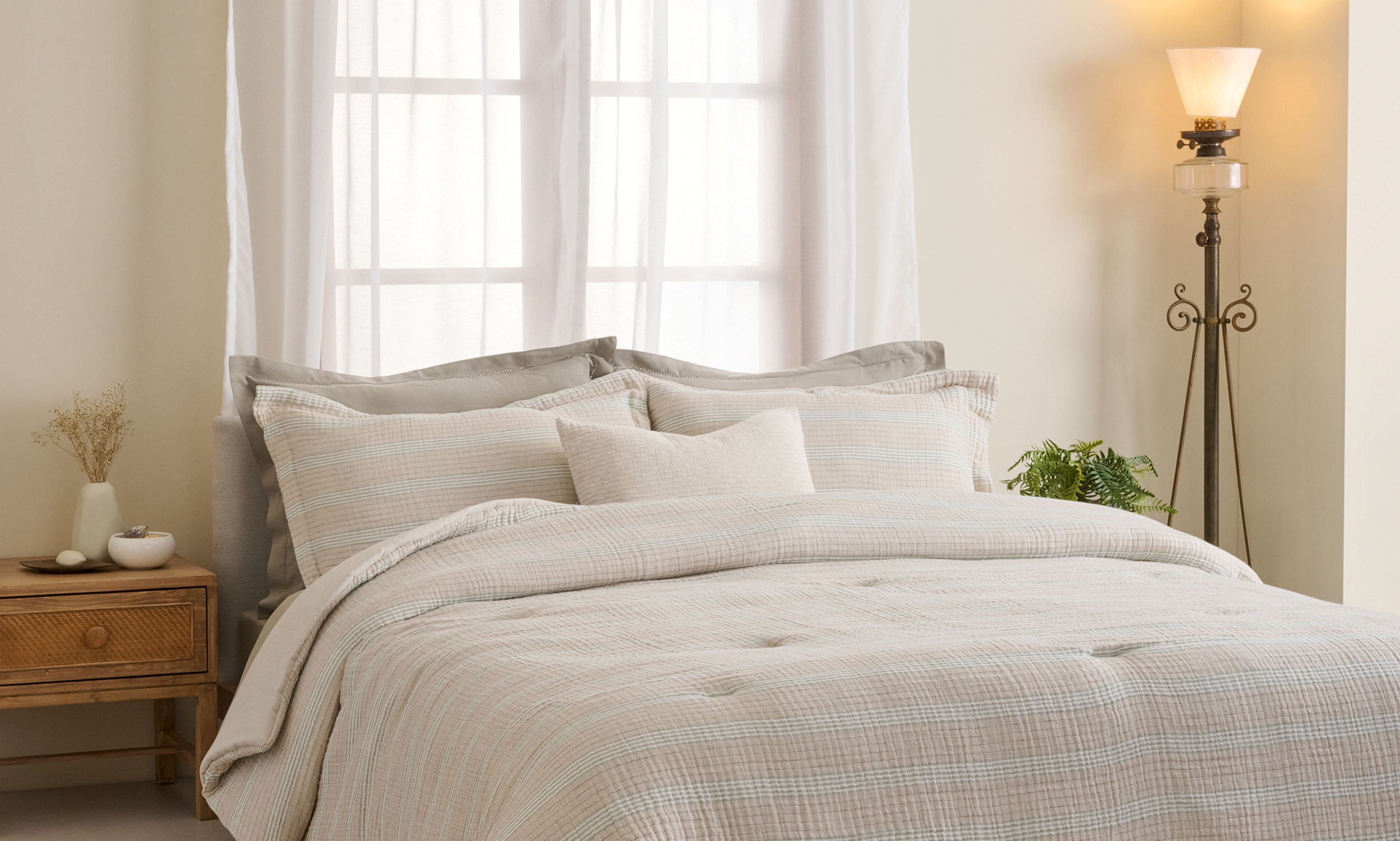
Bedding shifts through sleep, rest, reading, and daytime use. Towels move between the body, the bathroom, and the laundry. Throws travel from bed to chair to sofa. Bags leave the house and come back carrying the day with them.
Their place in the home is active. They gather, fold, wrinkle, soften, and return. Their value comes from the way they keep entering daily life.
This is especially true of everyday textiles. They are close to routine, close to the body, and close to the moments that happen between tasks.
Where Oodaii Fits In

At Oodaii, we often think about home through use. A textile has to look beautiful, but it also has to enter the everyday rhythm of the room.
A towel should be easy to reach for again and again. Bedding should feel natural through sleep, rest, and all the hours in between. A tote or pouch should move easily through the day. A robe, throw, or comforter should feel comfortable to use, fold, leave out, and return to.
The home is made through these repeated gestures. The objects that stay with us are the ones that can move through real life without feeling out of place.
The Rhythm of a Lived-In Home
A lived-in home carries small signs of the people who belong to it.
The things left out. The corners that gather daily life. The surfaces that hold unfinished tasks. The bed that is used for more than sleeping. The bag waiting for the next errand.
These details make a home feel specific. They give it humour, memory, convenience, and warmth.
Familiar disorder is the rhythm of a home being used. It is the evidence of ordinary days, repeated gestures, and objects that have found their way into daily life.
It is the comfort of a home that knows how you live.
Leave a comment
This site is protected by hCaptcha and the hCaptcha Privacy Policy and Terms of Service apply.