
Textile Blind Spots
The Parts of Fabric We Never Pay Attention To

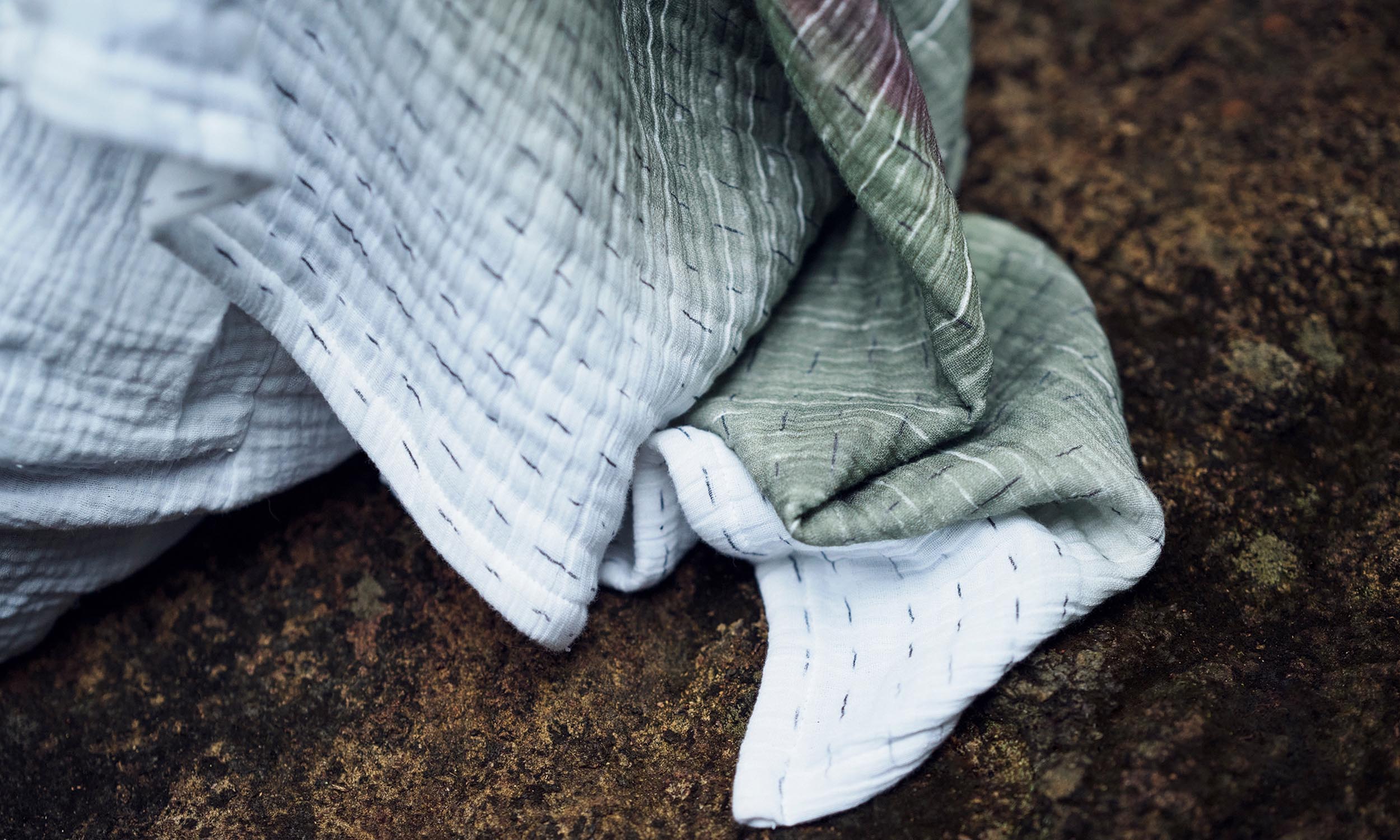
When we look at a piece of fabric, we focus on what is most visible, such as the colour, surface, pattern, and first impression. What we rarely notice are the parts that sit just outside that first glance. The edges, the reverse side, the inner structure. The places that are not meant to be seen. These are often the parts that determine how a textile actually performs.
Where Wear Really Begins

If you look at a towel or a bedsheet after months of use, the first signs of wear rarely appear in the centre. They show up at the edges. Corners begin to fray, hems start to loosen, and stitching gives way before anything else changes.
Edges take on more stress than the rest of the fabric. They are pulled, folded, twisted, and handled more often. The way an edge is finished decides how long the textile holds its shape. A well-constructed hem distributes tension and prevents small breaks from spreading. It keeps the fabric from warping over time. It is a small detail, but it carries most of the load.
The Reverse Side Tells a Different Story

Turn a fabric over, and the surface changes. Threads may not sit as cleanly. The pattern may shift slightly. The texture can feel different under the hand. This is not a flaw. It is a result of how the fabric is made.
In woven textiles, especially jacquard or structured weaves, the reverse side reveals the mechanics of construction. You can see how threads move and where they interlock. This view often says more about durability than the front does. If the reverse is loosely held, the surface will not hold up for long. If it is tight and consistent, the fabric is more likely to maintain its structure.
What Sits Between the Layers

Not all textiles are single-layer surfaces. Some rely on spacing within the weave, while others build structure through raised or layered textures. These internal details are not always visible, but they define how the fabric behaves.
In open weaves, the space between threads allows air to move. This affects how quickly something dries and how it feels against the skin. In raised weaves, the surface creates more contact points, changing how water is absorbed and how the fabric settles. What looks simple on the outside is often supported by a more considered internal structure.
Why Finishing Matters

Finishing does not draw attention, but it shapes how a textile is used. A border, a stitch, a fold at the edge. These are easy to overlook, but they determine how the product holds up.
A poorly finished edge can curl after washing. A loose stitch can open with repeated handling. A misaligned border can pull the fabric out of shape. These are gradual changes, not immediate failures, but they affect how the textile feels over time. Good finishing keeps the fabric consistent through use.
The Difference Between Looking and Using

There is a gap between how a textile looks when it is new and how it behaves after months of use. Surface details define the first impression. Construction defines everything that follows.
This is why two products that look similar at the start can age very differently. One holds its form. The other slowly distorts. One continues to perform. The other begins to fall short. The difference is rarely in what was visible at the beginning.
How This Shows Up in Oodaii

At Oodaii, these less visible aspects are built into the product. Edges are finished to handle repeated use without loosening or warping. The aim is to keep the structure intact over time.
In woven pieces, the relationship between the front and reverse is considered part of the design. The pattern is held within the weave, not added on top. In lighter weaves like gauze and waffle, spacing within the fabric is deliberate. It allows airflow, supports quicker drying, and changes how the textile sits against the skin.
These are not details that stand out at first glance. They become clear through use.
What We Don’t See Still Matters
Textiles are handled, washed, folded, and reused every day. It is easy to assume that what we see is what defines them.
But in fabric, the opposite is often true. The parts we overlook carry most of the responsibility. They decide how long something lasts, how well it works, and how it feels over time.
Once you begin to notice them, it becomes difficult to ignore what was always there.


Leave a comment
This site is protected by hCaptcha and the hCaptcha Privacy Policy and Terms of Service apply.