

Heat, Humidity, and the Future of Home Textiles
Across cities in India, summer is no longer a short season.
It stretches longer, arrives earlier, and holds its intensity well into the year. Even indoors, the shift is noticeable. Rooms take longer to cool. Surfaces hold warmth. Fabrics behave differently.
As conversations around climate grow louder, the way we think about home textiles is beginning to change.
When the Environment Sets the Terms

Heat and humidity don’t just affect how we feel. They change how materials perform.
A heavy towel that once felt substantial can now feel difficult to use.
A densely layered bed may hold more heat than it releases.
Even fabrics that worked well a few years ago can feel out of place in longer, warmer seasons.
This isn’t about preference alone. It’s about how the body interacts with fabric over time. When temperatures stay high, the need shifts toward materials that allow air to move, don’t trap heat, and are easier to handle with repeated use.
What Changes in Fabric

In warmer conditions, structure matters more than surface.
Looser weaves allow air to pass through more easily.
Lighter constructions reduce the weight of the fabric.
Surfaces that don’t hold moisture for long are easier to manage throughout the day.
These are not new ideas. They have existed in different forms across regions that have always dealt with heat. What’s changing is how widely relevant they have become.
Reading the Shift in Towels

The difference becomes clear in everyday use.
Cotton gauze, with its open structure, stays light and is easier to handle between uses.
Waffle weaves introduce space within the fabric, allowing it to feel less dense while still maintaining form.
Hammam terry balances a flatter front with a terry backing, reducing bulk while retaining function.
Each of these approaches moves away from thickness as a measure of quality. Instead, the focus shifts to how the towel behaves over multiple uses in warmer conditions.
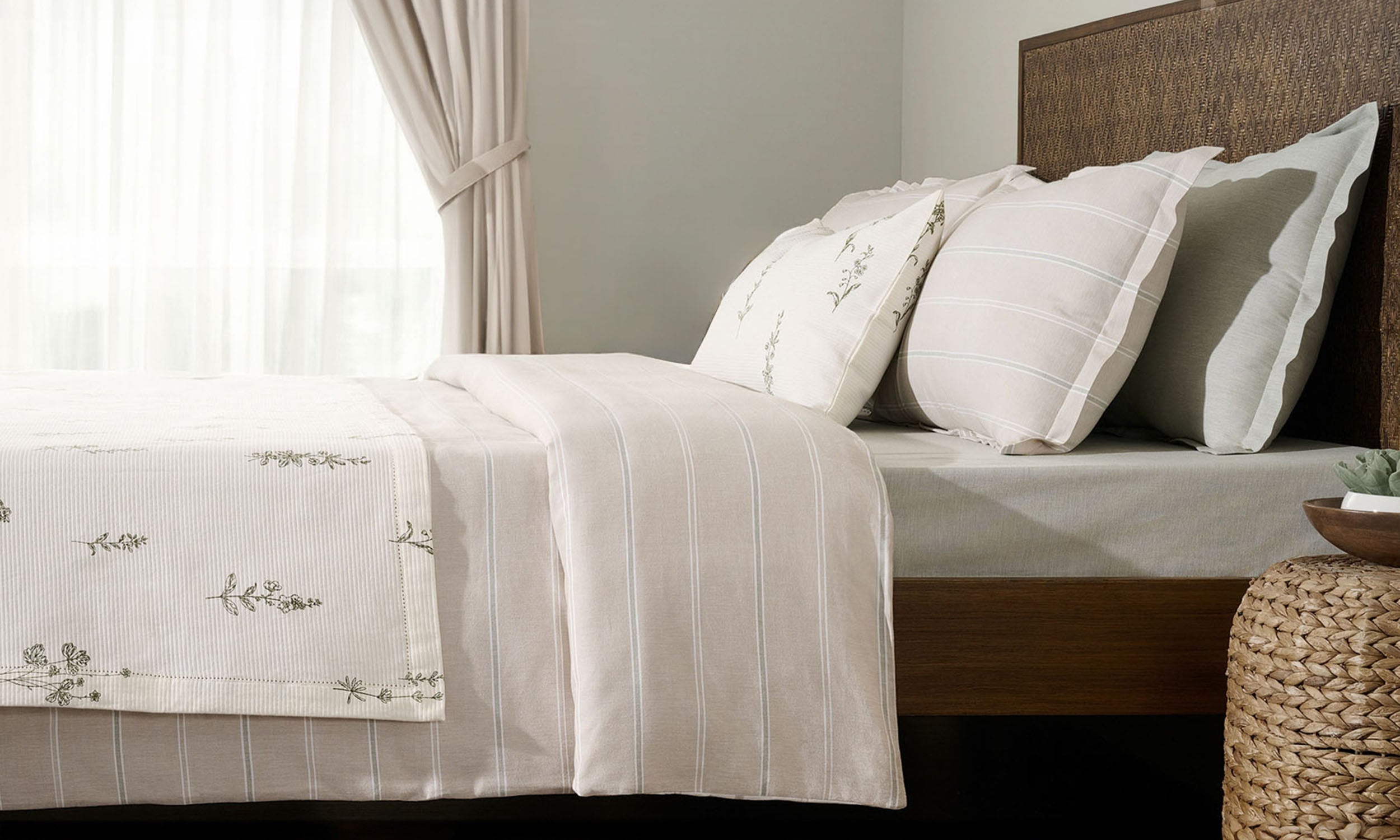
Rethinking Bedding

The same shift applies to bedding.
Layering becomes lighter.
Surfaces are chosen for how they sit against the body over time, not just how they look when arranged.
Airflow matters as much as appearance.
In this context, materials like cotton and cotton-bamboo become more relevant. Not because they are new, but because they align with what the environment now demands. They remain breathable, easier to live with in heat, and better suited to longer periods of use.
Design as Response, Not Trend

What we are seeing is not a gradual recalibration.
As summers grow more intense, textiles are being chosen differently. The shift is subtle, but consistent. From heavier to lighter. From dense to open.
Design begins to follow these patterns. Not as a statement, but as a response to conditions that are no longer temporary.
At Oodaii
At Oodaii, these changes are part of how products are developed and selected.
Cotton gauze, waffle weaves, and hammam terry are not alternatives. They are responses to how fabrics are used today. The focus remains on keeping materials breathable, manageable, and suited to repeated use in warmer conditions.
As the environment changes, expectations for textiles change with it.
And the fabric we live with has to keep up.

Leave a comment
This site is protected by hCaptcha and the hCaptcha Privacy Policy and Terms of Service apply.